
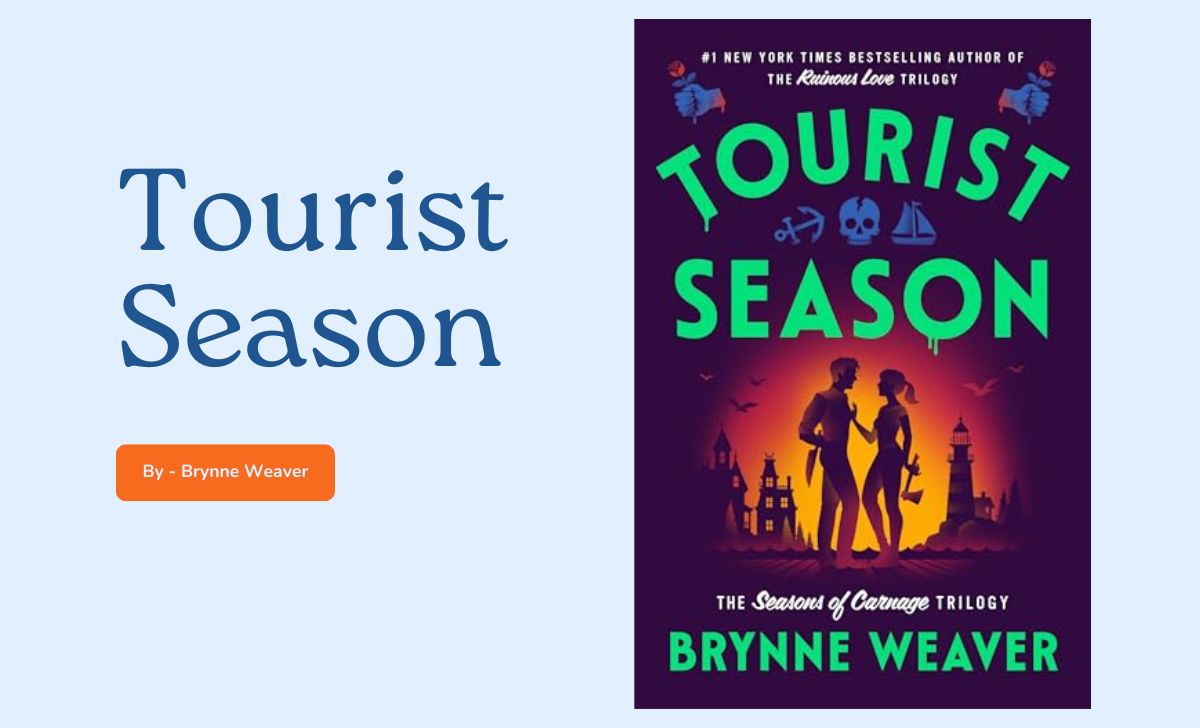
“Tourist Season” by Brynne Weaver arrives as the highly anticipated first installment in the Seasons of Carnage trilogy, offering a wicked blend of dark romantic comedy and page-turning suspense. With a reputation cemented by past successes like “Butcher & Blackbird,” Weaver’s latest novel plunges readers into the peculiar and perilous world of Cape Carnage. Exploring the tension between destruction and desire, this book stands as a testament to Weaver’s unique storytelling voice, where love sprouts from grave dirt and humor blooms in the shadows of murder.
Welcome to Cape Carnage
For those venturing into “Tourist Season,” the fictional seaside town of Cape Carnage provides an unforgettable setting. Awash in colorful houses and eccentric shops, it masquerades as a quaint vacation spot, but closer inspection reveals a chillingly high body count. With this backdrop, the novel thrives; chaos and quirkiness permeate the air, and the darkness runs as deep as the ocean tides.books/tourist-season/” target=”_blank” rel=”noreferrer noopener”>
Cape Carnage is less a mere setting and more an active force within the story. The townspeople range from the unsettlingly normal to the outrageously peculiar, peppering the plot with both charm and dread. Tourists beware: in Carnage, those who overstay their welcome could end up enriching the award-winning flowerbeds—literally.review-tourist-season-by-brynne-weaver/” target=”_blank” rel=”noreferrer noopener”>
Plot Overview and Story Elements
Harper Starling, the novel’s protagonist, is anything but an average small-town gardener. Fiercely protective of her sanctuary and her elderly, memory-fading mentor Arthur, Harper is willing to do whatever it takes to preserve her peace. This often means burying more trouble than compost in her backyard. If a few troublesome tourists disappear along the way, well, that’s simply the cost of tranquility in Carnage.books.google.com/books/about/Tourist_Season.html?id=SjZWEQAAQBAJ” target=”_blank” rel=”noreferrer noopener”>
Enter Nolan Rhodes, an outsider with his own deadly agenda. Every year, Nolan marks the anniversary of a hit-and-run accident that shattered his existence by claiming the life of another target. This year, his quest brings him to Cape Carnage and straight to Harper’s doorstep. His mission: make Harper pay for the death of his brother—a crime he is convinced she committed. But as their paths tangle, Nolan finds Harper is not the villain he expected; she’s enigmatic, fiercely loyal, and utterly unyielding.
The plot thickens with the arrival of an amateur true crime investigator on the trail of a notorious, long-lost serial killer. Forced into a wary alliance, Harper and Nolan must cooperate—each promising to keep the other’s secrets in exchange for mutual protection. Their uneasy truce soon becomes fraught with electric tension, obsession, and the stirring of something dangerously close to love.
Themes and Tropes
Weaver embraces several favorite romance tropes to enrich the narrative:
- Enemies-to-lovers: The principal romance simmers with animosity and unresolved grudges before gradually morphing into a scorching partnership.
- Forced proximity: Harper and Nolan’s mutual survival depends on cooperation, pushing their boundaries and fueling their chemistry.
- Small-town gothic charm: The idyllic seaside setting morphs into a character in itself, balancing eeriness with endearing oddities.
- “He falls first”: Nolan’s shift from vengeance to fascination provides a magnetic undercurrent to his interactions with Harper.
- Found family and caretaking: Harper’s relationship with her mentor adds a heartfelt layer, emphasizing themes of loyalty and caring for the vulnerable.
These tropes are interwoven seamlessly into the storyline, creating an addictive blend of romance, intrigue, and black comedy.
Characterization
Harper emerges as a distinctive figure in the landscape of contemporary dark romance heroines. She’s sharp, sardonic, and pragmatic, managing her anxieties about her mentor’s fading memory with a stoic ruthlessness. While undeniably dangerous, her violence is always measured, grounded by a sense of loyalty to those she loves.
Nolan, in contrast, arrives in Cape Carnage with a grudge, a blade, and little regard for the lives he upends. The novel captures his inner conflict brilliantly—torn between hatred for Harper and an inexplicable attraction. As the truth about Harper’s past unravels, and as they both inch closer to admitting their secrets, Nolan’s journey becomes one of not just revenge, but redemption.
The side characters—ranging from Harper’s mentor to the so-called ‘murder bird’ Morpheus—further elevate the narrative, adding comic relief and unexpected depth. Each new figure enriches the fabric of Cape Carnage, ensuring even minor players make a lasting impression.
Writing Style and Atmosphere
Brynne Weaver’s signature blend of wit and darkness infuses every page. Her dialogue crackles with sharp banter and sly humor, offsetting the more gruesome elements and cultivating a mood that’s both chilling and hilarious. The pacing is relentless; twists and turns jolt the reader without ever feeling gratuitous. This is a book where the unexpected is to be expected, and where laughter often arrives on the heels of a gasp.
Weaver also masterfully balances spice and substance, deploying romantic and sensual scenes that never feel forced or extraneous. The connection between Harper and Nolan feels earned, evolving alongside the plot’s unspooling danger and suspense.
Emotional Impact and Takeaways
“Tourist Season” deals in tension, but also in tenderness. The relationship between Harper and her mentor, Arthur, provides a poignant counterweight to the central intrigue. The novel doesn’t shy away from exploring illness, loss, and healing, often reminding readers how bonds are forged—and sometimes broken—under pressure.
Many reviewers point to the emotional authenticity of the story, especially as the main characters begin to heal each other’s wounds. Whether it’s the depiction of Harper’s fierce protectiveness or Nolan’s gradual softening, the book succeeds in making darkness feel oddly reassuring. However, several readers also mention the gut-punch cliffhanger ending—a signature move by Weaver that ensures the story lingers long after the final page.
Critique and Reception
Reception for “Tourist Season” has been overwhelmingly positive, particularly among fans of Weaver’s previous works. Readers praise the unpredictable plot, clever banter, and blend of horror and humor. The audiobook narration, featuring a duet performance, also receives high marks for its immersive quality.
A handful of critiques center on the story’s intensity; some find the gore and violence over the top, while others feel the chemistry between the leads occasionally ebbs in favor of plot mechanics. The open ending is a source of both frustration and anticipation—a divisive but deliberate choice that sets up future installments in the trilogy.
Conclusion
“Tourist Season” by Brynne Weaver is a wild, emotionally gripping, and utterly original entry into the world of dark romantic suspense. Balancing razor-sharp wit, genuine heartache, and deliciously devious plotting, this book will appeal to fans of genre-bending fiction and anyone willing to root for murderous lovebirds in a town that’s equal parts charming and chilling. As the first book in a new series, it raises the stakes high—readers will be left clamoring for answers and more adventures in Cape Carnage.