
The Valkyries image persists not just in ancient sagas, but in modern pop culture, comics, fantasy novels, and cinema, reflecting the unending fascination with these mysterious maidens of battle. Let’s journey through the mists of time to explore who the Valkyries truly were, what role they played in Norse cosmology, and why their legend continues to inspire storytellers, artists, and dreamers even today.
The Valkyries: Divine Warriors of Valhalla
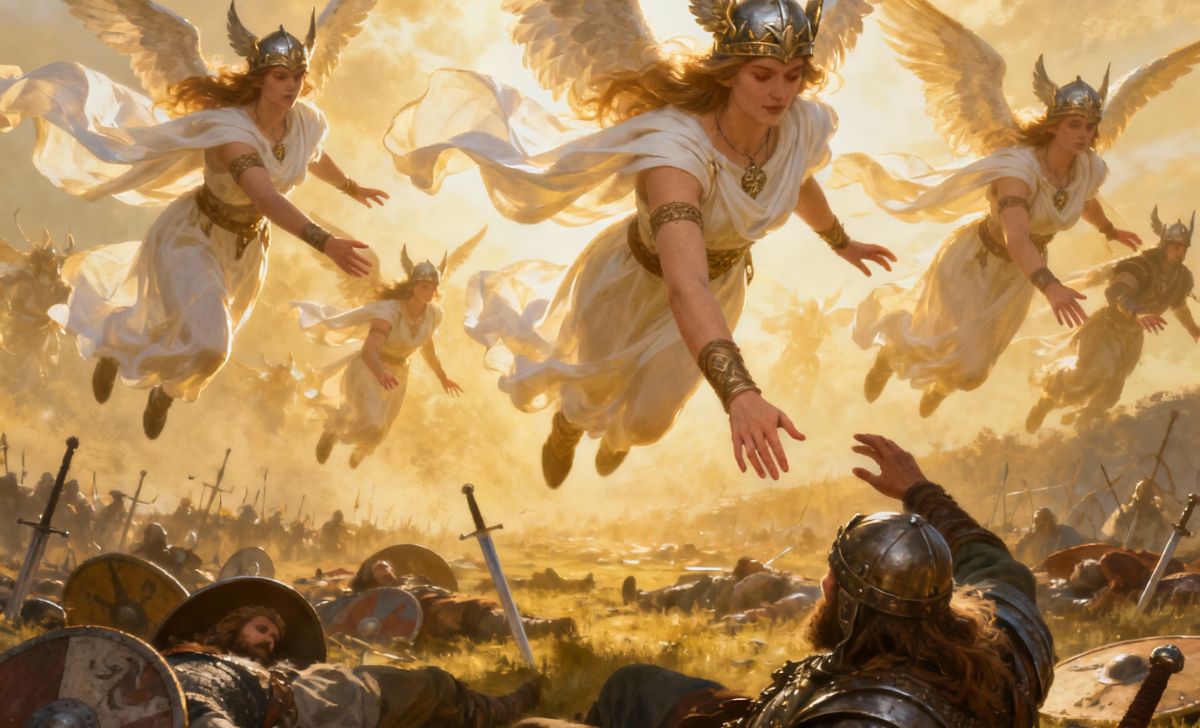
The word “Valkyrie” derives from the Old Norse “valkyrja” – meaning “chooser of the slain.” This etymology reveals their primary task: riding out onto blood-soaked battlefields to select who would die and who would live. The chosen warriors, those who displayed exceptional valor and prowess, would be honored with passage to Valhalla, Odin’s great hall, where they would feast until Ragnarok.
Far from being mere attendants to the dead, Valkyries wielded immense influence. Ancient skaldic poetry and the Prose Edda, compiled by Snorri Sturluson, paint them as feared enforcers of Odin’s will. They are not passive but decisive, sometimes intervening to sway the course of battles or even falling in love with mortal heroes. These tales reveal a more complex, nuanced role than the stereotype of the beautiful shield-maiden might suggest.
Origins and Descriptions
So, what do the old texts say about the Valkyries’ origins? While no single myth gives a definitive account, the Poetic Edda and Prose Edda both provide tantalizing glimpses. Valkyries were supernatural beings, often considered daughters of royalty or gods, and described as radiant, armored maidens. Some texts even imply they could be shape-shifters, taking the form of swans when not clad in battle gear.
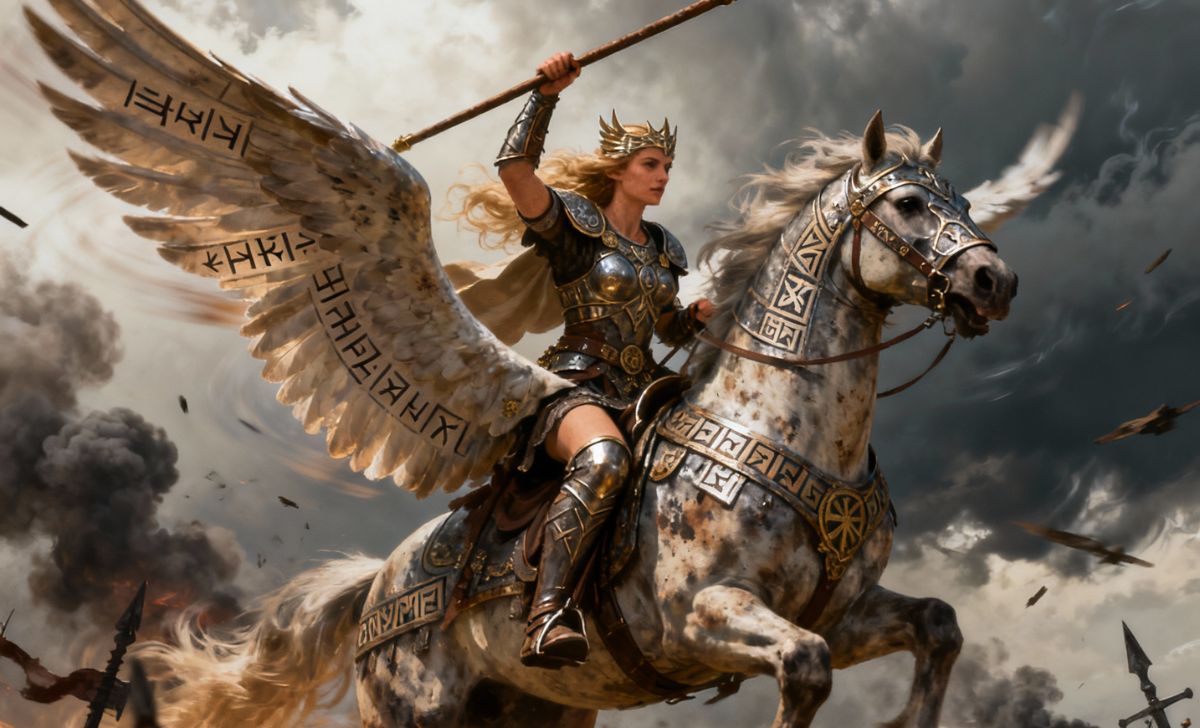
Descriptions vary, but commonly, Valkyries are depicted as strikingly beautiful, with pale skin and golden hair. They ride swift horses, don shining helms, and carry spears or swords. The shield-maiden image popularized in art and modern media certainly has roots in ancient poetry, yet the Valkyries’ true power lay less in brute force than in their supernatural ability to influence fate.
The Ride to Valhalla: Choosing the Slain
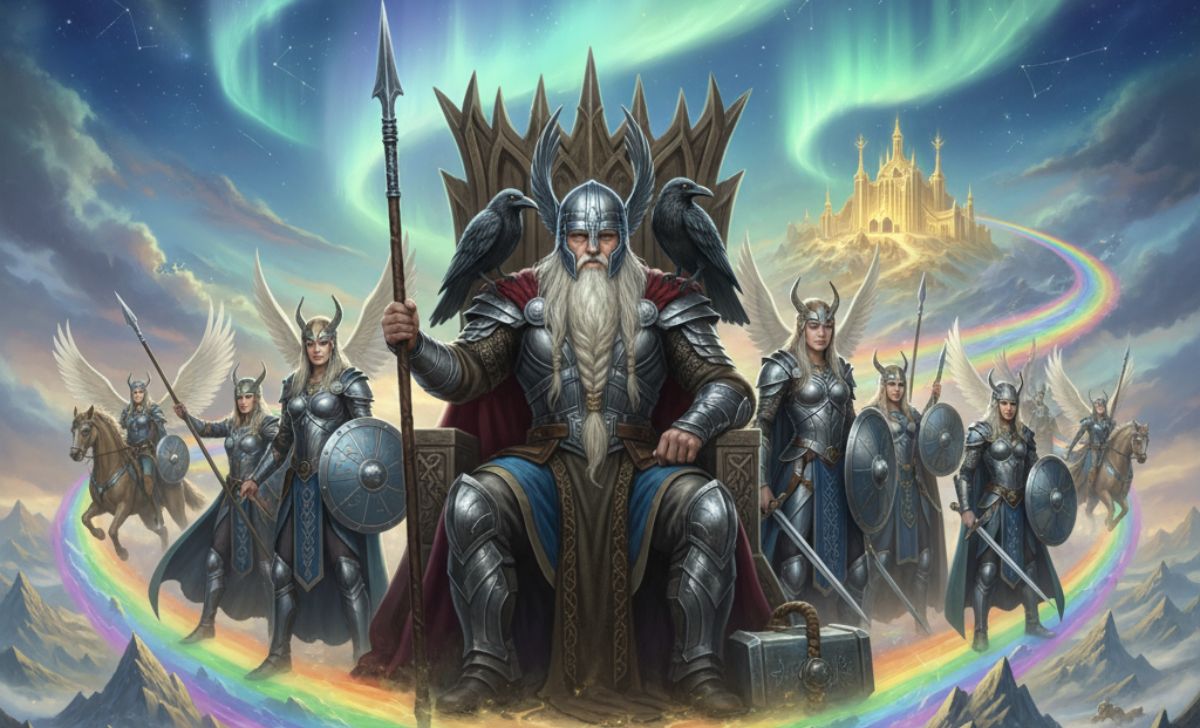
Central to the Valkyrie mythos is their role as psychopomps—guides for the souls of the dead. When a battle raged and warriors fell, it was the Valkyries who rode from Valhalla to the battlefield, marshaling the fallen toward their destinies. They picked not only those who would die, but also those chosen for the afterlife in the honored halls of Odin.
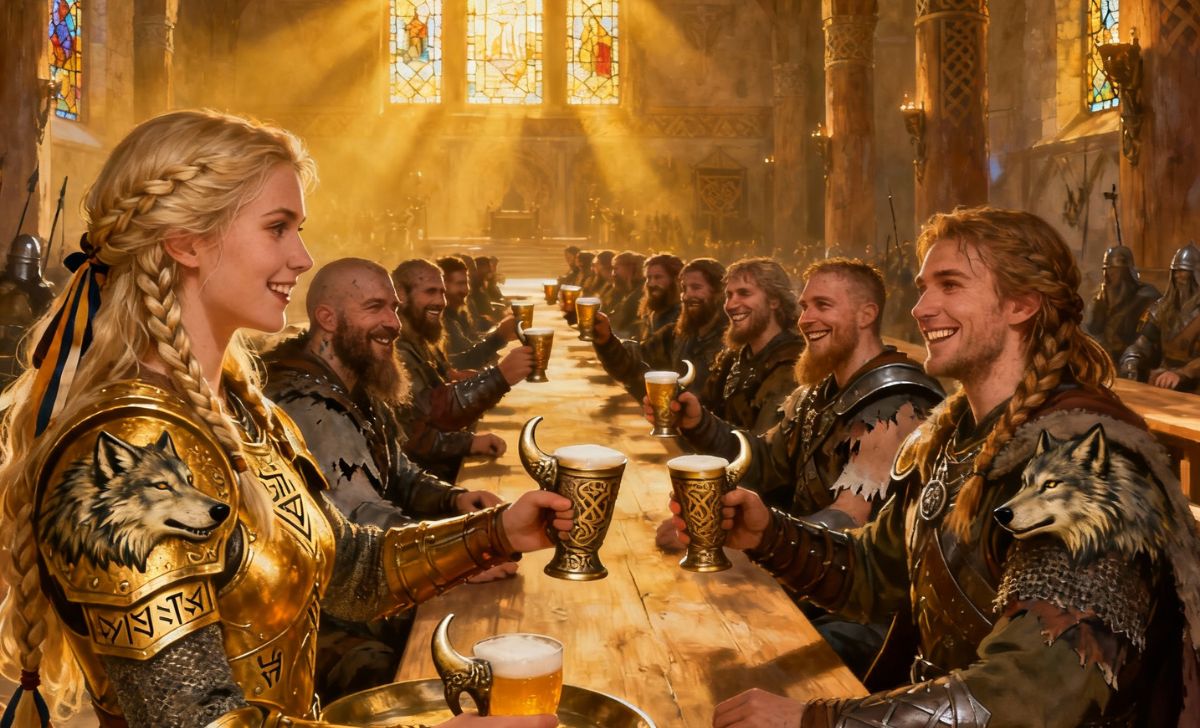
Valhalla represented the ultimate warrior’s reward. Here, the souls of the slain would train for Ragnarok, the end-of-world battle, joyously fighting and feasting each day. The Valkyries served as their protectors and companions in Valhalla, providing drink, tending wounds, and offering wisdom. This dual role—chooser and caretaker—gave Valkyries a unique place in both the mortal and immortal realms.
Symbolism and Interpretations
Valkyries symbolize far more than martial prowess. In Norse cosmology, fate held supreme power, woven by entities called the Norns. Valkyries can be seen as agents of fate, their decisions altering the tapestry of both personal destiny and cosmic events. Centuries of poets and scholars have debated: were they benevolent, malevolent, or both?
Some stories paint Valkyries as merciless, relishing their work among the dying. Others suggest compassion; they reward bravery and honor, sometimes even falling in love with mortal champions. Helgi the Hero and Sigrún, for example, star in a tragic romance that hints at both the power and the pain of mingling divine and mortal lives.
The swan-maiden motif demonstrates another layer of symbolism: transformation, freedom, and liminality. Valkyries exist at the boundary between worlds, passing effortlessly from Asgard (the realm of gods) to Midgard (the land of humans) and the battlefields that serve as gateways to both.
Valkyries in Sagas, Eddic Poetry, and Later Legends
The oldest primary sources—such as the Poetic Edda, Prose Edda, and Sigrdrífumál—feature numerous named Valkyries. Brynhildr, Sigrún, Hildr, and others appear in heroic poetry, often as pivotal figures. Brynhildr, in particular, gains enduring fame as a central character in the Norse and Germanic legend “The Volsunga Saga” and later, Wagner’s “Ring Cycle.”
Valkyries are not always benevolent. The tales warn of their wrath: in the Darraðarljóð, twelve Valkyries weave a grisly tapestry of men’s entrails as they determine the fates of warriors below. Yet, these stories also highlight their vulnerability. Should a Valkyrie fall in love or disobey Odin, she faces punishment—banished from Asgard or forced into mortal life.
Historical Roots: Archaeology and Cultural Impact
Did Valkyries originate solely in myth, or did they reflect real historical practices? Female warriors appear in both archaeological records and in the contemporary imagination of Norse society. Recent discoveries of Viking graves containing female remains alongside weapons have reignited debates about shield-maidens as historical fact or fiction.
Yet, even if the Valkyries themselves never walked the earth, they shaped Norse culture in profound ways. They reinforced ideals of honor, courage, and fate, and provided hope for those who faced death in battle. For Viking Age societies, the idea of being chosen by a Valkyrie was as thrilling as it was terrifying.
Valkyries in Modern Culture
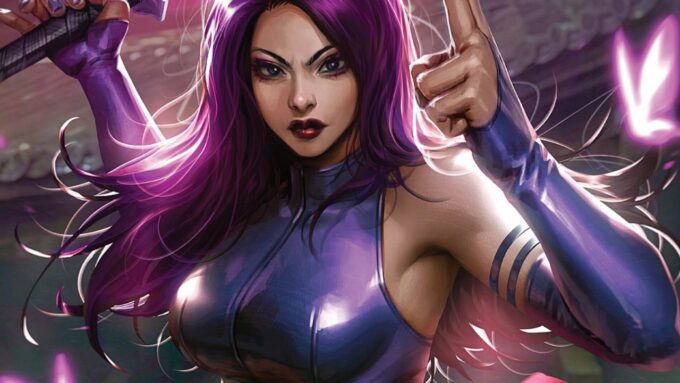
Today, Valkyries remain fixtures in literature, visual art, music, comics, and games. Richard Wagner brought them dramatically to life with “Ride of the Valkyries,” cementing their place in operatic lore. In comic books, Marvel’s Valkyrie (Brunnhilde) wields enchanted weaponry as a superhero. Video games like God of War and popular fantasy fiction revisit and reimagine the Valkyries for new generations.
The Valkyrie’s duality—both nurturing and destructive, familiar and otherworldly—makes them endlessly adaptable. Contemporary writers and artists explore their independence, agency, and moral ambiguity, connecting ancient archetypes to modern themes of gender, battle, and fate.
Key Valkyrie Figures and Their Stories
- Brynhildr: Once a proud Valkyrie, Brynhildr is punished by Odin for defiance, doomed to sleep on a mountaintop ringed by fire. Only Sigurd, the legendary hero, can awaken her. Their love story—marked by betrayal, tragedy, and vengeance—echoes across Nordic myth and epic poetry.
- Sigrún: Featured in the Helgi lays, Sigrún chooses to aid the hero Helgi, intervening on his behalf and eventually becoming his lover. Their devotion persists even beyond death, emphasizing the Valkyries’ ability to transcend the boundaries of mortality.
- Hildr: Associated with an eternal battle, Hildr embodies the neverending cycle of conflict and resolution, weaving magic that ensures warriors continually rise to fight anew.
These stories intermingle the divine with the human, revealing both the power and the limitations of the Valkyrie’s fate-bound existence.
Artistic Depictions
Valkyries have inspired artists for centuries. Medieval tapestries, paintings by Peter Nicolai Arbo and John Charles Dollman, and the fiery, helmeted figures of Wagnerian opera all leave their mark on the popular image. Even in today’s comics, video games, and films, the visual shorthand—a proud woman in armor, often astride a steed—remains immediately recognizable.
Their allure also lies in ambiguity. Are Valkyries saviors, executioners, or simply servants of a higher order? Artists continuously reinterpret their roles, juxtaposing beauty and dread, autonomy and servitude. They symbolize all the complexities of war, death, and destiny.
Valkyries as Symbols of Empowerment
In our era, the Valkyrie has become a symbol of female power and agency. Modern creators embrace their autonomy, resilience, and moral complexity. Far from being passive maidens, today’s Valkyries fight for justice, equality, and self-determination. They empower both men and women to accept destiny on their own terms—and to challenge it when needed.
For writers and myth-makers, the Valkyrie myth provides a framework for exploring themes as relevant now as a thousand years ago: courage in the face of death, the weight of choice, the responsibilities of power, and the possibility of transformation.
The Lasting Legacy of the Valkyries
Why do the Valkyries continue to captivate us?
Perhaps it’s their dual nature—the capacity for both destruction and redemption—that speaks to our deepest fears and hopes. They remind us that fate is both a gift and a burden, that courage is measured not only by might, but by wisdom, sacrifice, and the willingness to serve a greater good.
As we look to modern adaptations, from the silver screen to the comic page, the legends of the Valkyries gain new layers of meaning. Their image evolves, but their essence—divine warriors who guide souls and shape destinies—remains as stirring as ever.
So, the next time you encounter a Valkyrie, whether on the battlefield of myth, the stage of opera, or the pages of your favorite comic, remember: she is more than a symbol. She endures because she is a challenge, a blessing, and a mystery, calling all of us to question what it means to choose, to serve, and ultimately, to be chosen.