

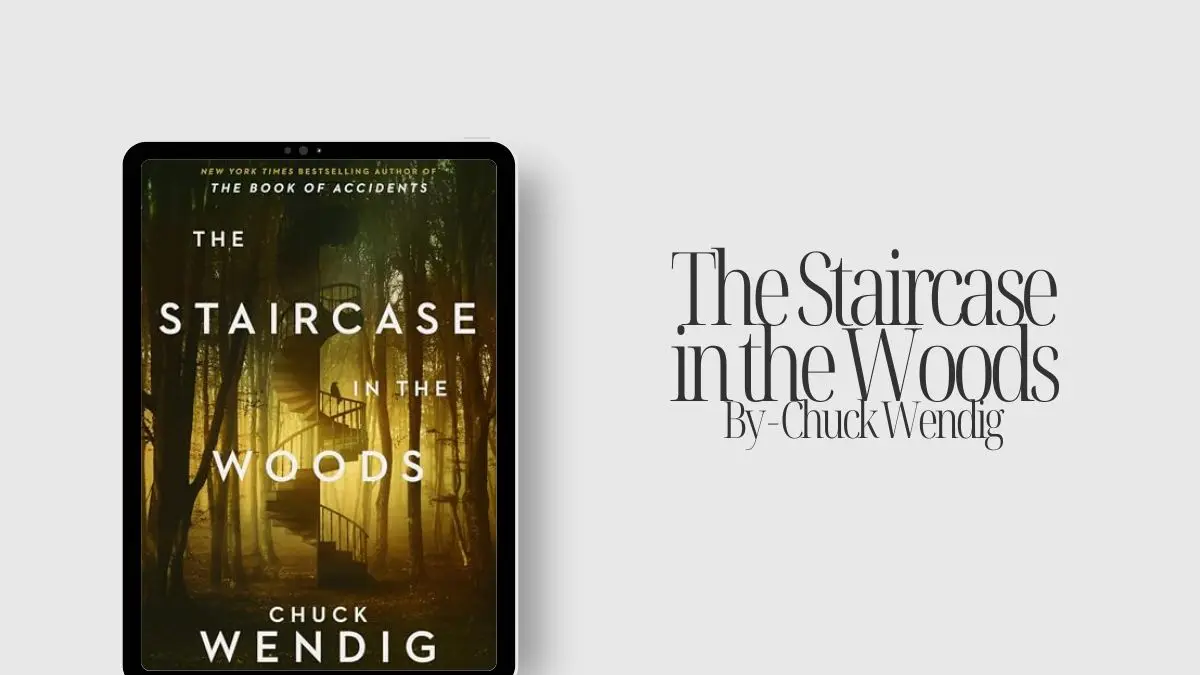
Chuck Wendig’s The Staircase in the Woods is a haunting exploration of childhood trauma, fractured friendships, and the lingering shadows of the past. Blending supernatural horror with emotional depth, Wendig crafts a narrative that is both chilling and poignant.
Plot Overview
The story centers on five friends—Matty, Owen, Lore, Hamish, and Nick—who, as teenagers, form a tight-knit group known as “The Covenant.” Their bond is tested during a camping trip when they discover a mysterious staircase in the woods. Matty climbs the staircase and vanishes without a trace, leaving the group shattered.
Twenty years later, the remaining friends are drawn back together when the staircase reappears. Nick, still obsessed with finding Matty, convinces the others to confront the past. As they ascend the staircase, they enter a nightmarish realm—a haunted house that feeds on their deepest fears and regrets. Each room forces them to relive traumatic memories, challenging their sanity and the strength of their friendship.
Themes and Analysis
The Weight of Trauma
Wendig delves deep into the psychological scars left by childhood trauma. Each character carries their own burdens:
- Owen: Struggles with OCD and anxiety, working in a bookstore as a means of coping.
- Lore: A successful game designer, haunted by guilt over past betrayals.
- Hamish: Now a family man, he grapples with the dissonance between his past and present selves.
- Nick: Obsessed with uncovering the truth about Matty, his fixation borders on self-destruction.
The haunted house serves as a metaphor for their unresolved issues, forcing them to confront the pain they’ve long suppressed.
The Fragility of Friendship
The novel examines how time and trauma can erode even the strongest bonds. The group’s reunion is fraught with tension, as old wounds resurface and trust is tested. Wendig portrays the complexities of adult friendships, highlighting how shared history can both unite and divide.
The Allure of the Unknown
The staircase itself symbolizes the human fascination with the unexplained. Its sudden appearance and the mysteries it holds captivate the characters, drawing them into a perilous journey. Wendig taps into the primal fear of the unknown, using the staircase as a gateway to a realm where reality is distorted and danger lurks in every corner.
Writing Style and Structure
Wendig employs a dual timeline narrative, alternating between the past and present. This structure allows readers to witness the evolution of the characters and the events that shaped them. The prose is vivid and immersive, with detailed descriptions that bring the eerie settings to life. However, some readers may find the pacing uneven, with certain sections dragging due to extensive exposition.
Reception and Critique
The Staircase in the Woods has garnered mixed reviews:
- Kirkus Reviews: Describes the novel as “a flawed but visceral take on shared trauma and the fragility of friendship.”
- Publishers Weekly: Criticizes the book for relying on horror clichés and underdeveloped characters, stating that it “disappoints.”
- Goodreads User – Nilufer Ozmekik: Praises the novel’s emotional depth and character development, calling it “a gripping, dark fantasy thriller.”
- Goodreads User – Gareth Is Haunted: Expresses disappointment, citing issues with pacing and character likability, rating it 2.5 out of 5 stars.
- Goodreads User – The Vampires Library: Highlights the novel’s exploration of heavy topics and its haunting imagery, comparing it to works like IT and Stranger Things.
Final Thoughts
The Staircase in the Woods is a compelling blend of horror and psychological drama. While it may not resonate with all readers, particularly those seeking a fast-paced thriller, it offers a thought-provoking exploration of trauma and the complexities of human relationships. Wendig’s narrative challenges readers to confront the darkness within and consider the enduring impact of the past on the present.author/show/17152.Chuck_Wendig”>
Also Read: Saltwater: By Katy Hays (Book Review)