

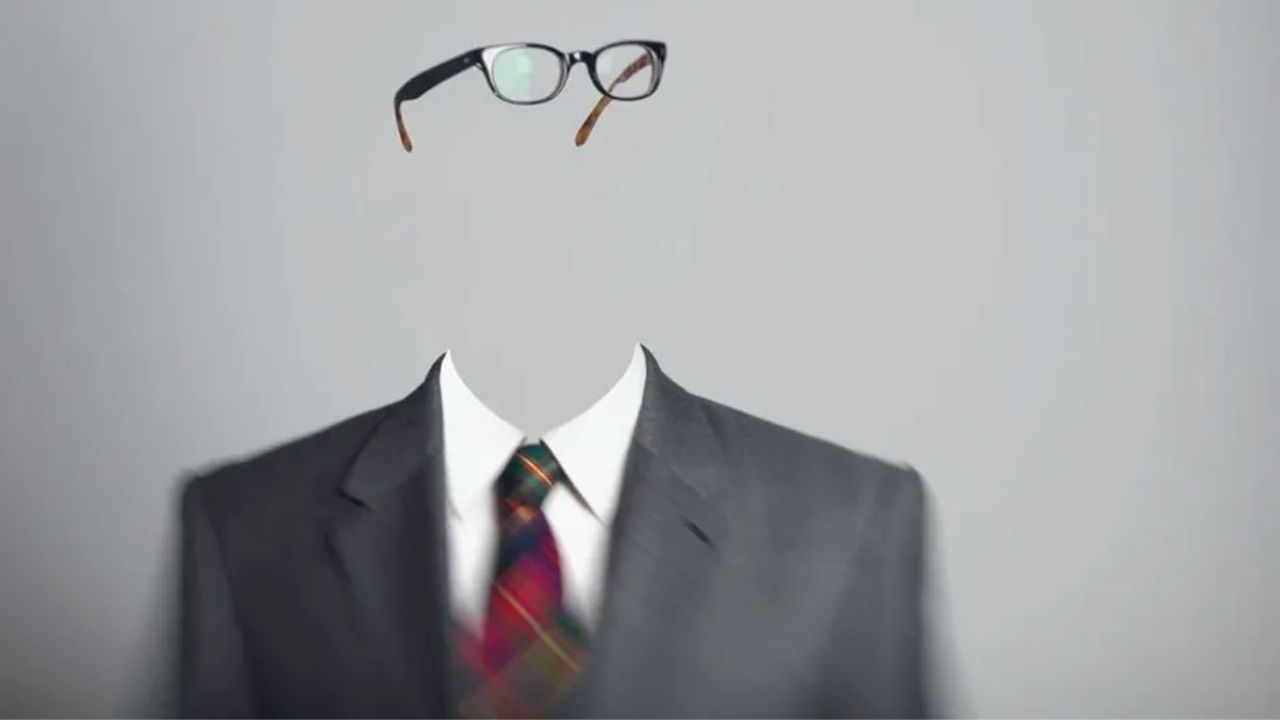
For centuries, invisibility has been the stuff of myth and fiction – from H.G. Wells’s Invisible Man to Harry Potter’s cloak. Today, cutting-edge physics and engineering are bringing pieces of that fantasy into the laboratory. Modern research seeks to bend, cancel, or mimic light and other waves so objects (even people) become effectively undetectable. Scientists speak of cloaks that warp electromagnetic fields, adaptive camouflage that mimics surroundings, and stealth coatings that hide heat or radar signatures. While a Hollywood-style invisibility cloak for humans is still far off, recent experiments show real progress: small objects hidden from view, materials that mask infrared heat, and even smart fabrics that change appearance on demand. Below we explore how these technologies work, where they are headed, and what it might mean if you could truly vanish.
Metamaterials and the Art of Bending Light
At the heart of modern invisibility research lies a class of engineered substances called metamaterials. Unlike natural materials, metamaterials are built with tiny internal structures designed to control light in unusual ways. Their goal is simple in theory and extraordinary in practice: guide light around an object so smoothly that it leaves no shadow, as if the object were not there at all.
Imagine water flowing around a stone in a river. If the water reunites perfectly on the other side, the stone becomes invisible to the flow. Metamaterial cloaks attempt the same trick with light. By carefully designing how light travels through each layer of a cloak, scientists can steer it around a hidden region of space. When the light emerges, it continues on its original path, carrying no sign that anything blocked it.
Early cloaking experiments worked only with microwaves and small objects. One of the first demonstrations used copper rings and wires to bend microwave beams around a hidden object. To the detector, it appeared as though nothing was there. Later, researchers managed partial cloaking in visible light by using special crystals that hide small objects from specific angles and colors of light.
These breakthroughs proved that invisibility is physically possible, but they also revealed serious limits. Most cloaks work only for a narrow range of light frequencies and fixed viewing angles. Move your head or change the lighting, and the illusion collapses. Creating a full-body cloak that works in natural environments remains one of the greatest challenges in modern optics.
Adaptive Camouflage: Becoming the Background
Another path to invisibility avoids bending light altogether. Instead, it focuses on imitation. Adaptive camouflage works by continuously matching an object’s appearance to its surroundings, much like a digital chameleon.
Modern military research is heavily invested in this idea. Some armored vehicles are now tested with panels that act like thermal television screens. These panels can heat or cool themselves to match the surrounding environment. To an infrared camera, a tank can appear to blend into trees, roads, or even resemble another vehicle entirely.
Researchers are also developing ultra-thin “metasurfaces” made of microscopic elements that control how radar and light reflect. These surfaces can reshape an object’s signature so that sensors interpret it as part of the environment. Instead of hiding the object, they disguise it.
This approach is closer to practical use than full optical cloaking. It does not make someone truly invisible to the naked eye, but it can make them extremely difficult to detect with night-vision, thermal cameras, and radar systems.
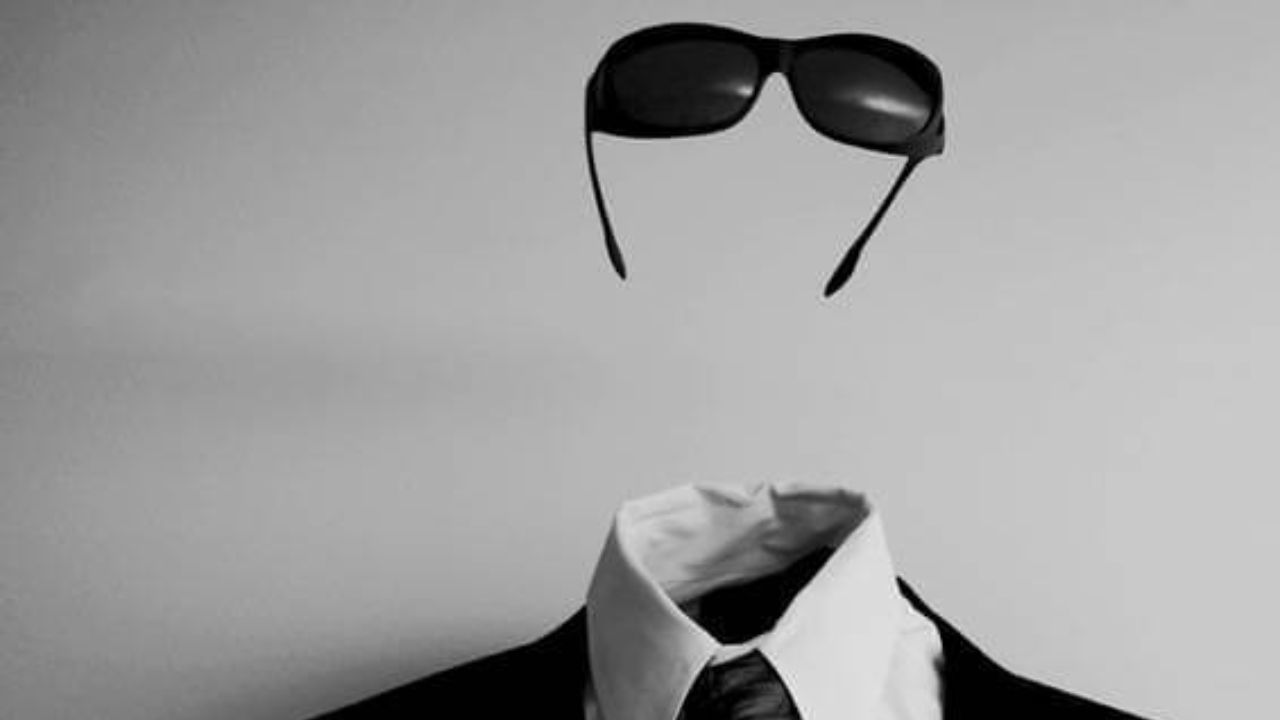
Hiding Heat: Vanishing from Thermal Cameras
One of the most impressive recent advances involves cloaking heat rather than light. Because all warm objects emit infrared radiation, thermal cameras easily detect people in darkness. Scientists have developed ultra-thin “stealth sheets” that absorb nearly all infrared radiation. When a person is covered by this material, thermal cameras struggle to see them at all.
Even more striking, some versions of these cloaks can display fake heat patterns. A person wrapped in such a sheet could appear on a thermal camera as a harmless background object instead of a human figure. This kind of technology is especially appealing for military and rescue operations, where thermal imaging plays a major role.
Graphene-based smart tiles are also being developed. These tiles can change how much heat they emit when a small electrical current is applied. Arrays of such tiles could one day be built into clothing or vehicles, allowing them to blend into any thermal background in real time.
Learning from Nature’s Masters of Disguise
Nature perfected camouflage long before humans tried to engineer it. Squid, octopuses, and chameleons can rapidly change color and texture to match their surroundings. Scientists have begun copying these biological tricks.
Squid skin contains microscopic structures that reflect light in controlled ways. By adjusting these structures, squid shift their color almost instantly. Inspired by this, researchers have created artificial “skins” made of layered materials that can change color across visible and infrared wavelengths. These smart fabrics can stretch, bend, and adapt their appearance automatically.
Such materials could lead to clothing or building surfaces that adjust to lighting conditions, improving energy efficiency or camouflage. Though still experimental, bio-inspired camouflage offers a promising path toward practical invisibility technologies.
Recent Breakthroughs That Made Headlines
In the past few years, researchers have reported remarkable developments:
- Chinese scientists demonstrated a drone skin that actively adjusts to incoming radar signals. The cloak uses sensors and artificial intelligence to reshape how radar waves bounce off the aircraft, dramatically reducing detection.
- A South Korean research team created a stretchable metamaterial cloak that continues to function even when bent or pulled. This opens the door to cloaking flexible objects, including moving robots or wearable devices.
- Flat optical devices made of nano-structured materials can now control light across the visible spectrum, hinting at future cloaks that are thinner and more practical.
Each of these advances pushes invisibility from theory toward engineering reality.
Where Invisibility Could Be Used
The most obvious applications are military. Stealth aircraft already rely on shape and coatings to reduce detection. Advanced cloaks could take this further, making vehicles and personnel nearly invisible across multiple sensing technologies.
In medicine, cloaking principles may improve imaging. Tools that do not block a scan could allow doctors to see tissues more clearly during procedures.
In everyday life, the technology may appear in subtle forms first: smart windows that regulate heat, clothing that adapts to weather, or buildings that manage energy more efficiently by controlling infrared radiation.

The Ethical Question of Vanishing
If true invisibility becomes practical, society will face difficult choices. Who controls such technology? Could it be misused for crime or surveillance? Would it erode privacy and trust?
History shows that powerful technologies rarely remain limited to one purpose. Invisibility, like encryption or artificial intelligence, would require careful oversight to prevent abuse.
Science Fiction and the Road Ahead
Stories of invisibility have shaped public imagination for generations. Today’s science does not yet match those fantasies, but it is steadily approaching them. From bending microwaves in a lab to hiding heat signatures in the field, each step brings the impossible closer to reality.
Complete human invisibility remains a distant goal. Yet the progress already made suggests that disappearing is no longer pure fantasy. It is an engineering problem—complex, expensive, and unfinished, but no longer unimaginable.
Invisibility may not arrive with a magical cloak. It will come quietly, layered in smart materials, adaptive skins, and invisible physics. One day, without drama or sparks, we may look at an empty space and wonder if someone is standing right in front of us.