

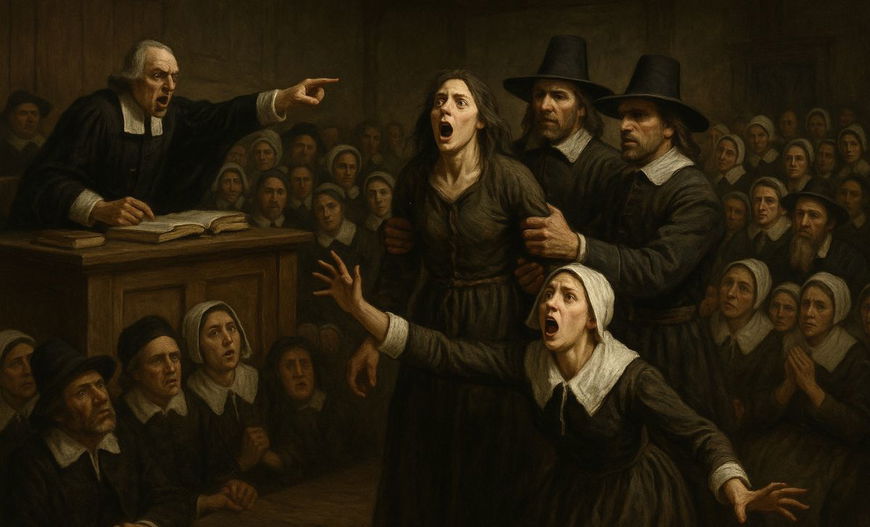
The Salem Witch Trials are one of the most infamous episodes in early American history, marked by fear, superstition, and a deeply flawed justice system. Between February 1692 and May 1693, the village of Salem, Massachusetts, witnessed a series of accusations, trials, and executions that left a permanent scar on the collective memory of the nation. This article explores the background, key events, and lasting lessons of the Salem Witch Trials through detailed examination.
Background of Salem and Its People
Settled in 1626 by Puritans—English Protestants devoted to strict religious principles—the village of Salem was a tightly knit community living under austere conditions. The Puritans upheld rigorous moral codes and a literal interpretation of the Bible, deeply fearing the presence of evil and the Devil’s influence in everyday life.
Life in Salem was harsh and fraught with external threats. Conflicts with Native American tribes and neighboring French settlers were frequent, causing tensions and unrest. In addition to these external pressures, internal strife within the village exacerbated anxieties. The community was socially isolated, and relations among villagers were often strained by suspicion, economic hardships, and religious discord.
The harsh winter of 1692, recorded as one of the coldest in years, worsened these difficulties, heightening the villagers’ collective fears and sense of vulnerability.
The Mysterious Afflictions of Betty Parris and Abigail Williams
The start of the witch trials traces back to two young cousins, Betty Parris (9 years old) and Abigail Williams (11 years old), who began displaying strange, unsettling symptoms. Their contorted bodies, fits, and claims of prickling skin baffled local physicians, who found no physical cause for their condition and diagnosed the girls as being “under an evil hand.”
Puritan beliefs permitted the idea that the Devil operated through human agents, known as witches, who were thought to harm the natural order and torment innocent people, especially children. These symptoms quickly fueled rumors that witches were behind the girls’ distress.
As the girls’ condition deteriorated, their accusations got bolder. Soon, they named three local women as witches tormenting them: Sarah Good, Sarah Osbourne, and Tituba.
The First Accusations and Arrests
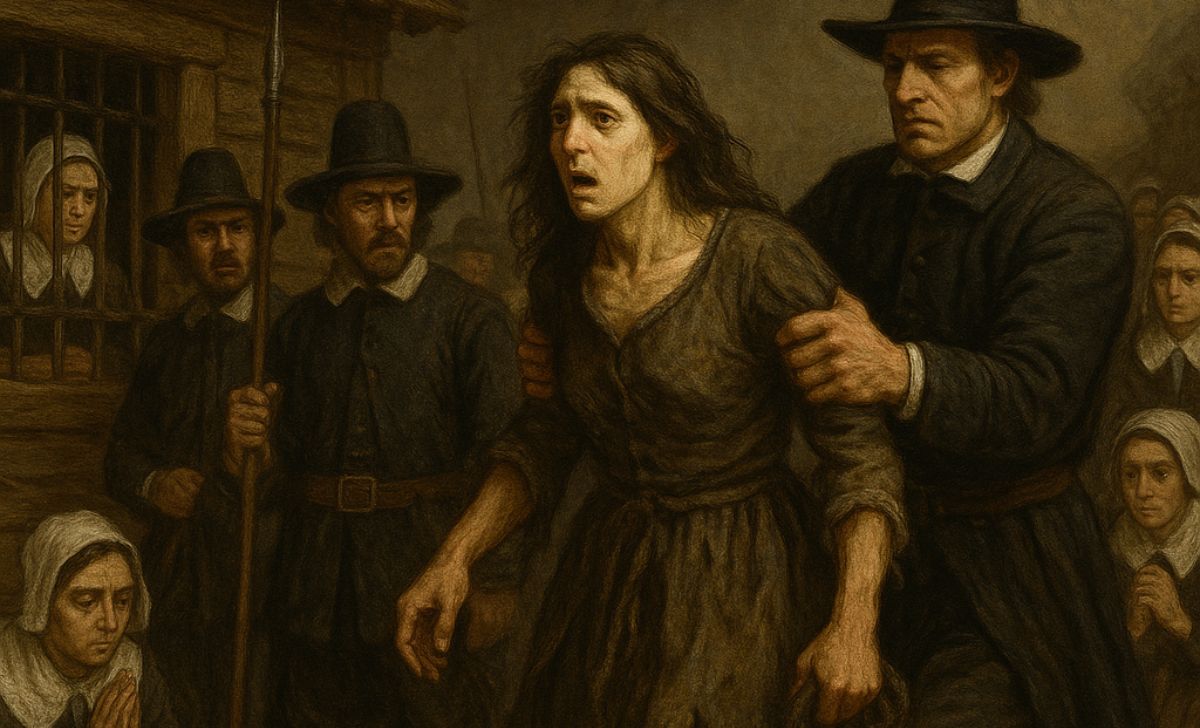
The three accused women were considered social outcasts or controversial figures in Salem. Sarah Good was a poor, pregnant woman; Sarah Osbourne had been absent from church for some time and was engaged in a lawsuit against one of her accusers’ families; and Tituba was an enslaved woman in the Parris household, known only by her first name.
On February 29th, 1692, these women were arrested. At first, Tituba denied any wrongdoing but quickly confessed to practicing witchcraft on the Devil’s orders. She also implicated Good and Osbourne as having coerced her into witchcraft.
In stark contrast, Osbourne and Good maintained their innocence. Osbourne tragically died in jail, whereas Sarah Good faced horrifying betrayal from within her family: her husband testified against her, claiming she was or would soon become a witch, and her young daughter was imprisoned and testified against her mother as well.
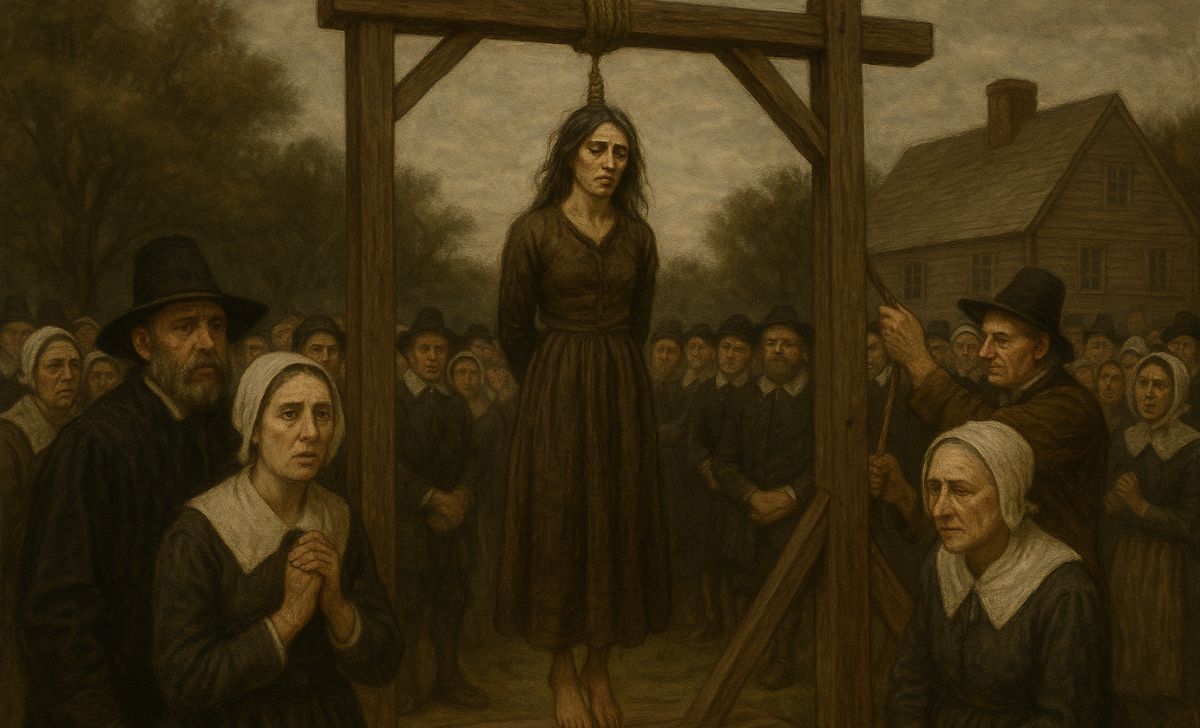
Sarah Good gave birth while incarcerated; her infant died, and she was eventually convicted and hanged. Tituba remained in custody until May 1693 when she was released.
The Escalation of Accusations and Trials
These arrests marked just the beginning. The number of accused rapidly increased as paranoia took hold. As fear grew, many people confessed falsely to witchcraft in hopes of avoiding execution, including Tituba’s example of confession under duress.
Authorities were less interested in uncovering truth and more focused on eliciting confessions, consistent with their religious doctrine that placed repentance over factual innocence. The court accepted all types of questionable evidence, such as “spectral evidence,” where accusers claimed to be tormented by invisible apparitions or ghosts, said to be sent by witches.
The trials were compromised further by conflicts of interest—many jurors were related to accusers, impairing unbiased judgment. Those who attempted to question or oppose the proceedings, including Judge Nathanial Saltonstall, found themselves under suspicion of being witches or sympathizers.
The Human Toll and Legacy
By spring 1693, the witch hunt had imprisoned over a hundred people. 14 women and 6 men were executed, many by hanging. The hysteria extended beyond Salem to neighboring communities, engulfing powerful figures as well.
The governor of Massachusetts intervened after his wife was accused, suspending the trials, halting further arrests, and freeing prisoners. The severity of miscarried justice finally drew attention and condemnation.
Speculation about the root causes of the strange symptoms has persisted over centuries. Some theories suggest hallucinogenic fungus or neurological conditions affecting the afflicted children, but none have been definitively proven.
Lessons from the Salem Witch Trials
The Salem Witch Trials serve as a stark reminder of the dangers inherent in groupthink, scapegoating, and the infectious power of fear. Adults readily accepted unfounded allegations made by children as incontrovertible truth, creating a climate where suspicion trumped reason.
Key takeaways from this tragic episode include:
- The perils of a justice system prioritizing confessions and repentance over evidence and fairness.
- The risks posed by biased trials where jurors have vested interests.
- The destructive potential of hysteria and societal paranoia.
- The importance of protecting individual rights and requiring rigorous, impartial investigations in judicial processes.
- How fear and collective delusion can distort perceptions and lead to lasting harm.
The Salem Witch Trials remain a cautionary tale, emphasizing the need for vigilance against the recurrence of such miscarriages of justice fueled by fear and prejudice.