
Netflix’s The Rip arrives with the swagger of a mid-budget studio thriller from another era — loud engines, simmering distrust, and two movie stars who look right at home playing men pushed to moral breaking points. Written and directed by Joe Carnahan, the film leans heavily into the DNA of classic crime cinema, from rain-soaked Miami streets to a pounding synth score that hums with unease. The influences are worn proudly, but the movie’s grip comes less from nostalgia and more from the pressure it steadily applies to its characters.
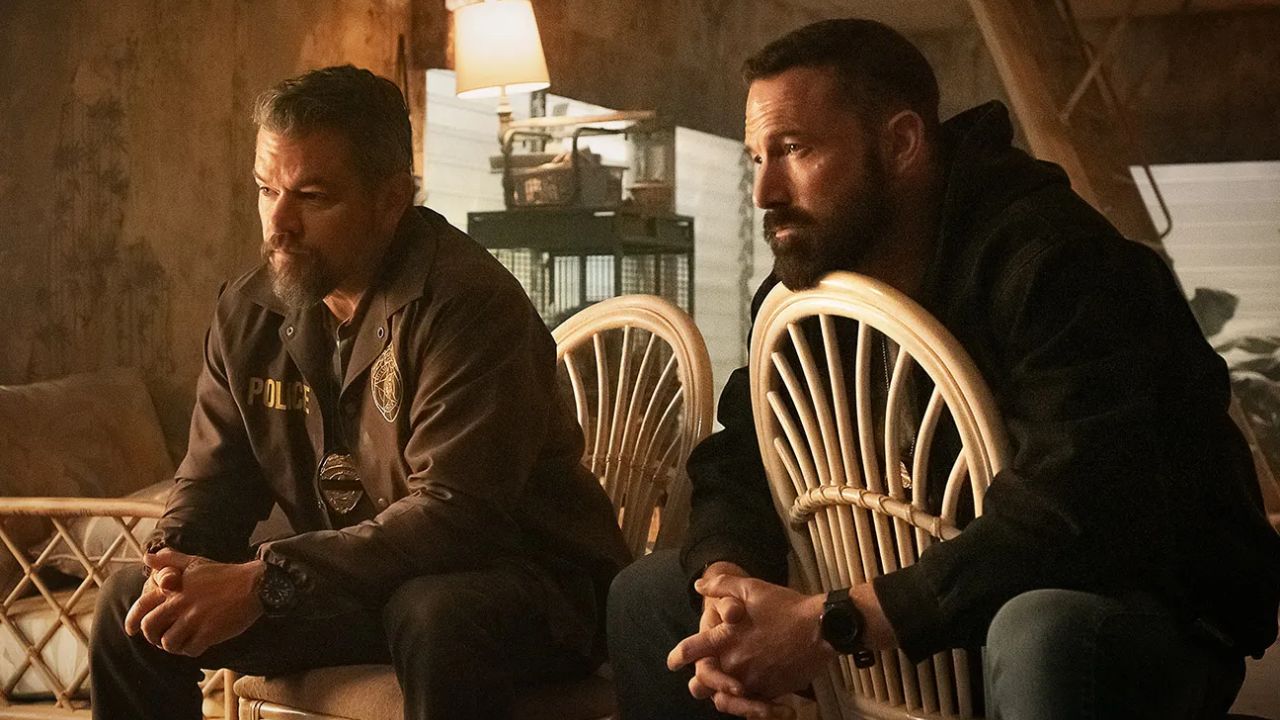
At the center are Matt Damon and Ben Affleck, lifelong friends and frequent collaborators, reunited here under their joint production banner, Artists Equity. Unlike their previous collaboration, the buoyant corporate drama Air, The Rip plunges them into darker waters, testing not just their on-screen partnership but the very idea of loyalty when money, fear, and grief enter the room.
A murder that won’t sit right
The film opens with a jolt. Miami-Dade narcotics captain Jackie Velez is racing through a stormy night, trying to save a frightened informant. She never gets the chance. Two masked men gun her down, leaving behind only a cryptic final text and a sense that something inside the department has gone badly wrong.
Her death brings Lieutenant Dane Dumars into the spotlight. Recently promoted and quietly unraveling, Dumars is still carrying the weight of a collapsed marriage and the loss of his young son to cancer. Damon plays him with restraint — calm on the surface, brittle underneath. When federal agents swoop in and the internal investigation feels oddly muted, Dane’s instincts tell him the truth is being deliberately kept small.
Affleck’s J.D. Byrne, Dumars’ longtime partner and second-in-command, is less contained. Volatile, defensive, and nursing his own secrets — including a hidden relationship with the murdered captain — J.D. bristles at any suggestion of corruption. Matters are further complicated by the presence of an aggressive FBI agent who happens to be his brother, turning professional suspicion into something uncomfortably personal.
The rip that changes everything
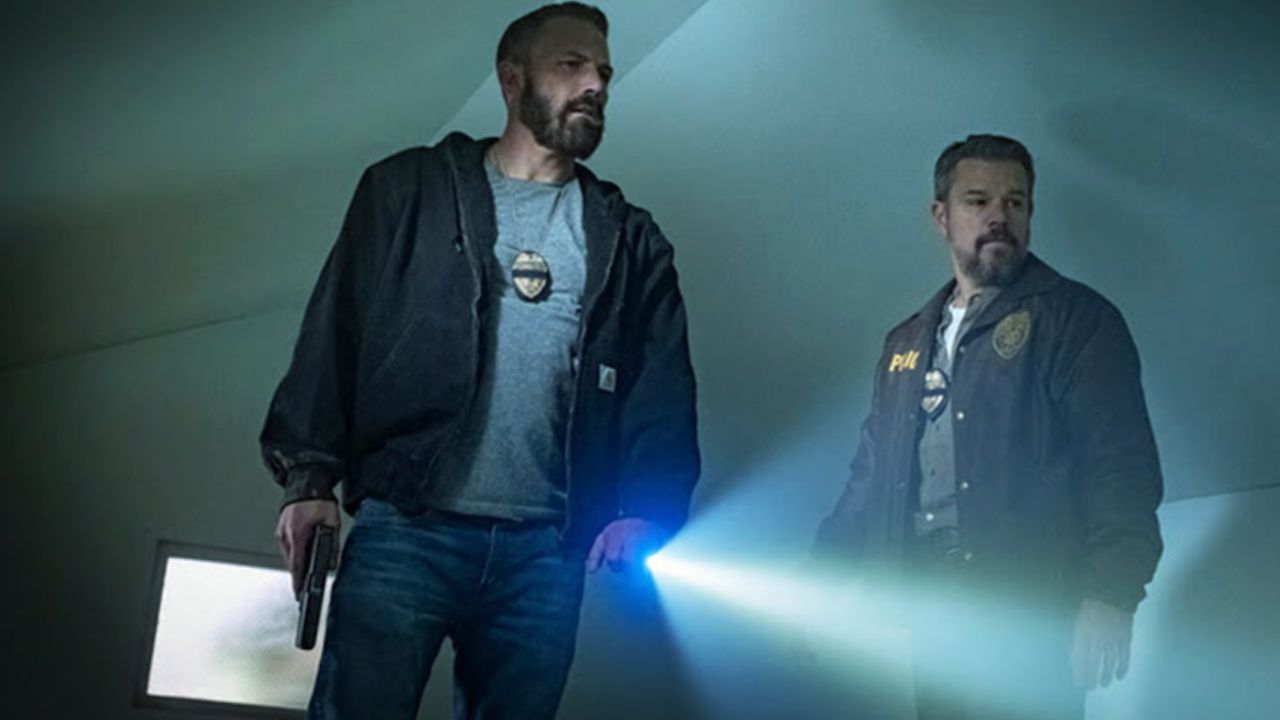
The story detonates when the tactical narcotics team follows a tip to a modest house in Hialeah. Inside, a drug-sniffing dog leads them to an attic that’s spotless to the point of absurdity. Behind a false wall sits more than $20 million in cash.
From that moment on, The Rip becomes a slow-burning pressure cooker. Miami-Dade procedure requires every dollar to be counted before the officers leave, trapping the team inside as nerves fray and loyalties begin to blur. The amount of money keeps shifting. Anonymous threats promise death within the hour. And the young woman found in the house, Desi, insists she has no idea how the cash got there — a claim that becomes harder to believe with every passing minute.
Carnahan and editor Kevin Hale fracture the timeline with interrogations and flashbacks, forcing the audience to assemble the truth piece by piece. Suspicion ricochets from one character to the next. Is someone skimming from the rip? Is the cartel already watching? Or is the real danger wearing a badge?
Inspired by reality, anchored by grief
Though the plot is fictionalized, The Rip draws inspiration from a real 2016 Miami-Dade bust that uncovered roughly $24 million in cash — the largest in the city’s history. The project itself grew out of Carnahan’s collaboration with Miami officer Chris Casiano during Bad Boys for Life. Casiano’s firsthand account of that real-life “rip” sparked the idea for the film and shaped Damon’s character in crucial ways.
The emotional core, however, goes deeper. The movie is dedicated to Jake William Casiano, Chris Casiano’s son, who died of leukemia in 2021. That loss is woven directly into Dumars’ backstory, giving his decisions at the stash house a heavy emotional undertow. The film’s final act leans into this grief, offering a rare moment of catharsis in a genre that often treats tragedy as shorthand rather than substance.
A familiar genre, elevated by craft
Visually, The Rip is all muscle and mood: neon reflections on wet asphalt, claustrophobic interiors, and bursts of violence that feel sudden rather than showy. Clinton Shorter’s score pulses beneath it all, reinforcing the sense that time is running out. Carnahan’s direction is blunt and brash, sometimes unsubtle, but confident — the work of a filmmaker comfortable in the grammar of action thrillers.
The ensemble cast adds texture, even when the script sidelines them. Steven Yeun brings an air of decency that may or may not be a feint. Teyana Taylor and Catalina Sandino Moreno inject quiet steel into roles that deserved more room to breathe. And Sasha Calle, as Desi, becomes a focal point of dread — her mounting fear doing as much as gunfire to crank up the tension.
A throwback made for the present
There’s an argument that The Rip belongs on the big screen. With a reported budget hovering near $100 million and the kind of star power studios once relied on, it feels like a relic of early-2000s theatrical crime cinema. Instead, it lands on Netflix — a sign of the current landscape, where streamers are often the only ones willing to bankroll R-rated, non-franchise action films at this scale.
That context matters. The Rip doesn’t reinvent the genre, and its mystery isn’t as labyrinthine as it sometimes pretends to be. Some performances veer toward macho posturing, and the women are too often pushed to the margins. Yet there’s something undeniably watchable about it: a sturdy, propulsive thriller powered by star chemistry, moral ambiguity, and a ticking clock.
In the end, The Rip is exactly what it sets out to be — a tense, testosterone-heavy crime story that asks how far good cops might bend before they break. It’s the kind of movie you put on at the end of a long week, let it wash over you, and carry just enough of it into the next morning to remember the weight of that cash in the attic and the cost of deciding what to do with it.