

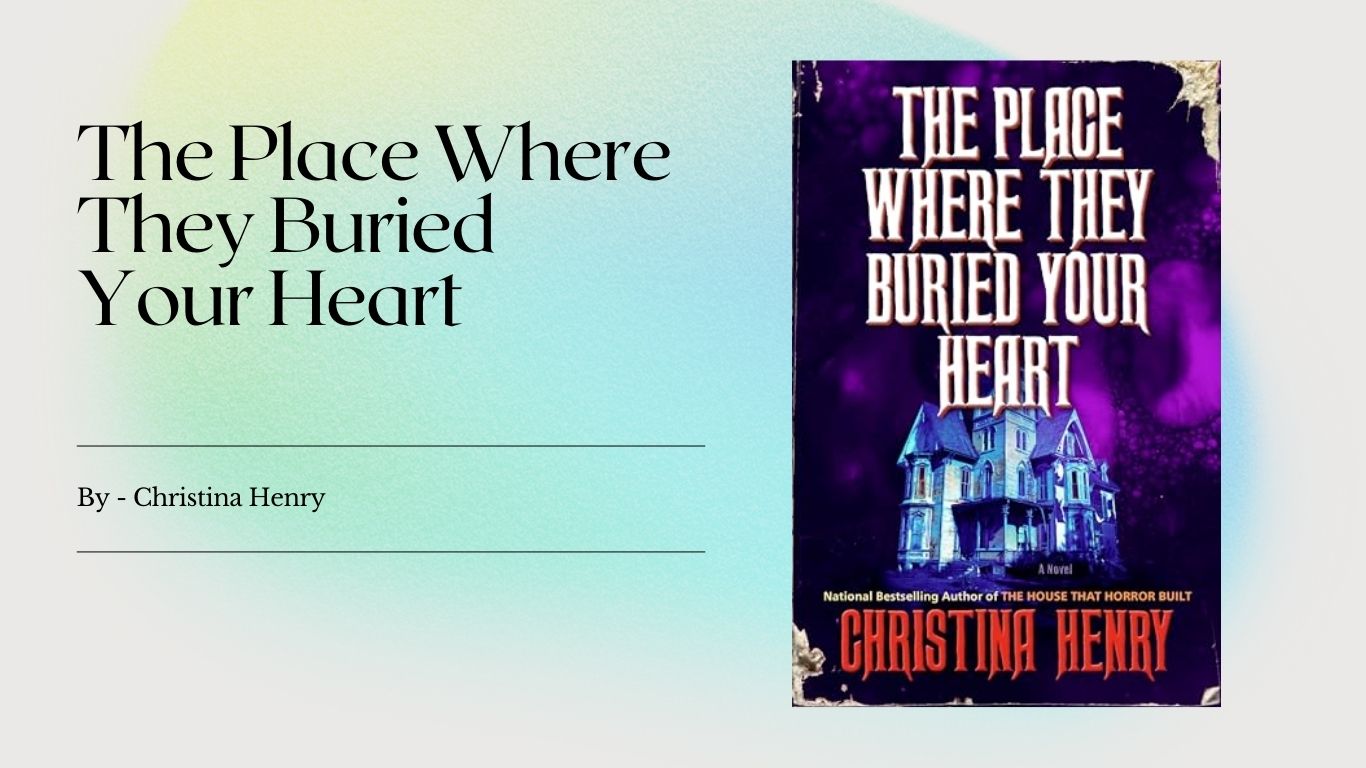
Christina Henry’s The Place Where They Buried Your Heart asks a deceptively simple question: what if the most dangerous thing in your childhood neighborhood was never truly abandoned? The novel blends slow-building horror with emotional realism, delivering a haunted-house story that is as much about grief, loyalty, and survival as it is about supernatural terror. Rather than relying solely on shocks, Henry allows fear to grow organically, rooted in memory, place, and the quiet damage families can inflict on their children. The result is a story that lingers long after the final page, unsettling not just because of what lurks in the dark, but because of how close that darkness feels to everyday life.
What the Book Is About (Plot Overview)
The story centers on Jessie, who grows up on a street defined by a single forbidden place: a decaying, empty house at the end of the block. Every neighborhood has one, but this house carries a heavier weight — whispered warnings, half-remembered tragedies, and a sense that something inside it is watching.
As a child, Jessie and her friends are drawn to the house out of boredom, bravado, and curiosity. At the same time, Jessie’s home life is unraveling. Her family is unstable, marked by neglect and emotional absence, forcing her to grow up faster than she should. The street becomes both a refuge and a battleground, populated by neighbors who sometimes step in where parents fail.
The novel moves between Jessie’s childhood and her adulthood, when she returns to confront unresolved trauma — both personal and supernatural. The house has not been empty, and whatever resides there has been feeding on pain, fear, and neglect for years. As old secrets surface, Jessie must decide how much of herself she is willing to risk to finally put an end to what the neighborhood has long tried to ignore.
Atmosphere and Tone
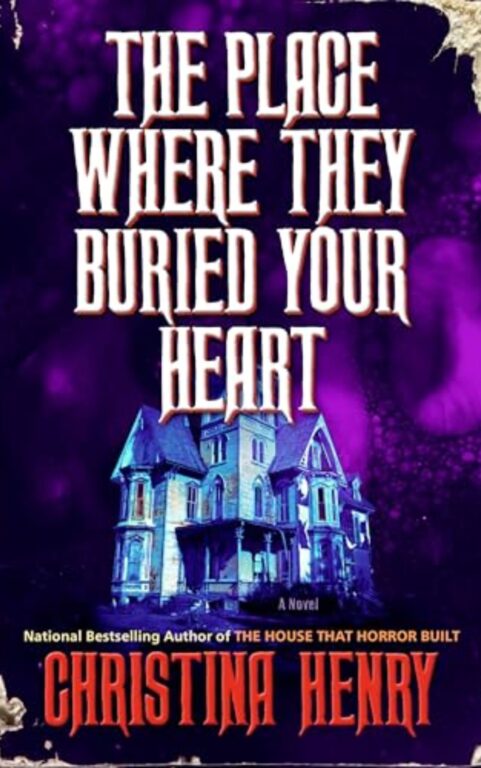
Atmosphere is the novel’s greatest strength. Christina Henry excels at transforming ordinary suburban details into sources of dread. Sidewalks, porches, and basements become charged with unease, not because they are inherently frightening, but because they are familiar.
The horror unfolds gradually. There is no rush to explain the house or its history. Instead, tension builds through repetition — the return to the same street, the same memories, the same unanswered questions. This patient approach allows the fear to feel earned rather than forced, creating a mood that is heavy, oppressive, and quietly terrifying.
Characters and Emotional Core
Jessie is the emotional anchor of the novel. She is sharp, observant, and deeply scarred by neglect, yet never written as helpless. Her resilience feels hard-won, shaped by the kindness of neighbors, the loyalty of friends, and the necessity of self-reliance.
What elevates the story is the attention given to secondary characters. Adults are not uniformly cruel or incompetent; some fail, some try, and some quietly save Jessie in small but meaningful ways. These relationships give the book its heart, ensuring that the horror never exists in a vacuum.
Because the reader becomes invested in these characters, the danger they face carries real weight. When violence occurs, it feels personal rather than sensational.
Structure and Pacing
The novel unfolds at a deliberate pace, alternating between past and present. This structure allows childhood memories to take on new meanings as the truth behind the house slowly comes into focus. While some readers may find the early sections restrained, the slow build pays off in a final act that is intense, emotionally charged, and brutal in its consequences.
Henry avoids excessive exposition, trusting the reader to connect the dots. This restraint makes the eventual revelations more impactful, even when they align with familiar haunted-house conventions.
Strengths of the Novel
- Strong sense of place: The neighborhood feels fully lived-in, enhancing the realism of the horror.
- Character-driven storytelling: Emotional investment makes the fear resonate.
- Balanced horror: Supernatural elements never overshadow the human cost of neglect and trauma.
Where the Novel May Divide Readers
- Familiar genre elements: Readers seeking radical reinvention of haunted-house tropes may find some moments predictable.
- Measured pacing: The slow escalation may not appeal to those who prefer constant action or rapid scares.
These elements are less flaws than stylistic choices, and whether they work depends largely on reader preference.
Final Thoughts
The Place Where They Buried Your Heart succeeds because it understands that true horror is rarely sudden. It accumulates over time — in broken homes, ignored warnings, and places people refuse to confront. Christina Henry crafts a story where the supernatural threat feels inseparable from emotional damage, making the novel unsettling in a way that feels intimate rather than theatrical.
This is a haunted-house story for readers who value atmosphere, character, and emotional payoff. The fear lingers not because of what happens, but because of what it reflects about childhood, memory, and the long shadows cast by neglect.