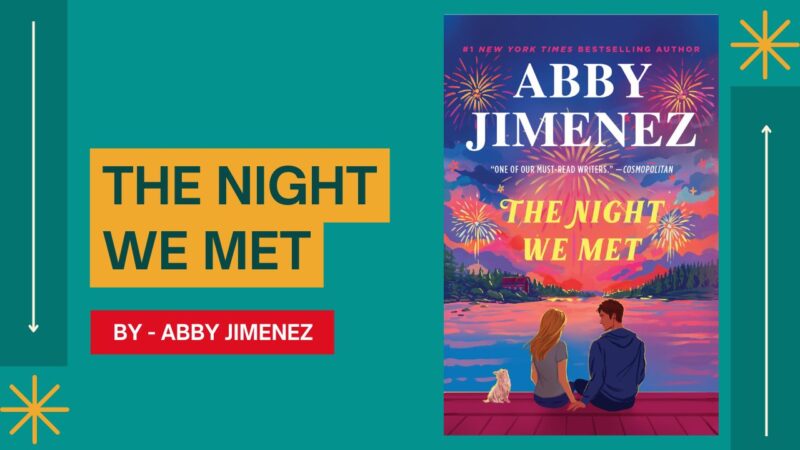

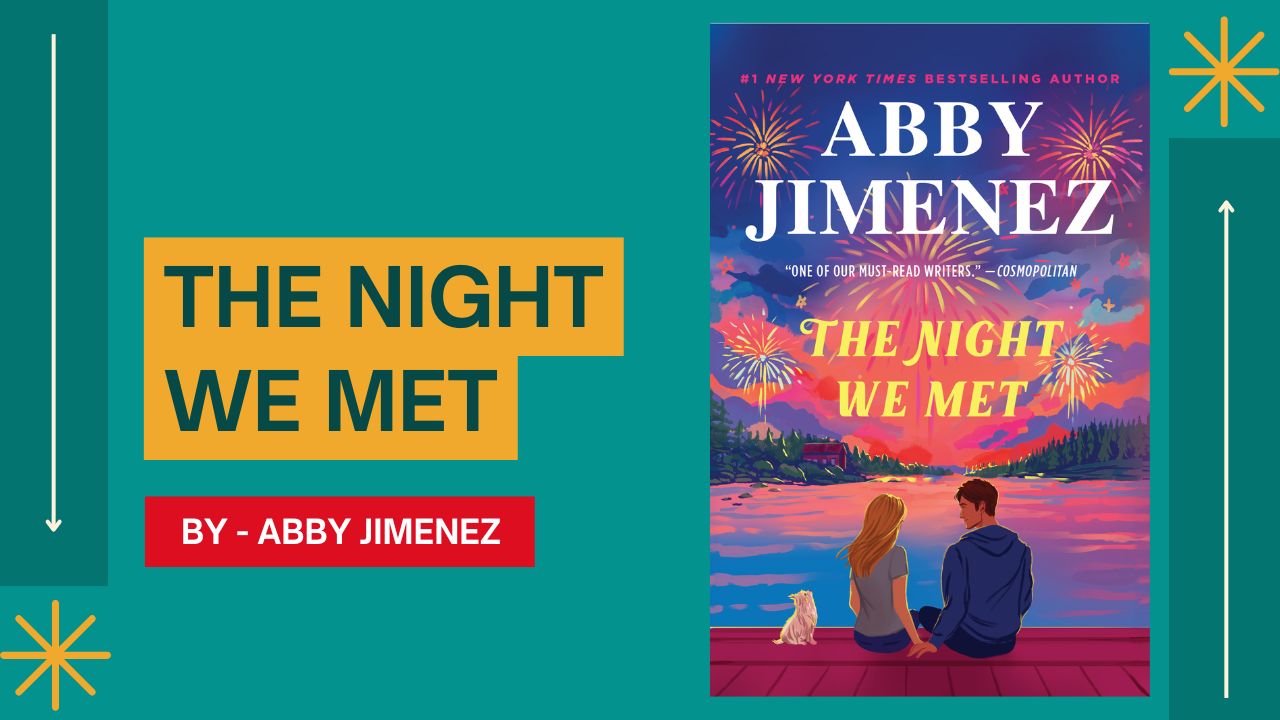
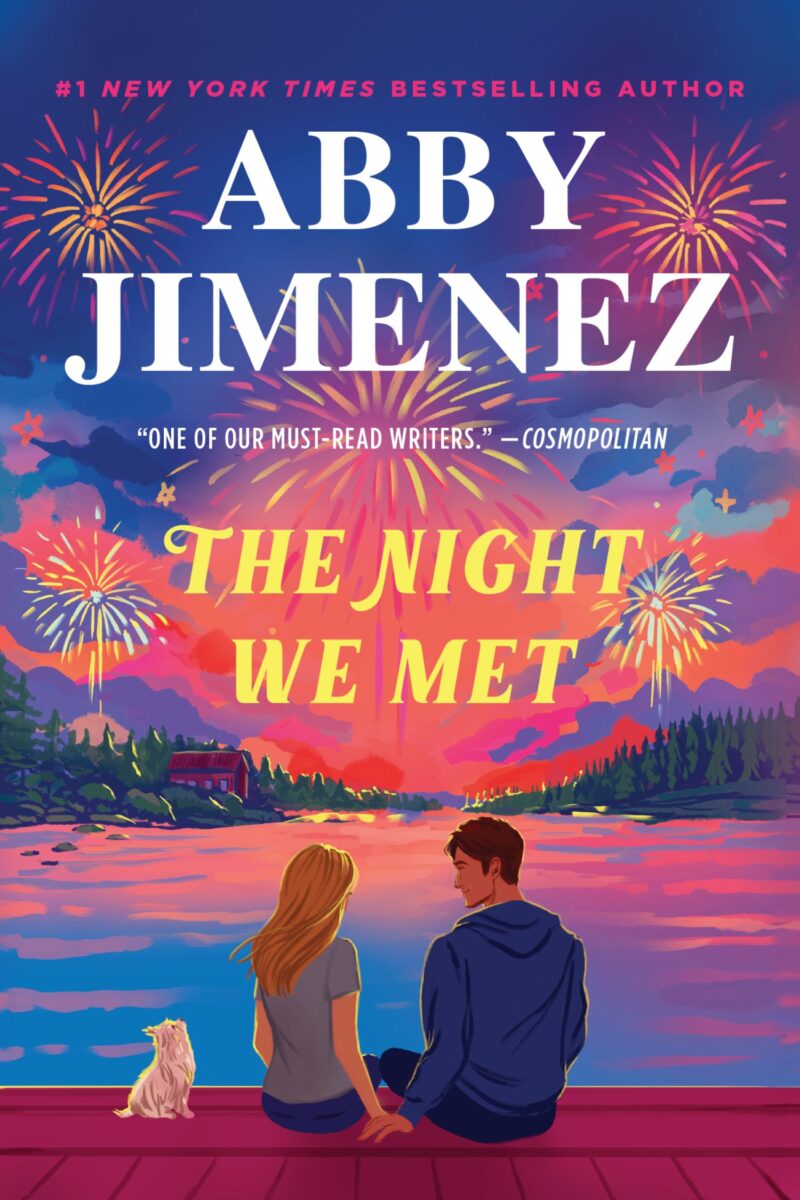
Abby Jimenez has built a reputation for writing romances that feel achingly real—stories where love isn’t just about chemistry, but about timing, sacrifice, and the quiet, complicated choices that shape a life. The Night We Met continues that tradition, delivering a slow-burn romance that is equal parts tender, frustrating, and emotionally immersive.
Overview: A Love Story Built on One Wrong Choice
At its core, the novel hinges on a single, deceptively simple moment: a ride home after a concert. Larissa chooses Mike over Chris—and that one decision alters everything that follows.
What unfolds is a story where the “right person” arrives at the wrong time. Larissa ends up dating Mike, while forming an increasingly deep bond with his best friend, Chris—the man she perhaps should have chosen that night.
It’s a premise that feels almost cruel in its simplicity, and Jimenez leans into that emotional tension with precision.
Plot Breakdown (Spoiler-Free)
Larissa is a woman juggling multiple side hustles just to stay afloat, trying to carve out stability in a life that rarely gives her a break.
Chris, on the other hand, is the quiet, dependable presence—the kind of man who doesn’t demand attention but earns it over time. After circumstances push them into each other’s orbit (including co-caring for a rescue dog), their connection deepens in ways neither can easily ignore.
The problem? She’s already with Mike—Chris’s best friend.
From there, the novel becomes a study in restraint. It’s not about whether love exists—it clearly does—but whether acting on it is worth the damage it could cause.
Character Analysis: Messy, Human, and Believable
Larissa
Larissa is not written as a flawless romantic heroine. She’s tired, financially strained, and often unsure of her own choices. That vulnerability makes her feel grounded and relatable. Her struggle isn’t just about love—it’s about survival, stability, and self-worth.
Chris
Chris is arguably the emotional core of the novel. His love is quiet, almost invisible—expressed through actions rather than declarations. He supports Larissa from the sidelines, even helping Mike become a better boyfriend for her.
This kind of selfless devotion becomes both the book’s greatest strength and its most painful element.
Mike
Mike isn’t a villain. That’s what makes the story harder. He represents a decent, well-meaning partner—just not the right one. The tension doesn’t come from toxicity, but from incompatibility.
Themes: Timing, Sacrifice, and Emotional Consequences
1. The Brutality of Timing
The novel’s central idea is simple: love isn’t enough if it arrives at the wrong time. That concept lingers throughout the story, shaping every decision the characters make.
2. Forbidden Emotional Territory
This isn’t just a love triangle—it’s a moral dilemma. The bond between Chris and Larissa feels inevitable, but also deeply wrong given the circumstances.
3. Love as Action, Not Words
Jimenez leans heavily into “acts of service” as a love language. Much of the romance unfolds through quiet gestures rather than dramatic confessions—a choice that makes the emotional payoff stronger.
4. Real-Life Struggles
Like many of Jimenez’s works, the story weaves in heavier themes—financial stress, grief, and personal hardship—adding weight to what could have been a simple romance.
Writing Style: Slow Burn Done Right
This is not a fast-paced romance. In fact, it’s intentionally slow—sometimes almost frustratingly so. But that pacing is deliberate.
The longing builds gradually. The tension stretches across chapters. And when the emotional breakthroughs finally arrive, they feel earned rather than rushed.
Critics have described it as a “compulsively readable slow-burn romance” filled with yearning and emotional depth.
What Works Exceptionally Well
- Emotional realism: The characters feel like people you might actually know.
- Tension without melodrama: The conflict is internal and moral, not exaggerated.
- Strong character development: Both leads evolve through the story.
- Authentic romance: Built on connection, not just attraction.
Readers frequently praise the “yearning” and the way the relationship unfolds through small, meaningful moments rather than grand gestures.
Where It Might Not Work for Everyone
- The love triangle trope: Some readers may find the “best friend’s girlfriend” angle uncomfortable.
- Pacing issues: The middle section can feel repetitive or drawn out.
- Emotional frustration: The constant restraint between characters can be exhausting rather than romantic for some.
Even among positive responses, there’s acknowledgment that the story’s moral tension can make it difficult to fully root for the relationship.
Final Verdict: A Romance That Hurts in the Best Way
The Night We Met isn’t designed to be easy. It’s not a breezy love story you glide through—it’s one you sit with, wrestle with, and occasionally feel frustrated by.
But that’s also what makes it memorable.
Abby Jimenez delivers a romance that understands something many stories avoid: sometimes love doesn’t arrive when it should. And when it does, it asks for sacrifices that don’t have clean answers.
Rating: 4.2 / 5
A deeply emotional, slow-burn romance that lingers long after the final page—especially for readers who believe that timing, more than love itself, is what truly defines a relationship.