

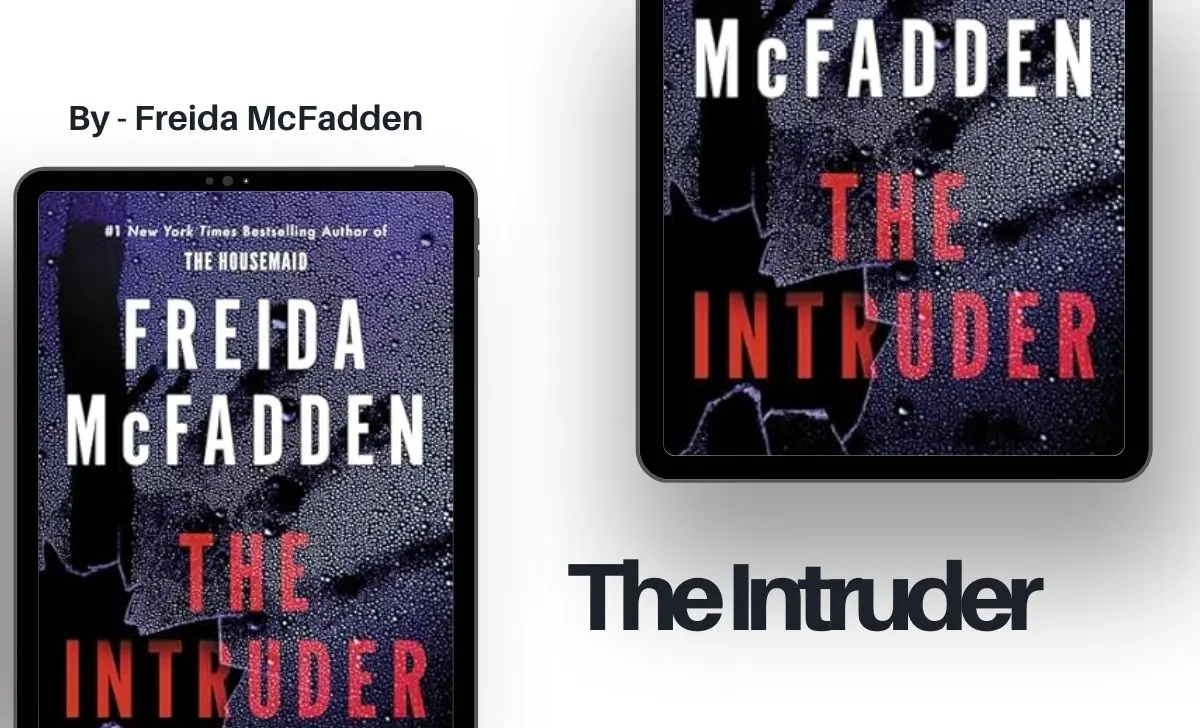
Freida McFadden’s The Intruder arrives as the kind of page-turner that announces itself in the first scene and refuses to let go. If you like domestic suspense with a tight, propulsive plot and a cast of characters who keep their best cards close to the chest, this novel will land squarely in your comfort zone — and then flip it upside down. Below I unpack what works, what occasionally stumbles, and why this particular thriller sits comfortably alongside McFadden’s knack for twisty, emotionally combustible storytelling.
What the book is about — a concise plot overview
On a night when the weather is already turning hostile, Casey — vulnerable, alone, and staying in a remote cabin — finds a bloodied tween on her doorstep. The girl won’t explain where she came from, she clutches a knife, and whatever happened to her is wrapped in silence. Casey’s decision to let the girl in — or not — becomes the hinge on which the rest of the novel swings: secrets, motives, and the meaning of survival begin to unravel as the storm outside intensifies and danger grows closer inside. The setup is compact and immediately cinematic: an isolated setting, a mysterious child, and a protagonist whose empathy drags her into a situation that grows ever more dangerous.
Pacing and structure
One of McFadden’s signatures is her pacing, and The Intruder is no exception. The chapters are short, the scenes are focused, and the narrative rarely lingers on exposition for longer than necessary. That economy keeps tension high: small reveals compound quickly, and every new piece of information carries immediate consequences. Reviewers have noted the book’s brisk momentum and how efficiently McFadden layers clues so that a casual reader is compelled to guess, then re-guess, as the truth slides just out of reach. If you prefer books that lull you into a slow simmer before the payoff, this isn’t that book; it’s more of a relentless boil.
Characters — who you care about (and who you might not)
Casey is written as a sympathetic — sometimes stubborn — protagonist whose instincts to help collide with survival instincts. The “intruder” herself (the girl) is deliberately opaque, a narrative device that invites suspicion and curiosity in equal measure. McFadden’s secondary cast provides emotional texture: neighbors, law enforcement threads, and familial background that complicate motivations. The emotional center of the story is not only suspense but also an exploration of how far someone will go to protect a child — whether that child is innocent or not. McFadden doesn’t hand out easy answers; instead she teases empathy and mistrust in equal measures, which makes the reader participate in moral judgment rather than be lectured to about it.
Themes and tone
Beneath the surface-level thrills, The Intruder wrestles with themes of trust, trauma, and the lies we tell ourselves to stay safe. The claustrophobic setting amplifies psychological tension; the storm is both literal and symbolic, reflecting the internal tumult of characters forced to make high-stakes choices on instinct. There is also a recurring current of parental — or surrogate parental — responsibility that complicates the usual predator/prey framing typical of many thrillers. Instead of relying solely on jump-scare reveals, McFadden often uses quiet, unsettling moments to shift reader sympathies and reframe prior events.
What I liked — strengths that push the book ahead
- Tight plotting: McFadden knows how to set up a prop and then use it multiple times; small details introduced early return later with punch.
- Readability: Short chapters and a lean narrative voice make the book hard to put down; it’s an ideal read for nights when you want momentum.
- Emotional complexity: The novel resists a purely black-and-white moral reading; sympathy and suspicion coexist in ways that elevate the stakes beyond mere puzzle-solving.
- Effective unreliable elements: The presence of a character who will not — or cannot — explain herself is used brilliantly to keep the reader off-balance.
What didn’t fully land for me — small flaws to note
- Some character beats feel slightly underdeveloped: a few secondary figures act more like plot machines than fully rounded people. That’s common in tightly plotted thrillers where pace is prioritized, but it’s noticeable.
- A few twists land because of withheld information rather than clever misdirection; savvy readers may spot the scaffolding if they pay close attention. Even so, emotional surprises are handled well enough to preserve suspense through the final pages.
How the ending sits with the rest of the book
The conclusion is the kind of ending that recontextualizes earlier scenes — which is exactly what you want from a thriller of this type. It doesn’t simply reveal “who did it” but asks readers to consider why certain characters made the choices they did. For some readers the final turns will be perfectly satisfying; for others, the decision to leave moral ambiguity will feel purposeful but frustrating. Either way, the ending is consistent with the novel’s tone and thematic concerns, and it rewards attentive reading rather than passive consumption.
Who should read this book?
If you enjoy quick-moving psychological suspense with morally ambiguous characters and a handful of carefully staged twists, The Intruder is a strong pick. Fans of McFadden’s earlier twisty novels — and readers who like domestic thrillers set in tight, isolated environments — will find plenty to love. If you prefer exhaustive character studies or sprawling, literary explorations, this lean thriller might feel too economical in its character work.
Final verdict
The Intruder is a compact, well-constructed psychological thriller that uses a single, harrowing setup to explore trust and survival. It’s not a reinvention of the genre, but it’s a very good example of how to do domestic suspense properly: quick, tense chapters, moral murk, and a final act that makes you reconsider what you already read. If you’re in the mood for a gripping one-sitting novel that leaves you thinking about motive long after the lights go out, Freida McFadden has delivered again.