
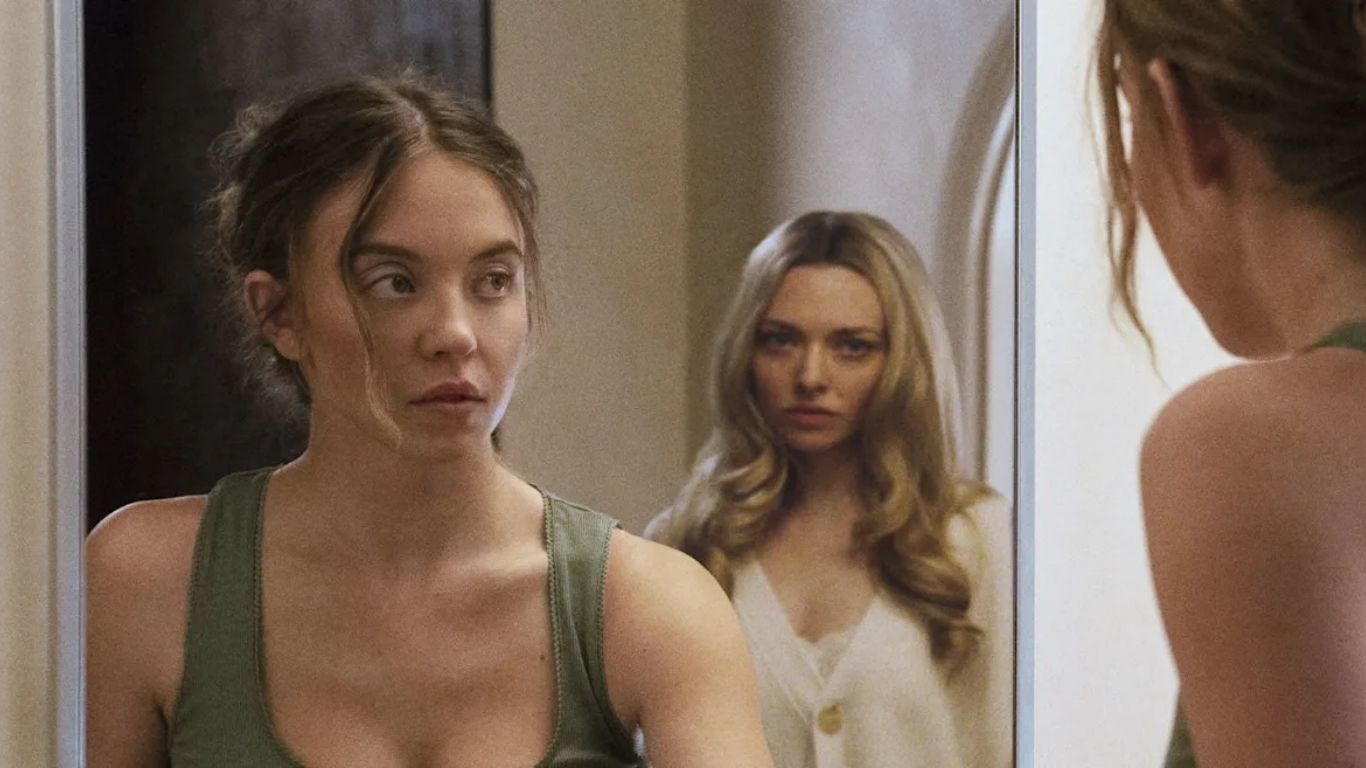
Director Paul Feig has made a bold departure from his signature comedic work to deliver a psycho-suspense thriller that proves he can command the darker corners of cinema with exceptional skill. “The Housemaid,” arriving in theaters this December, is a masterclass in misdirection and manipulation—a film that plays audiences like a chess game, constantly shifting the rules when we think we’ve understood the board.
A Twisted Tale of Deception and Power
The film follows Millie Calloway, portrayed with remarkable vulnerability by Sydney Sweeney, a desperate diary-of-a-young-girl-by-anne-frank/”>young woman living out of her car who takes a live-in housekeeping position at an opulent mansion in upstate New York. Armed with a fraudulent resume and fake references—not to mention fake eyeglasses to appear more mature—Millie presents herself as the perfect candidate for employment. What unfolds is anything but a straightforward domestic drama.
The Winchester household, presided over by the enigmatic Nina Winchester (Amanda Seyfried), appears initially welcoming and charming. Seyfried delivers a performance of calculated restraint, exuding the kind of polished sophistication that masks something far more unsettling beneath the surface. Her perky demeanor and perfectly curated appearance provide the perfect veneer for the psychological games about to unfold. Supporting her is Andrew Winchester (rhythm-of-war-by-brandon-sanderson/”>Brandon Sklenar), the handsome patriarch whose apparent kindness creates an undeniable tension that complicates Millie’s precarious situation.
When Paradise Becomes a Psychological Nightmare
The twist comes swiftly. The immaculate mansion Millie observed during her interview transforms into chaotic disorder by her first morning, while Nina shifts from gracious employer to a rageful, blame-shifting figure—ostensibly due to missed medications. james-patterson-andrew-bourelle/”>Andrew‘s reassuring presence becomes increasingly confusing as Millie finds herself caught between gratitude for his interventions and an attraction that feels dangerous. The power dynamics within the household become murky and unsettling, raising the question: who is really being manipulated here?
Based on Freida McFadden’s 2022 bestselling novel, the screenplay by Rebecca Sonnenshine balances an intoxicating blend of satire, gore, and erotic tension. The film channels the spirit of 1990s psychological thrillers like “The Hand That Rocks the Cradle” and “Basic Instinct,” but elevates the material through its sharp social commentary. Feig and Sonnenshine manage the difficult feat of threading campy, self-aware humor with genuinely disturbing moments—whether it’s a casual line about bacon quantities or the graphic violence that punctuates the narrative.
Visual Storytelling and Atmospheric Detail
The production design enhances the psychological warfare at play. The main living spaces are deliberately rendered in bright, welcoming tones—all clean lines and abundant light—while darker spaces like Andrew’s private screening room are bathed in hellish red, creating a visual vocabulary for the moral ambiguity at the story’s core. Even a creepy dollhouse and strategic use of lightning and thunder during pivotal moments signal that genre conventions are being purposefully deployed.
The supporting cast includes a young daughter, Cece, and a parade of prissy, aristocratic PTA mothers who embody the vapid privilege of their suburban enclave. These peripheral characters add flavor to the satirical examination of wealth and entitlement that runs through the film’s DNA.
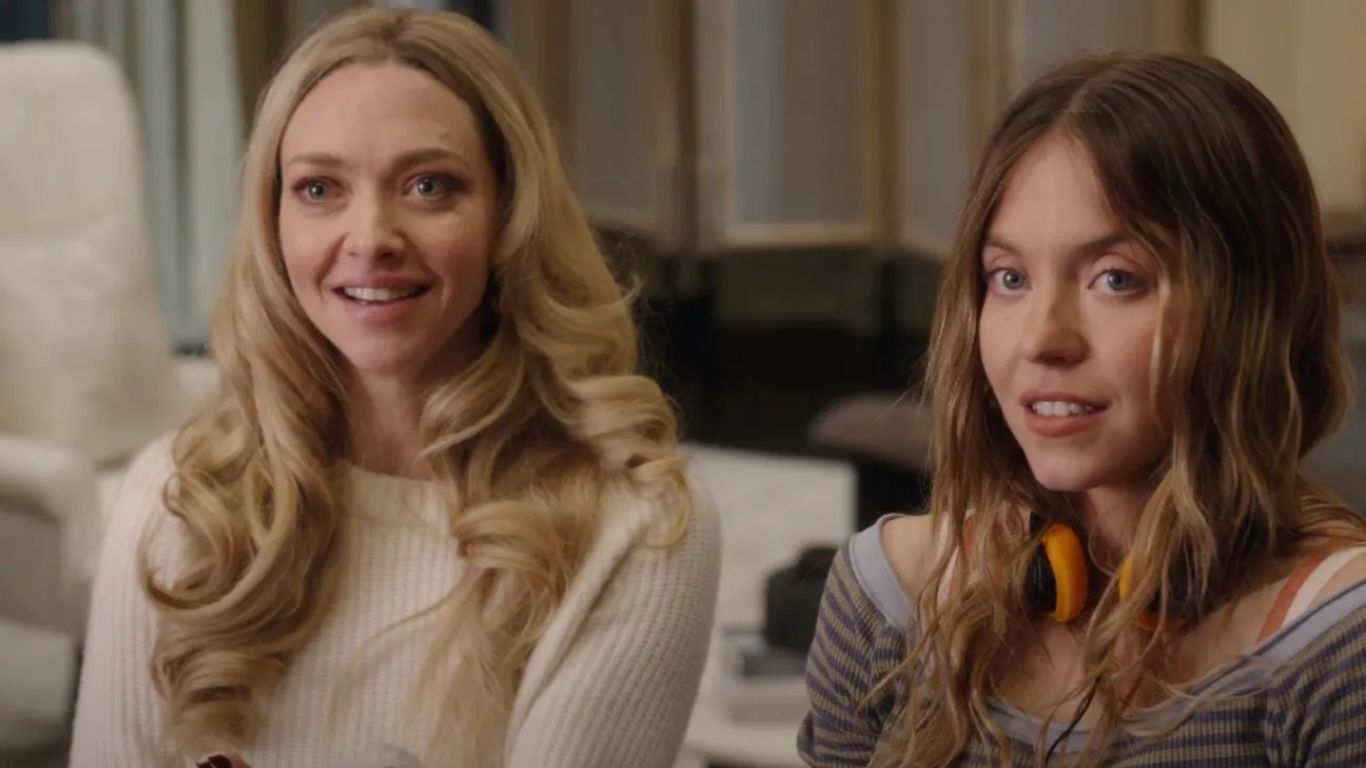
A Statement About Privilege and Powerlessness
What distinguishes “The Housemaid” from standard thriller fare is its engagement with class dynamics and gender-based power structures. The film doesn’t simply ask whether Millie is being victimized—it interrogates how privilege itself functions as a trap, how those without resources can be exploited, and how the appearance of kindness can mask predatory behavior. The narrative repeatedly subverts expectations, with major revelations that force viewers to reconsider everything they’ve witnessed.
A Deliciously Dark Holiday Gift
Wrapped in the guise of an empowerment narrative, “The Housemaid” delivers sophisticated psychological horror with moments of shocking intensity balanced against its satirical edge. The cast commits fully to the material’s melodramatic potential while maintaining enough restraint to keep the film’s tonal balance intact.
The perfect accompaniment to the film’s credits is Taylor Swift’s “I Did Something Bad”—a choice that feels both wickedly appropriate and thematically resonant with the film’s moral complexity.
Paul Feig has crafted an outrageously entertaining holiday release that proves his range extends far beyond comedy. “The Housemaid” arrives December 19, 2025, offering audiences precisely what they didn’t know they needed: a gloriously twisted exploration of wealth, desire, and the dangerous games people play behind closed doors.