
Few franchises have captured the imagination of fans across generations like the Teenage Mutant Ninja Turtles (TMNT). What began as a simple sketch created for laughs has grown into a global empire spanning comics, cartoons, movies, toys, and video games. But how did four pizza-loving turtles trained in ninjutsu become such an iconic part of pop culture? Let’s dive into The History of the Teenage Mutant Ninja Turtles and see how the turtles went from underground comic book heroes to worldwide superstars.
The Birth of the Turtles: A Joke That Changed Everything
In 1984, Kevin Eastman and Peter Laird were brainstorming one evening when Eastman doodled a turtle standing upright and wielding nunchucks. It was meant as a joke—something so absurd it was funny. Laird, recognizing the potential in the idea, suggested the name Teenage Mutant Ninja Turtles.
The pair used a tax refund and a small loan from Eastman’s uncle to self-publish the first issue through their own company, Mirage Studios. What started as a parody of popular comics like Daredevil and Ronin unexpectedly resonated with readers. The dark, gritty black-and-white comic was a hit, and just like that, TMNT was born.
Fictional Origins: From Sewer to Samurai
While their real-world creation is fascinating, the turtles’ in-universe backstory is just as legendary.
The tale begins in Japan with Hamato Yoshi, a skilled warrior of the Foot Clan. Yoshi’s rival, Oroku Nagi, also competed for the love of Tang Shen. When Nagi violently confronted Shen, Yoshi killed him in defense. Dishonored, Yoshi fled to New York with Shen and his pet rat.
But tragedy followed. Oroku Saki, Nagi’s younger brother, swore revenge and rose through the Foot Clan ranks, eventually becoming the deadly villain known as Shredder. After moving to New York, Saki hunted down Yoshi and Shen, killing them both.
The story then shifts to the sewers of New York. Yoshi’s rat, who had mimicked his master’s ninjutsu moves, survived on scraps until fate intervened. A truck carrying toxic waste spilled its cargo, dousing four baby turtles and the rat in strange glowing ooze. Overnight, they began to mutate—growing larger and smarter.
The rat, now able to speak, became their mentor and took the name Splinter (a nod to his late master Yoshi). He trained the turtles in ninjutsu and gave them names from a Renaissance art book: Leonardo, Raphael, Michelangelo, and Donatello.
The Cartoon That Made Them Legends
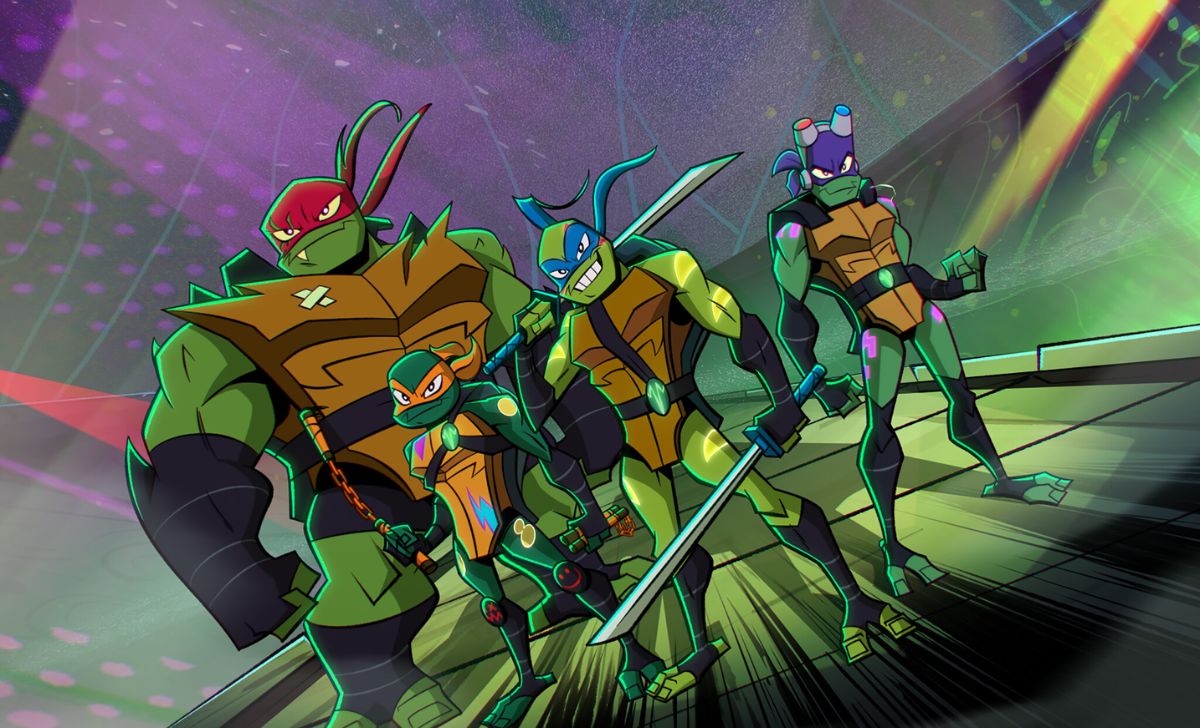
While the comics gave the turtles their start, it was the 1987 animated series that catapulted them into mainstream stardom. Playmates Toys, hesitant to invest in an unknown comic, requested a TV deal to support an action figure line. That cartoon not only sold toys—it created a cultural explosion.
For many fans, this was their first introduction to TMNT. Bright, colorful, and full of humor, the show gave each turtle a distinct colored mask to help children tell them apart. It also introduced catchphrases like “Cowabunga!” and cemented their love for pizza.
The success of the cartoon led to action figures, video games, and eventually the live-action films of the early 1990s, which blew audiences away. What started as a parody comic had now become a household name.
Meet the Heroes in a Half-Shell
Each of the turtles has a distinct personality, which has helped fans connect with them for decades:
- Leonardo (Leo): The disciplined leader, wearing a blue mask and wielding twin katanas. His responsibility to lead often creates friction with his hotheaded brother.
- Raphael (Raph): The red-masked brawler, armed with sai. He’s rebellious, temperamental, and constantly challenges Leo’s authority.
- Michelangelo (Mikey): The fun-loving jokester with an orange mask and nunchucks. He’s carefree, pizza-obsessed, and provides comic relief.
- Donatello (Donnie): The brains of the group, wearing purple and fighting with a bo staff. He’s a tech genius, often inventing gadgets and preferring brains over brawn.
Allies and Friends
Beyond the turtles, the franchise introduced a cast of unforgettable allies:
- Splinter: Their wise father figure and sensei, who turned tragedy into purpose by raising the turtles as warriors.
- April O’Neil: In the comics, she was a lab assistant, while in the cartoon and movies she became a TV reporter. Regardless of version, she’s always been a loyal friend to the turtles.
- Casey Jones: A hockey mask-wearing vigilante who uses sports gear as weapons. He became both an ally to the turtles and a love interest for April.
Villains That Shaped Their World
Every great hero needs great villains, and TMNT has plenty:
- Shredder: The turtles’ arch-nemesis, a ruthless warrior and leader of the Foot Clan.
- Krang: The alien warlord from Dimension X, often scheming with Shredder.
- Bebop and Rocksteady: The bumbling mutant henchmen, part warthog and part rhino.
- Baxter Stockman: A mad scientist responsible for creating dangerous robots like the Mousers.
- Rat King, Slash, and the Purple Dragons: Additional foes that expanded the turtles’ rogues’ gallery.
The Evolution of TMNT
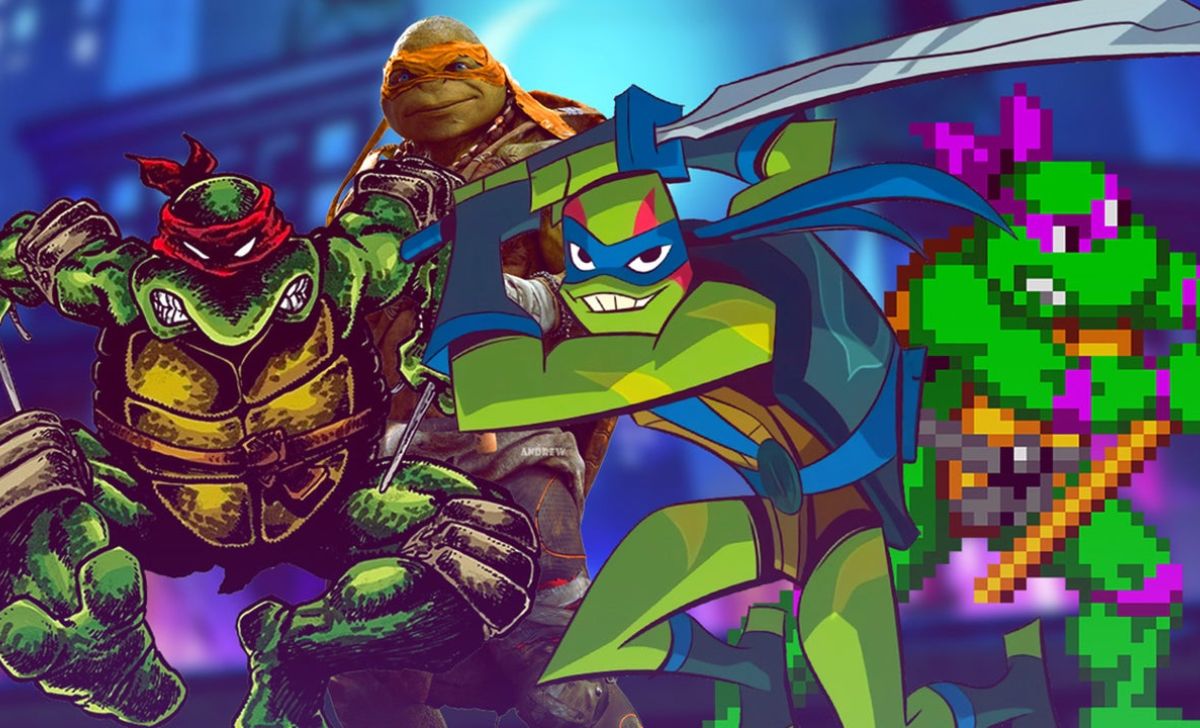
Over the decades, TMNT has constantly reinvented itself. From the original comics to the 2003 animated reboot, the CGI 2007 movie, and the recent live-action and animated films, the turtles have remained relevant for each new generation.
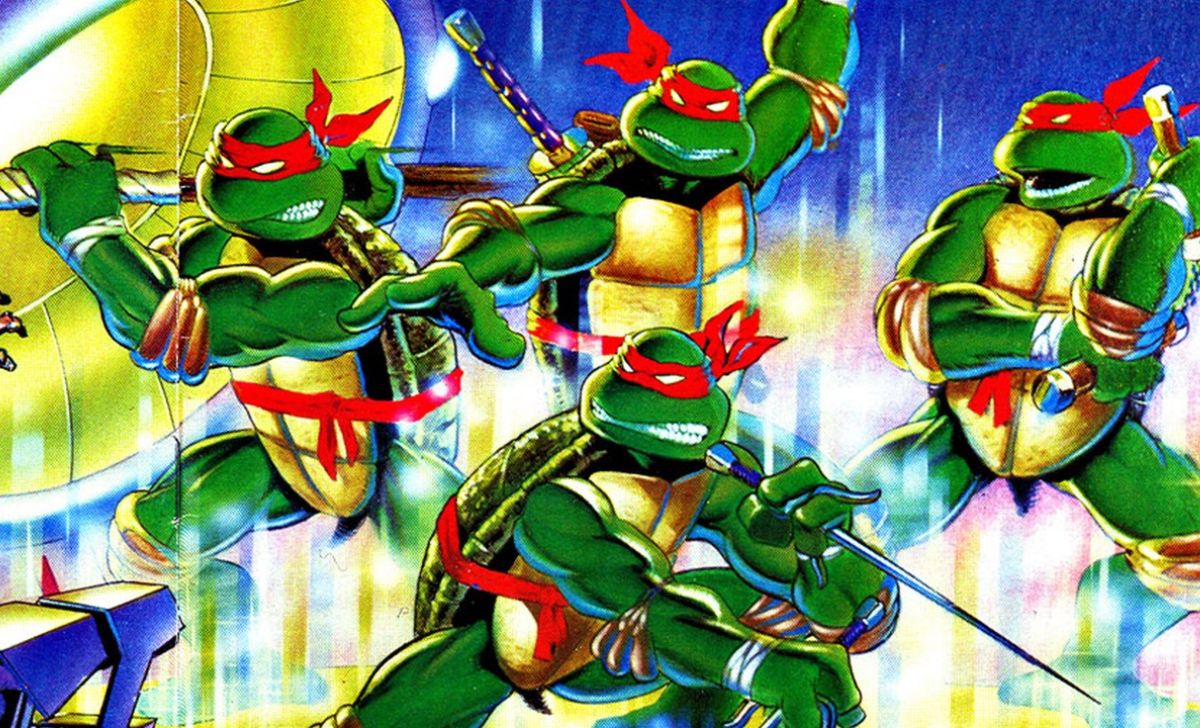
Interestingly, while the early comics gave all turtles red masks, later adaptations adopted the color-coded masks fans know today. This visual change stuck and is now inseparable from their identity.
Where to Start Reading TMNT
If you’re curious about exploring the original comics, here are a few great places to start:
- Teenage Mutant Ninja Turtles Color Classics (Issues #1–11)
- Micro-Series Raphael (introducing Casey Jones)
- Teenage Mutant Ninja Turtles Volume 1: Change is Constant
- Teenage Mutant Ninja Turtles Adventures Volume 1
These stories showcase how the turtles evolved from a gritty comic experiment to a beloved cultural phenomenon.
Why the Turtles Endure
At their core, the Teenage Mutant Ninja Turtles represent more than just action and humor. They’re about brotherhood, loyalty, and finding family in unexpected places. Their unique blend of martial arts action, humor, and heart has allowed them to thrive for over 40 years—and they’re not slowing down anytime soon.
From a sketch meant to amuse two friends to a billion-dollar franchise, the turtles prove that sometimes the wildest ideas can change the world.