
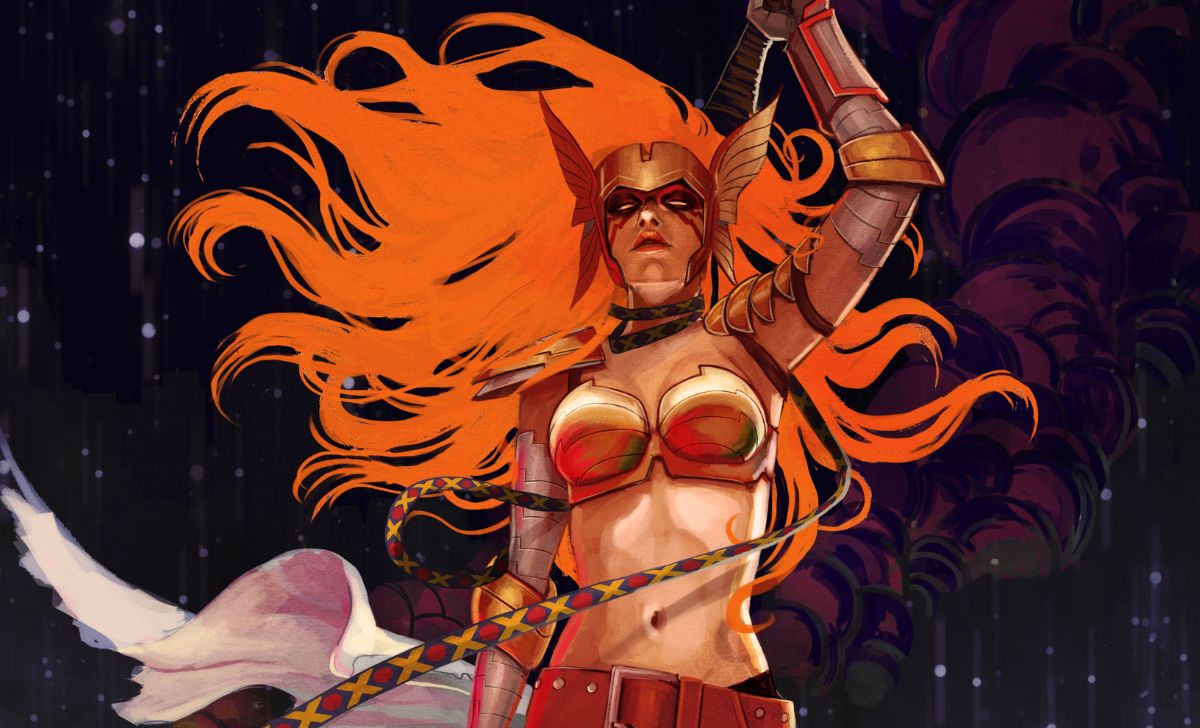
When you think of Marvel Comics, names like Thor, Spider-Man, or Iron Man might come to mind immediately. But one of the most fascinating characters to have joined Marvel’s cosmic and mythological landscape in recent years is Angela. Her story is not just a tale of gods, warriors, and realms—it’s also a real-world saga about ownership rights, comic book rivalries, and creative legacies. Angela has had a long and winding journey, one that began outside of Marvel altogether. To truly understand The History of Angela, we need to travel back to the early 1990s, when a new age of creator-owned comics was just beginning.
Angela’s Powers and Abilities
Before diving into her origin, let’s establish what Angela brings to the table in Marvel. As an Asgardian (and more accurately, something beyond that), Angela shares many traits with Thor and her kin. She has superhuman strength comparable to the God of Thunder, along with durability, endurance, and stamina that make her a formidable warrior.
Her healing factor is incredibly advanced—so much so that some might argue it’s overkill. Unlike most Asgardians, who rely on the apples of Idunn to maintain their longevity, Angela is truly immortal. She does not age, does not need food to survive, and will live forever unless killed in combat.
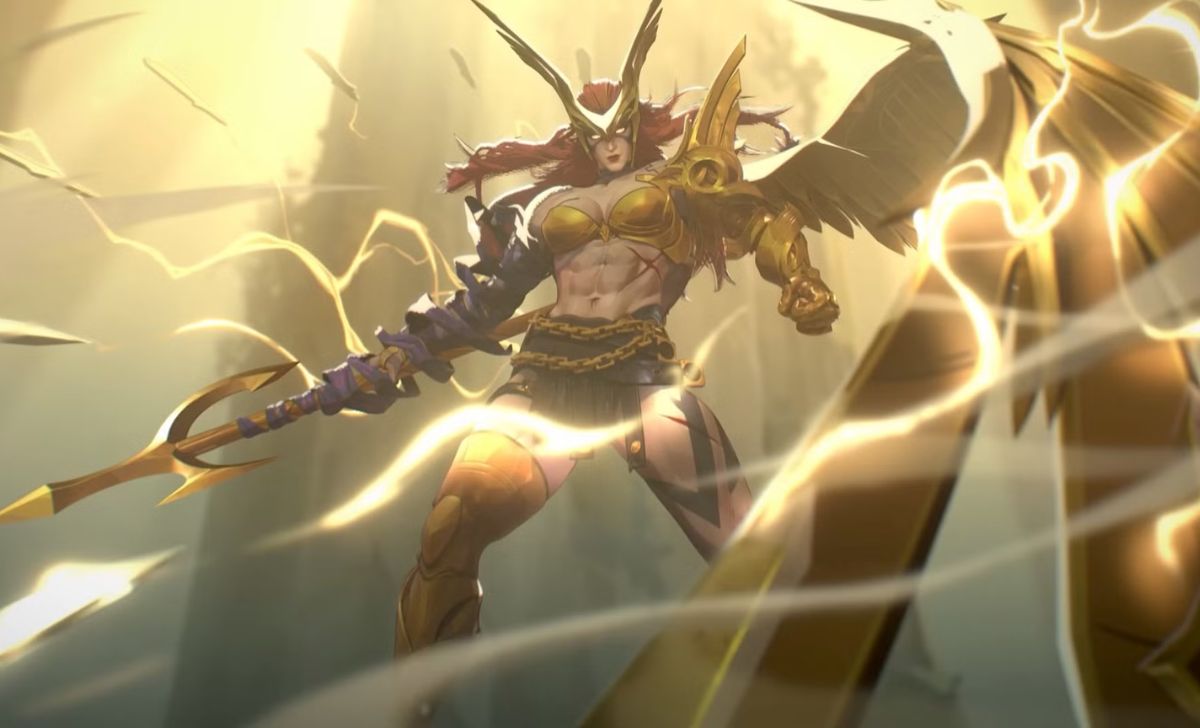
These traits, combined with her skills in combat and her mastery of weaponry, make her one of the most dangerous fighters in Marvel’s universe. In the game Marvel Rivals, she’s been positioned as a Vanguard, similar to Thor, reflecting her natural role as a frontline powerhouse.
Angela’s Unlikely Origin: From Spawn to Marvel
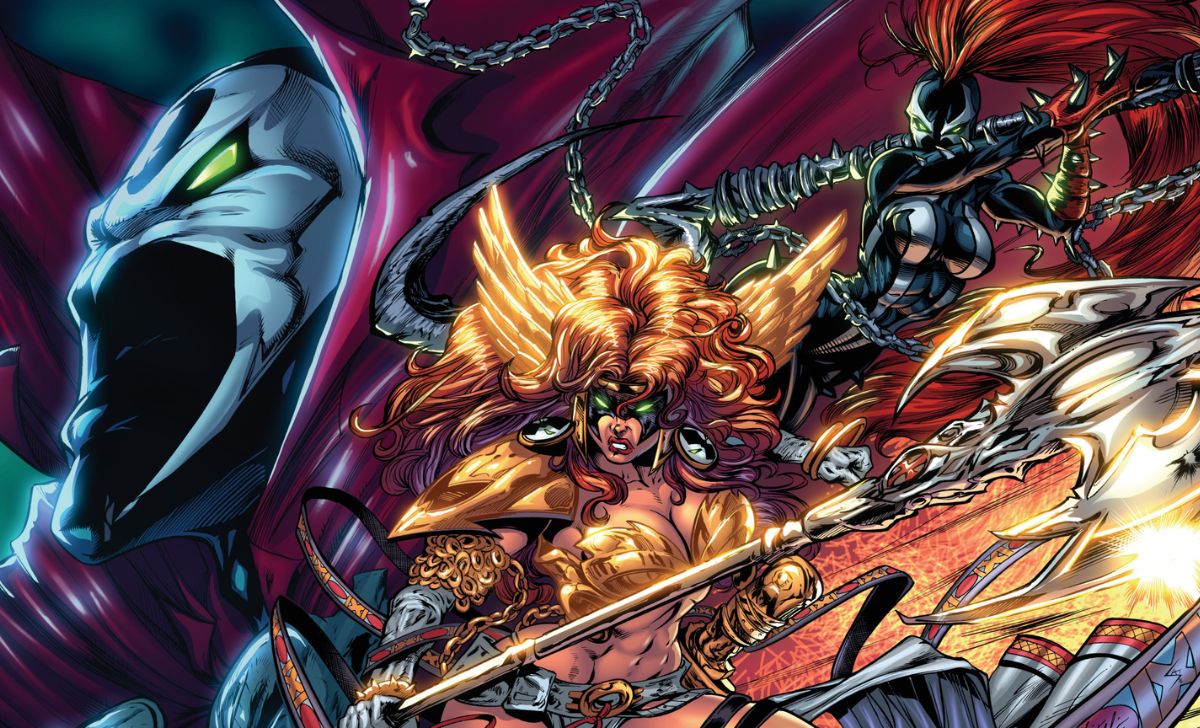
The most surprising fact about Angela is that she wasn’t even born in the Marvel Universe. She was created for Spawn, Todd McFarlane’s groundbreaking Image Comics series.
In the early 1990s, McFarlane invited four legendary writers—Alan Moore, Neil Gaiman, Dave Sim, and Frank Miller—to each pen an issue of Spawn. Neil Gaiman took on issue #9 in 1993, and it was here that Angela first appeared.
In the pages of Spawn, Angela was introduced as an angelic bounty hunter. Her mission? To hunt down Hellspawn, like the titular anti-hero Spawn himself. Spawn, once a government assassin betrayed and sent to hell, returned to Earth bound to a demonic symbiote suit. Angela saw him as just another target.
Initially, she underestimated him. Confident in her experience and abilities, she believed defeating Spawn would be easy. Instead, the opposite happened—Spawn bested her. This loss set up an interesting dynamic between the two characters, one that evolved from enemies to reluctant allies and even, briefly, romantic interests.
Angela’s story in Spawn included trials in heaven, wrongful accusations, battles against demonic gods, and even her eventual death. In Spawn #100, she was killed by the demon Malebolgia, struck down by her own lance. Spawn, enraged, avenged her by beheading Malebolgia, but Angela’s fate seemed sealed.
So how did she end up in Marvel Comics? That story is as dramatic as any comic book plotline.
The Legal Battle Over Angela
Image Comics was founded on the principle that creators should own their creations. Neil Gaiman, therefore, expected to retain rights to Angela. However, Todd McFarlane argued that since there was no written contract, Angela was his property.
This dispute led to a lengthy legal battle. In 2002, Gaiman sued McFarlane for unpaid royalties on Angela and other characters he created for Spawn. The court sided with Gaiman, ruling that he co-owned Angela along with McFarlane.
Eventually, in 2012, the two reached a settlement: Gaiman gained full ownership of Angela, while McFarlane kept rights to Medieval Spawn and Cogliostro. With Angela now fully his to control, Gaiman sold the character to Marvel Comics in 2013.
This marked a historic moment—Angela, a character born in Image Comics’ Spawn, was about to join the Marvel Universe.
Angela’s Arrival in Marvel Comics
Angela’s Marvel debut came in Age of Ultron #10 (2013). The story’s convoluted time-travel shenanigans, largely thanks to Wolverine, broke the timeline and caused disruptions across the multiverse. In the final panel, Angela suddenly appeared in Marvel’s continuity, torn from her home dimension against her will.
She soon crossed paths with the Guardians of the Galaxy in issue #5 of their series. Initially clashing with them, she explained that she came from “heaven” and had been ripped from it, ending up in outer space. Seeing Earth for the first time—a place she had thought was only a myth—Angela decided to explore this new universe.
Eventually, she even aided the Guardians in their battle against Thanos’s forces and became a temporary member of the team. But her biggest revelations were still to come.
Original Sin and the Revelation of the Tenth Realm
In 2014, Marvel launched the Original Sin event by Jason Aaron. The story centered around the murder of the Watcher Uatu, whose eyes contained all the secrets of the universe. When these secrets were unleashed, Thor learned something shocking: he had a sister.
That sister was Angela.
The story revealed that Angela was born Aldrif Odinsdottir, the daughter of Odin and Freya. As a baby, she was believed to have been killed during a war between Asgard and the Angels of the Tenth Realm, a realm Odin later severed from existence in his fury. In truth, Angela survived. Raised by the Angels, she grew into the fierce warrior Marvel fans now know.
When Thor journeyed to the Tenth Realm, Angela confronted him. Their battle was fierce, but the truth eventually came out: she was his long-lost sister. Though accepted as family, Angela felt out of place in both Asgard and Heaven. Ultimately, she chose exile, carving her own path.
Angela: Asgard’s Assassin
Angela’s first solo series in Marvel came with Angela: Asgard’s Assassin (2014), written by Kieron Gillen and Marguerite Bennett.
In this series, Angela discovers that Odin fathered yet another daughter. When she learns the child is possessed by the fire demon Surtur, Angela kidnaps her and goes on the run with her partner, Sera. Their quest leads them to Heaven, where they manage to cleanse the child.
The story combined cosmic adventure with Angela’s personal struggles. It also expanded her relationship with Sera, adding depth to her character beyond the battlefield.
Angela: Queen of Hel
Angela’s journey continued in Angela: Queen of Hel (2015). In this storyline, she descended into Hel itself to rescue Sera, whose soul had been trapped there.
Facing off against Hela, ruler of Hel, Angela eventually overthrew her and briefly ruled the realm herself. However, Angela quickly abdicated, passing the throne to her brother Balder and returning with Sera to Earth.
This arc cemented Angela as a character willing to defy gods, demons, and even death itself for those she loved.
Angela in Strikeforce
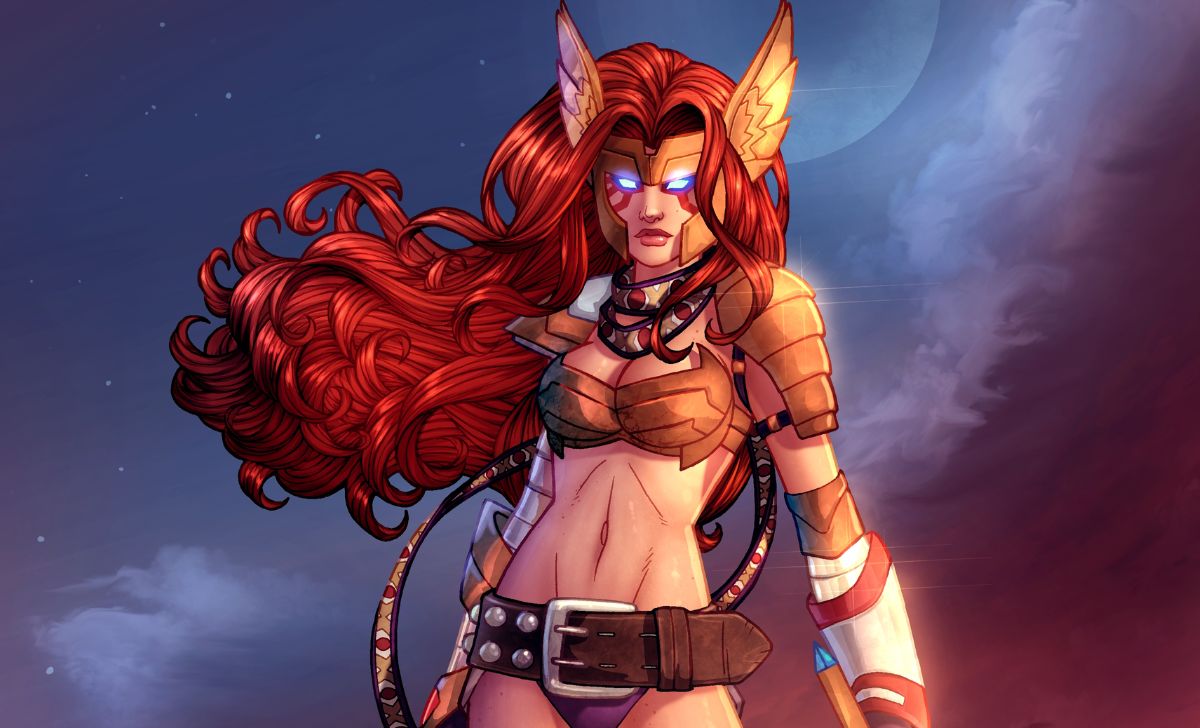
In 2019, Marvel launched Strikeforce, a team that handled missions too dark or dangerous for the Avengers. Angela served as co-leader alongside Blade.
This “black ops Avengers” included characters like Spider-Woman, Spectrum, and Daimon Hellstrom. While the series only lasted nine issues, it gave Angela another chance to shine as a leader, showcasing her tactical mind and ruthless efficiency.
Angela’s Later Appearances
Since the end of Strikeforce, Angela has appeared sporadically. She briefly showed up in Immortal Thor, aiding Odin’s children in locating their brother Tyr, but her role was relatively minor.
This has led many fans to argue that Marvel has underutilized Angela. With her compelling backstory, connections to both Asgard and the cosmic Marvel landscape, and her unique origin outside of Marvel itself, she remains a character with immense potential waiting to be tapped.