
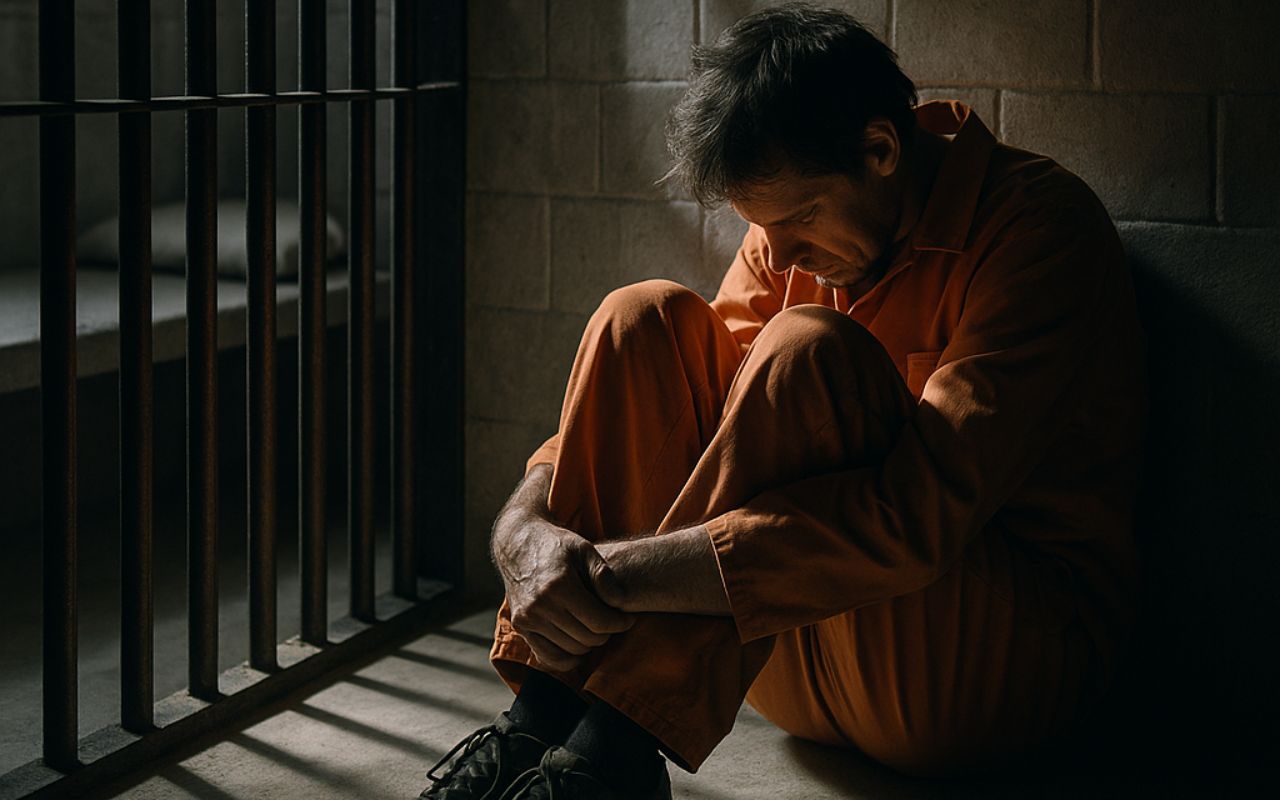
Isolation is often romanticized as a necessary space for self-reflection and peace. Yet, when solitude is imposed for extended periods, especially in environments where it is neither chosen nor accompanied by meaningful activity, the effects can be severe and far-reaching. This article delves into the multifaceted impacts of prolonged isolation, particularly in the context of solitary confinement, drawing on psychological, physiological, and sociological perspectives. The aim is to understand what happens to individuals in these extreme circumstances and why such practices persist in society despite well-documented harm.
The Dual Nature of Solitude
Everyone needs time alone. Moments of peaceful solitude can help relieve stress, replenish emotional reserves, and foster creativity. This kind of voluntary isolation serves as a buffer against the noise and demands of daily life. However, forced isolation, often experienced as being alone for reasons beyond one’s control—whether due to illness, imprisonment, or abandonment—transforms a peaceful retreat into a psychological battlefield. In such circumstances, the absence of choice changes the entire experience, making it not just lonely but dangerous.
The Initial Psychological Impact of Involuntary Isolation
When someone is suddenly and unwillingly cut off from others, the body reacts as if under threat. Early on, stress hormones like cortisol surge, creating feelings of anxiety and alertness. While these responses are natural in manageable amounts, continued isolation extends the stress response far beyond what the body is designed to endure. As days turn into weeks or even months, stress becomes chronic, wearing down mental and physical resources. Social interactions—casual conversations, shared tasks, even simple gestures—are not mere luxuries; they provide essential feedback and emotional grounding.
Social Reality Testing and Identity Erosion
Humans rely on what researchers call “social reality testing.” This is the process of bouncing ideas, emotions, and perceptions off others to gauge their validity. When deprived of this feedback loop, an individual’s sense of reality and self can begin to erode. Without social reference points, thoughts may spiral unchecked, leading to distorted thinking, impulsive decisions, and emotional instability. As isolation persists, risks of depression, obsessive thinking, suicidal ideation, and even episodes of hallucination or delusion increase dramatically.
Neurological Changes in Response to Isolation
The brain is not immune to the effects of long-term isolation. Prolonged distress stimulates the limbic system—a network regulating emotions such as fear and anxiety—making it hyper-reactive. Simultaneously, the prefrontal cortex, responsible for reasoning, planning, and moral judgment, can actually shrink with extended neglect. This imbalance shifts a person’s processing capability away from rational, reflective thought and towards emotional, often irrational, responses. Over time, ingrained neural habits make it harder to break free of anxiety, rage, or irrational behavior, even after the isolation ends.
The Disintegration of Daily Rhythms and Physical Health
Extended isolation doesn’t stop at psychological harm; it invades the body’s rhythms and systems too. Those isolated may quickly lose their sense of time, making days and nights blur together. Sleep disturbances are common, alongside physical symptoms like heart palpitations, headaches, dizziness, and an increased sensitivity to environmental stimuli. Appetite drops and digestive issues appear as stress interferes with the normal regulation of bodily processes, often leading to weight loss or nutrient deficiencies.
Coping with Solitude: Limited but Essential Measures
Despite the overwhelmingly negative impact, individuals in solitary or extremely restrictive environments attempt to cope in constructive ways. Establishing routines—incorporating exercise, reading, and writing—offers some resistance to the emotional strain and monotony. However, in truly extreme conditions, such as solitary confinement, these measures only go so far. The absence of external stimulation and social contact leaves the individual exposed to the enduring damage of isolation.
Solitary Confinement: A Practice Under Scrutiny
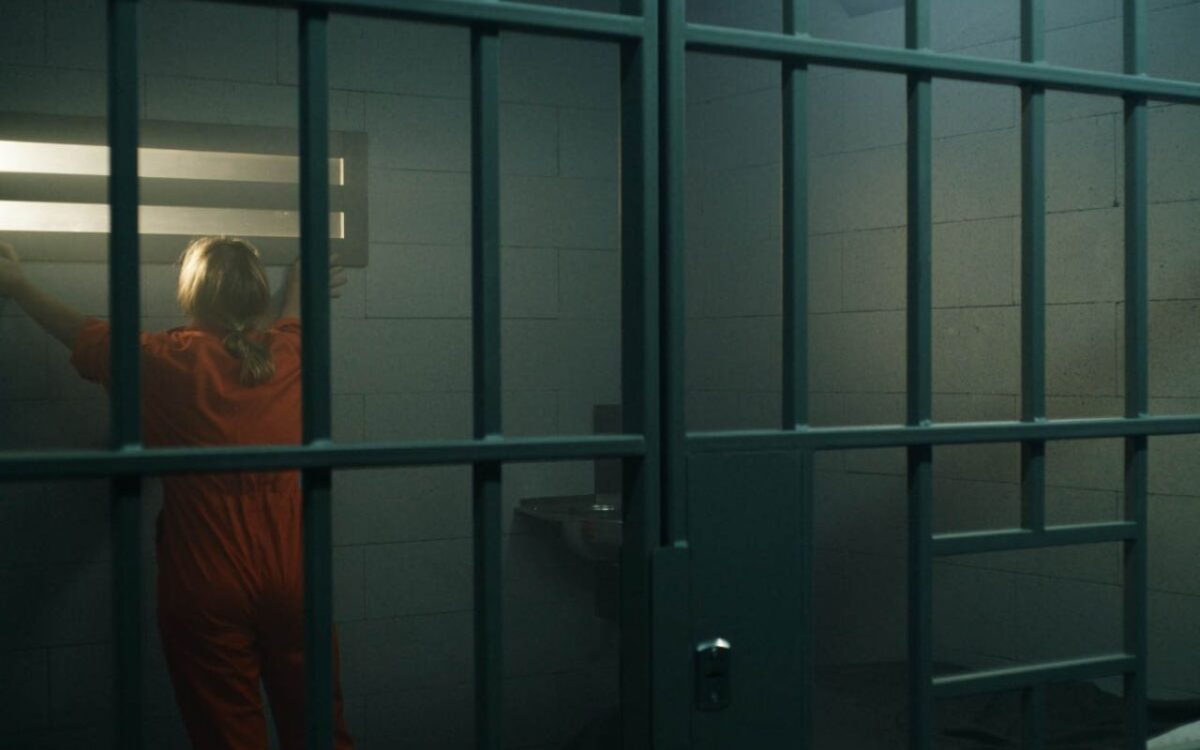
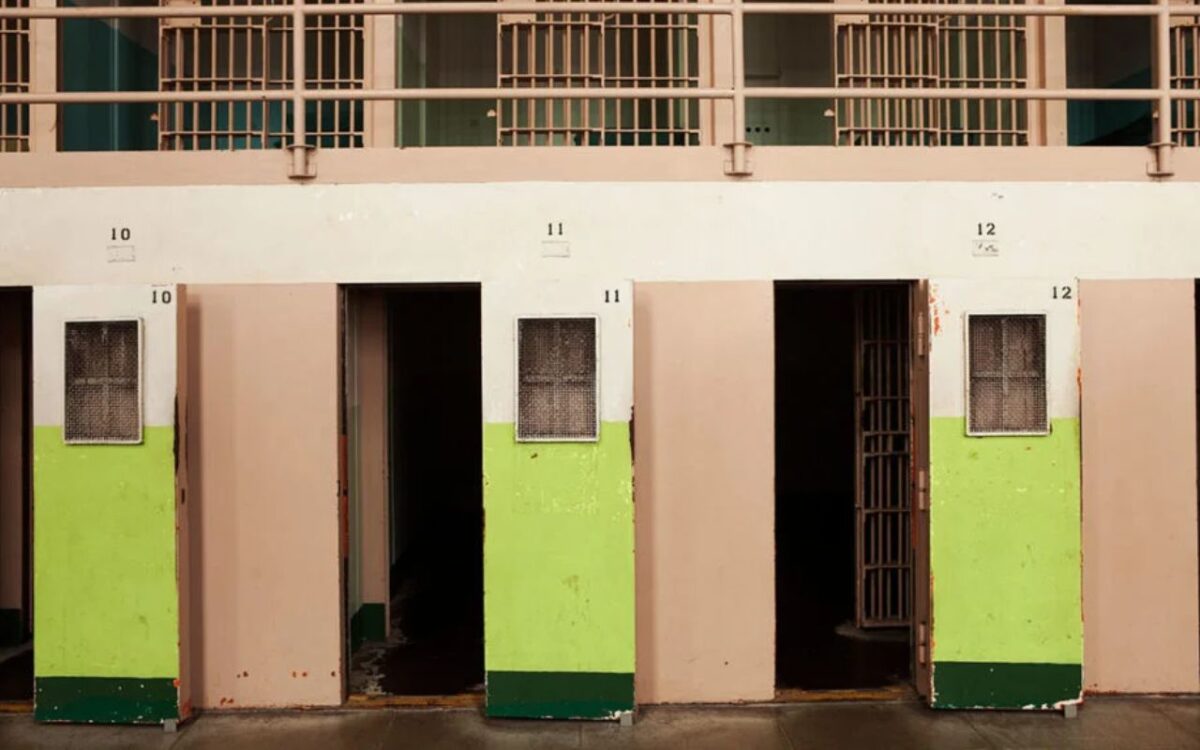
The harshest example of involuntary isolation is solitary confinement, often called “restrictive housing.” This practice is shockingly widespread in some countries, especially the United States. In 2019, over 120,000 US prisoners were confined for 22 to 24 hours a day, in small, often windowless cells. The historical roots of this practice can be traced back to late 18th-century Quaker groups, who introduced isolation as a humane alternative to corporal punishment. The intention was to foster reflection and penitence—thus the term “penitentiary.”
Criticism of Solitary Confinement: From Dickens to the Supreme Court
Solitary confinement very soon attracted harsh criticism. Notably, Charles Dickens, upon visiting American prisons in the 1800s, described solitary as “worse than any torture of the body.” The US Supreme Court debated the merits and ethics of the practice, and, for a time, its use waned. Unfortunately, with the rise of “tough-on-crime” policies in the 1980s, US prison populations exploded. As institutions became overcrowded, authorities increasingly turned to solitary confinement to control unrest, protests, and violence. Over time, the threshold for being placed in solitary dropped, with prisoners often confined for minor, nonviolent offenses—sometimes for merely talking back to guards.
The Vulnerable: Mental Health Disorders and Increased Suffering
Solitary confinement is especially destructive for those with pre-existing mental health issues. Imprisoned individuals with conditions like depression, anxiety, or psychosis are far more likely to be placed in isolation, where their symptoms quickly worsen. This creates a vicious cycle: behavioral symptoms lead to isolation, which causes further psychological deterioration, resulting in more difficult behavior and longer stays in solitary.
Long-Term Consequences: Post-Traumatic Stress and Personality Changes
The damage inflicted by solitary confinement does not end when a prisoner is released. Those who have spent substantial time in solitary are three times more likely to display symptoms of post-traumatic stress disorder (PTSD). Common reports include lasting personality shifts, greater anxiety, and paranoia, even in ordinary, everyday scenarios. Many also struggle to concentrate and reconnect with others, hampering their reintegration into families, work, and society at large.
Incomplete Reforms and Persistent Loopholes
Recognizing the harm, some US states have taken steps to restrict solitary confinement, especially for children, pregnant women, and those with severe mental illnesses. Limits of 15 to 20 days are recommended for everyone, in line with international human rights standards. Nonetheless, such laws are not always enforced, and authorities have found ways to bypass regulations. As a result, many continue to endure extended, damaging isolation, often with little recourse or oversight.
Solitary as Torture: The Global Human Rights Perspective
International bodies like the United Nations have classified prolonged or indefinite solitary confinement as a form of torture. Human rights organizations consistently advocate for its abolition, especially in light of mounting evidence that it does not improve safety or rehabilitation. In fact, research suggests that solitary confinement fails to reduce violence within prisons and does lasting psychological harm.
Global Alternatives: The Case for Humane Incarceration
While solitary confinement remains common in countries like the United States, other nations have charted more compassionate paths. Norway, for example, imprisons far fewer people per capita but invests heavily—up to five times more per prisoner—on better accommodations, educational programs, and work release opportunities. The results are striking: Norway boasts one of the world’s lowest recidivism rates, with far fewer ex-prisoners committing new crimes after release. This suggests that rehabilitation, rather than punitive deprivation, should be the true goal of corrections.
Getting Better Together: The Importance of Social Bonds
Ultimately, the story of solitude, especially as experienced in solitary confinement, teaches that humans are fundamentally social creatures. Social bonds, meaningful activity, and shared reality checks are not simply comforts but necessities for well-being. When these are stripped away, the consequences ripple through mind, brain, and body, leaving scars that can last a lifetime. As more is understood about the hidden costs of isolation, the case for reform—both within and outside the criminal justice system—becomes even stronger.
Conclusion: Rethinking Our Approach
Solitude has a place in a healthy life, when it is chosen and paired with purpose. Yet when isolation is weaponized, used to punish or control, the effects are catastrophic. As evidence mounts, it’s clear that society must rethink practices like solitary confinement—not just for the sake of those subjected to them, but for the health and humanity of all. Investing in social connection, rehabilitation, and mental health is not just a moral imperative but a practical necessity, creating not only safer communities but more resilient individuals.