
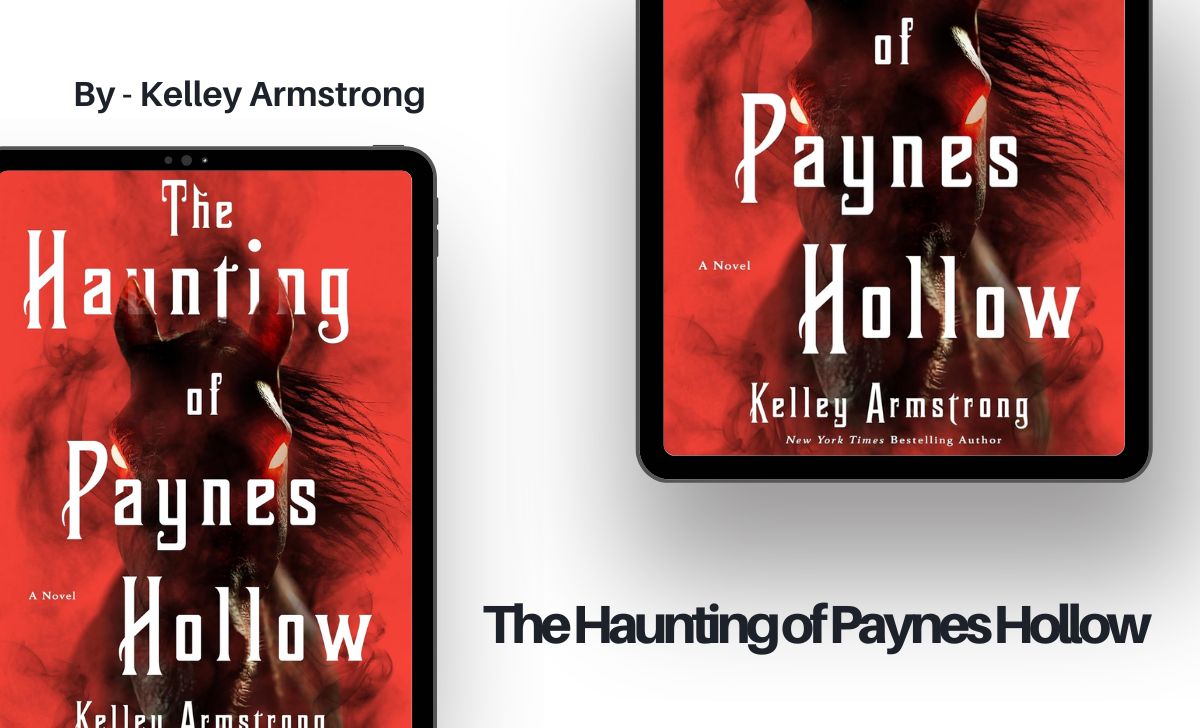
Kelley Armstrong’s The Haunting of Paynes Hollow is a compact, atmospheric horror novel that wraps a family inheritance story around folklore and the murkier parts of memory. It’s a classic “return to the place you swore off forever” setup, but Armstrong sharpens it with an unreliable past, a headless-horseman thread, and a lake that seems to breathe. If you want a brisk, eerie read where the human secrets are as unsettling as the supernatural ones, this one hits the mark.
What the Book Is About (Spoiler-Light Plot Overview)
Samantha (Sam) Payne has spent years scraping by to keep her mother—who has early-onset dementia—in proper care. After her estranged grandfather dies, Sam learns she has inherited the family’s valuable lakeside property in Paynes Hollow. There’s a catch: she must live at the cottage for thirty days under strict rules. That requirement doesn’t just test her patience; it forces her to sit with the worst chapter of her childhood—when she witnessed her father burying a murdered teen’s body, shortly before her father died by suicide.
Sam arrives at the lake with a head full of contradictions: her grandfather always insisted her father was innocent, but the memory of blood on clothing is hard to argue with. Early on, Sam senses she isn’t alone. She hears things in the trees, sees shapes in the water, and feels a presence that could be folklore made flesh—or her history distorting the present. When her aunt disappears, the tense month on the property turns into a search for truth with real stakes. The deeper Sam digs, the more she uncovers about the Payne family’s bargains, betrayals, and the thin membrane separating legend from reality.

What Works: Vibe, Voice, and the Folklore Thread
Armstrong keeps the tone taut. The setting—forest, cottage, and lake—functions as a three-part pressure cooker. The trees conceal, the cottage confines, and the lake tempts with answers that may drown you. The local folklore—Sleepy Hollow-style riders and old-world creatures—isn’t a gimmick. It’s sewn into the story’s logic, feeding the ambiguity: are we dealing with hauntings, orchestrated deception, or both? The novel repeatedly asks what memory does to evidence—and what family does to the truth.
The first-person voice is also a strength. Sam’s narration amplifies dread without melodrama. Because we only get her angle, unnerving episodes land with a double effect: they scare, and they also make us question her certainty. That balance—experience vs. interpretation—keeps the pages turning.
Characters: A Family That Cuts Both Ways
Sam is a steady lead because she’s painfully practical. She’s driven by survival, debt, and duty to a parent who sometimes doesn’t know her. That grounded motivation keeps the story human even when specters ride. Around her, Armstrong builds a cast whose loyalties aren’t obvious: an aunt who may be protector or problem, a community that remembers things differently, and relatives who’ve learned to weaponize the past. The book knows that family is its own haunted house, and the most chilling ghosts are the ones we create to live with ourselves.
Pacing and Structure: A Tight Month on the Clock
The month-long constraint is a great structural spine. It gives the book a natural countdown, and the “one hour off the property per day” rule acts like a thriller leash—enough freedom to chase answers, not enough to escape consequences. The result is steady escalation rather than constant jump-scares. Expect a slow build in the first act, a ratcheting second act once the aunt goes missing, and a finale that clicks the puzzle into place with satisfying clarity.
Horror Elements: On-Page Shivers Without Splatter Saturation
Armstrong doesn’t rely on gore. You’ll find creep over shock: night sounds with no source, chills by the waterline, figures glimpsed at the edge of sight. The folklore figures (including a twist on the Headless Horseman mythos) get enough detail to feel dangerous without over-explaining their mechanics. The book’s best horror move is how it rhymes folklore with generational guilt, so every supernatural beat echoes a human one.
Themes: Memory, Money, and Moral Fog
Three threads braid the book together:
- Memory vs. Reality: Can you trust the worst thing you ever saw if trauma distorted the lens?
- Inheritance: Not just property, but obligations—debt, silence, and the cost of belonging to a powerful family name.
- Community Lore: Stories stabilize a town’s identity. But the same stories can excuse cruelty or bury crimes.
The novel’s spine isn’t “is the monster real?” so much as “what do we owe the truth when truth endangers us?”
Any Bumps?
A few readers may want more time with certain side characters or a longer cooldown after the climax. There are also moments where logistics of who-did-what-when feel almost too neat—or, depending on your taste, not neat enough. A couple of reviewers noted a wish for a touch more resolution on specific threads. That said, the central mystery lands, and the emotional math balances.
Who Will Enjoy It
- Fans of folkloric horror that updates classic legends without turning them into Easter eggs.
- Readers who like single-location pressure cookers (remote cottage, strict rules, ticking clock).
- Horror-curious thriller readers who prefer dread and atmosphere over graphic content.
- Book club folks—there’s plenty to discuss about reliability, culpability, and how communities protect their myths.
Final Verdict
The Haunting of Paynes Hollow is brisk, eerie, and surprisingly moving. It pairs a folklore-laced menace with a family saga in which love and harm often look like twins. The villainy here isn’t only what climbs from the lake; it’s also what long memories and big inheritances can do to the living. Come for the riders and the ripples on the water; stay for the way Armstrong turns a month-long stay into a reckoning.