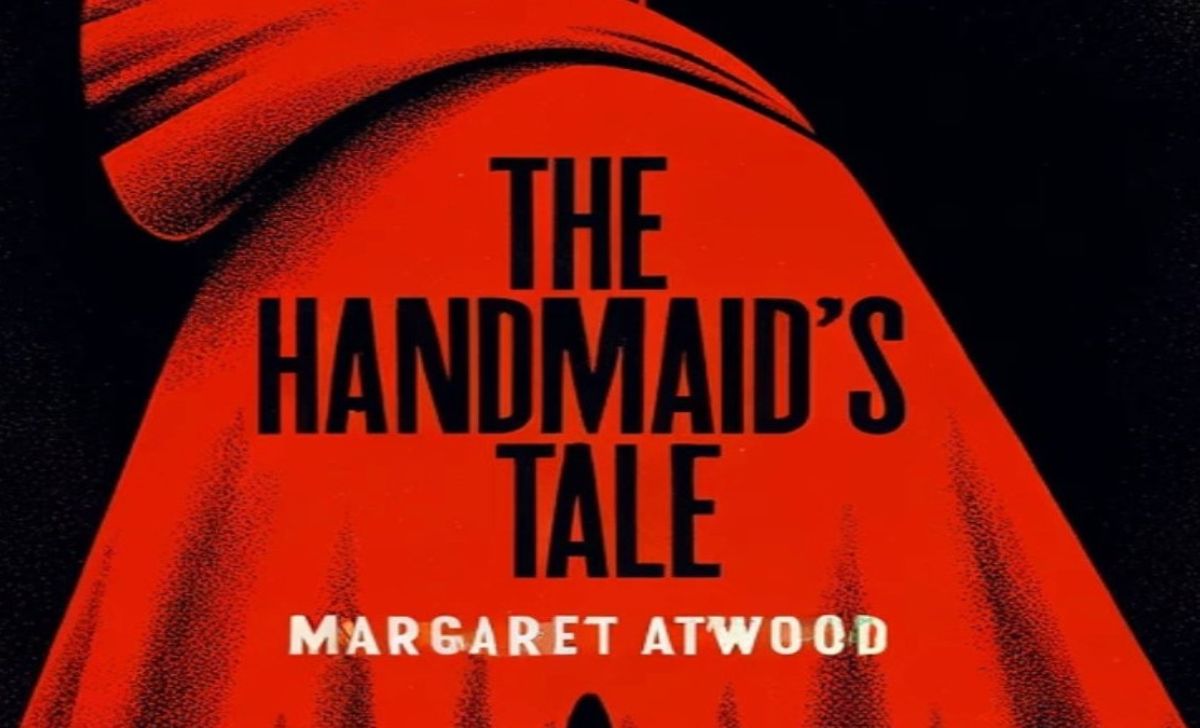
When Margaret Atwood released The Handmaid’s Tale in 1985, readers were confronted with a chilling possibility: what if the clock of progress turned backward, and freedoms once fought for were stripped away? Set in a near-future United States transformed into the Republic of Gilead, the novel imagines a society where religious fundamentalists seize control through a coup and establish a theocracy. While men technically live under its rules, in practice, the structure overwhelmingly benefits a select group of powerful men, reducing women to rigidly defined roles.
Atwood classified her work as speculative fiction, not fantasy. That distinction matters. Instead of inventing an impossible future, she drew directly from historical precedents, grounding Gilead’s horrors in things humanity had already done.
Utopia and Dystopia: Two Sides of the Same Coin
Atwood’s novel belongs to the long tradition of utopian and dystopian writing. Utopian works often serve as blueprints, painting an image of a society worth striving toward—orderly, fair, and harmonious. Dystopias, however, do not necessarily predict an apocalyptic ending. They act as warnings, showing how unchecked ideologies, complacency, or political extremism can pave the way for oppression.
In the case of The Handmaid’s Tale, Atwood looked at the rise of conservative counter-movements during the 1980s that resisted gains made by second-wave feminism. Instead of imagining steady progress, she envisioned a nightmare where such movements not only halted equality but completely reversed it—forcing women into subservience.
Life Under the Republic of Gilead
In Gilead, women’s roles are determined entirely by function. Their identities vanish under state-imposed classifications:
- Handmaids are fertile women tasked with bearing children for the elite.
- Wives of commanders maintain status but live under strict domestic expectations.
- Marthas handle household labor.
- Aunts enforce the regime’s rules upon other women.
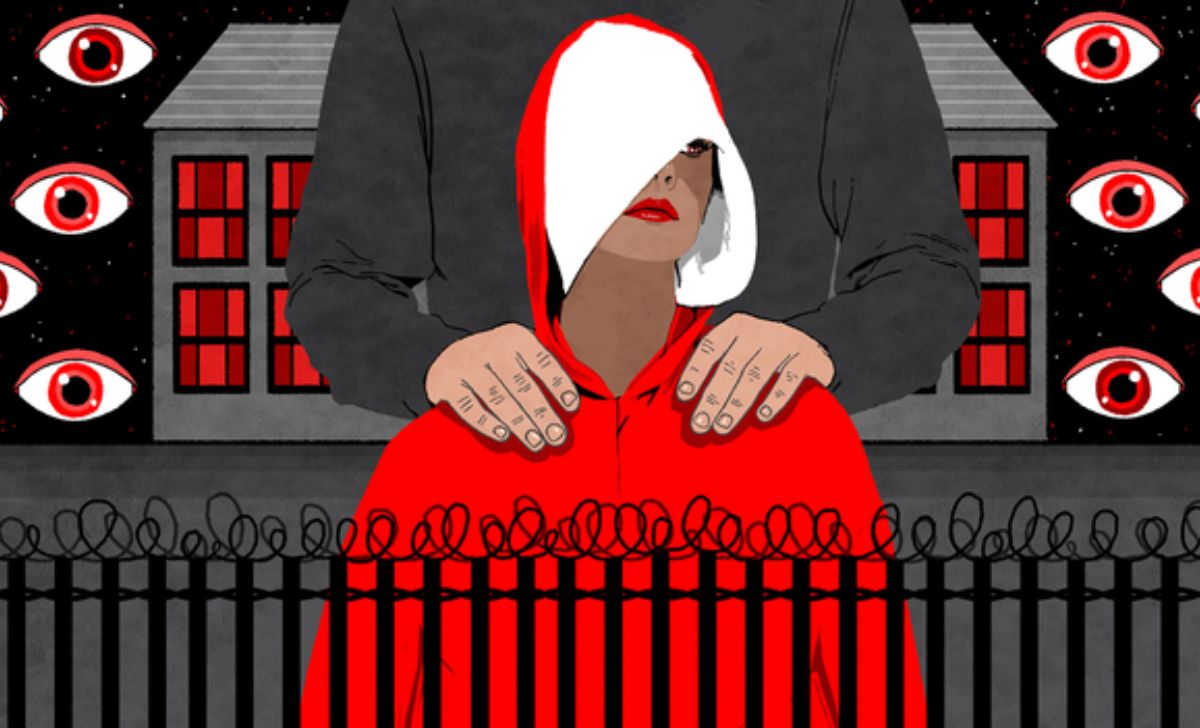
Every class is visually coded by clothing colors, turning women into walking symbols of ownership and function. Literacy is forbidden, freedom of movement is stripped away, and fertile women are subjected to ritualized sexual coercion in the name of reproduction.
This rigid system echoes earlier historical practices. For instance, Atwood drew inspiration from Puritan New England, particularly Cambridge, Massachusetts—where strict moral codes, banishment of dissenters, and religious control over daily life shaped society. Gilead’s cold uniformity is not invented from nothing; it is history repeating in a darker form.
Atwood’s Personal Connection to History
Atwood’s decision to root her dystopia in the real world wasn’t purely academic. She had studied the Puritans extensively at Harvard, and her own ancestry may trace back to Mary Webster, a woman accused of witchcraft in the 1600s who survived her attempted execution. That historical link gave Atwood’s fictional theocracy even sharper edges, as though she were both warning readers of the future and reminding them of the past.
Offred: A Story Told from Captivity
The novel unfolds through the eyes of Offred, a woman stripped of her family, her name, and her independence. Once a wife, a mother, and a working professional, she becomes nothing more than “a two-legged womb” under Gilead’s system. Her survival depends on compliance, but even within that compliance, she maintains an inner life that resists erasure.
Language becomes her quiet rebellion. At one point, Offred notes, “I compose myself. My self is a thing I must compose, as one composes a speech.” In Gilead, identity is under siege, but through words and memory, she preserves fragments of who she is. This internal act of resistance carries the suggestion that rebellion is possible—even when outward defiance seems impossible.
Why The Handmaid’s Tale Still Resonates
Atwood’s narrative is not simply about futuristic horrors; it’s about how societies can slide toward repression when fear and power go unchecked. The novel highlights the dangers of complacency—how easily freedoms can be taken away when people surrender them in the name of stability or security.
The enduring relevance of The Handmaid’s Tale lies in its universal themes: the misuse of power, the vulnerability of human rights, and the strength found in resistance. Offred’s story reminds us that even under crushing control, the act of remembering, narrating, and imagining alternatives can itself be a form of defiance.
A Dystopian Mirror for Our Time
Margaret Atwood didn’t just create a fictional nightmare—she held up a mirror to history and asked readers to consider how quickly progress can unravel. The Handmaid’s Tale may be set in Gilead, but its warnings extend far beyond its pages. It challenges us to recognize the signs of repression, question the structures of power, and remember that silence is not neutrality—it is permission.
In that sense, Atwood’s dystopia is not merely a bleak forecast. It is also a call to vigilance, urging us to guard against any future that tries to reduce humanity to color-coded uniforms and stripped identities.