

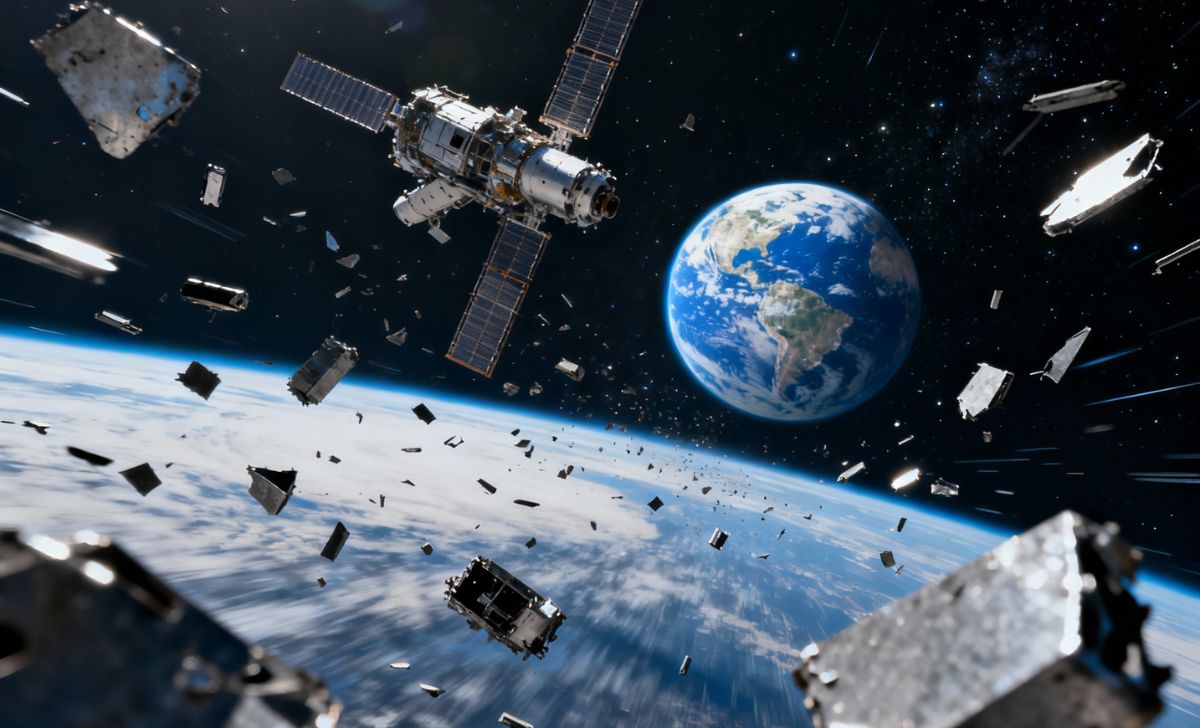
In the summer of 1969, Neil Armstrong and Buzz Aldrin made history by leaving the first human footprints on the lunar surface. Alongside that iconic achievement, they also left two pairs of boots, a handful of tools, and even four vomit bags on the moon. These seemingly mundane objects were the first of what would become a growing collection of discarded human artifacts in space—a quiet beginning to “Humanity’s Mess in Earth’s Final Frontier.” Since then, what started as harmless mementos has escalated into “The Growing Threat of Space Junk,” turning a symbol of human achievement into a pressing environmental concern that now looms over our orbit.
The Unintended Consequences of Exploration
From the earliest days of space flight, astronauts and engineers treated orbital litter as a relatively minor issue. However, as the volume and frequency of launches increased, accidental losses and abandoned equipment began to accumulate in Earth’s orbit. For example, in 2006, astronaut Suni Williams lost her camera while trying to free a stuck solar array on the International Space Station (ISS). In a strikingly similar incident the following year, a bag containing $100,000 worth of tools slipped away during another repair mission.
The Scale of the Debris Problem
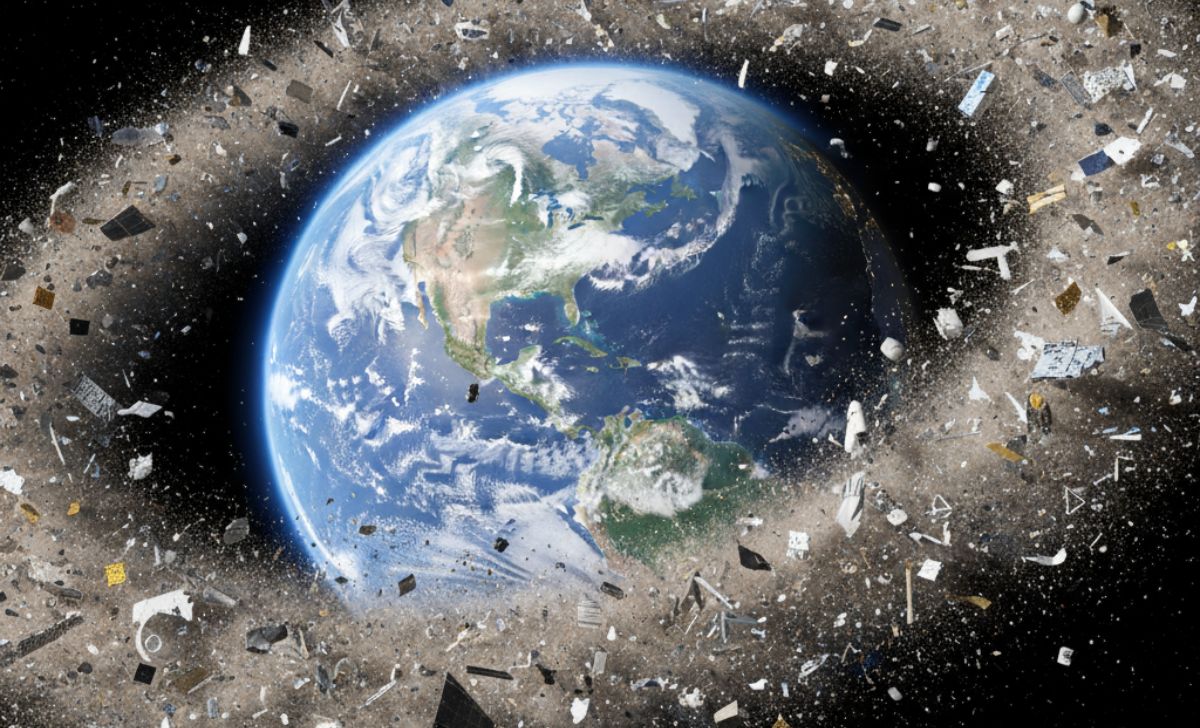
Today, space debris is not just a few lost cameras — it’s a colossal threat circling our planet. Currently, there are over 131 million pieces of debris, hurtling around Earth at average speeds of about 10 kilometers per second. This debris ranges in size from entire discarded rocket stages the size of buses, down to tiny flecks no bigger than a grain of sand. Most alarming of all, approximately 1 million pieces are at least one centimeter across – large enough to severely damage or even destroy functioning satellites upon impact.
Collision Course: Catastrophes Waiting to Happen
The hazards of space junk are not just theoretical. In 2009, an American communications satellite collided with a defunct Russian satellite, generating thousands of new debris fragments. Every time two objects crash in orbit, they risk creating yet more debris. This cycle can lead to what researchers call the Kessler syndrome: a catastrophic cascade where each collision generates more fragments, leading to increasingly frequent and destructive smash-ups. If unchecked, this effect could render whole sections of Earth’s orbit too dangerous for future spacecraft.
Earthly Impact: Should We Worry?
Given the scale of the debris field circling our planet, should people on Earth be concerned about falling space junk? Generally, the answer is no. Most space debris burns up during re-entry, vaporizing harmlessly as it streaks through the atmosphere. The odds of a wayward object landing in someone’s backyard are extremely remote. However, exceptions do occur. In August 2022, a SpaceX capsule broke up during re-entry, with large fragments landing intact in an Australian field. Incidents like these, although rare, will grow more common as the volume of orbital litter increases.
How Did We Get Here? Understanding the Sources of Space Junk
Space debris comes from many different sources, both accidental and routine. In addition to collisions, satellites and rockets shed debris through a variety of mechanisms:
- Solar radiation erodes spacecraft surfaces.
- Rocket motors eject slag and exhaust byproducts.
- Launches leave behind rocket bodies, shrouds, and other expendable hardware.
- Explosive separation bolts can send fragments spiraling off into space.
Since 1957, humanity has launched nearly 16,000 satellites into orbit, on the back of thousands of disposable rockets. Until recently, little thought was given to what happened to these components after they had served their purpose.
The Modern Response: Tackling the Trash Problem
Awareness of the problem has grown in recent years, prompting researchers and engineers to develop new solutions. One approach is to reduce future waste by making launches more efficient. Modern rockets can now deploy over a hundred satellites on a single trip, cutting down on the number of discarded stages and components. Another promising direction involves extending the useful life of satellites through the use of “servicer” satellites – robotic craft that can refuel, inspect, and repair existing equipment, preventing early retirement and reducing the rate at which satellites become debris.
Cleaning Up the Past: Removing Existing Junk
Efforts are also under way to eliminate the dangerous debris already orbiting our planet. When a satellite is decommissioned, engineers can perform a controlled re-entry, steering it into the atmosphere to burn up intentionally. Ideally, this would happen as soon as the satellite goes out of service. But in much of the world, regulations are lax, and derelict satellites are left to drift for up to 25 years. Enforcement of these rules is inconsistent, which means a vast number of “zombie” satellites remain aloft.
Researchers have flagged certain pieces of debris as especially dangerous, and prioritized their removal. Some proposed solutions include:
- Earth- and space-based lasers to nudge small pieces toward safer orbits or into the atmosphere.
- Specialized “space tugboats” that could latch onto and tow large derelicts into graveyard orbits, or speed up their re-entry.
- Using nets, harpoons, or robotic arms to collect multiple fragments in a single mission.
The Regulatory Challenge: Keeping Rules in Orbit
Current international guidelines require that retired satellites be removed from orbit within 25 years. Unfortunately, these policies are not strictly enforced, especially outside the United States. As space becomes more crowded, the need for coordinated international regulation and active debris management becomes more urgent than ever. Without unified rules and consistent enforcement, even the most advanced cleanup technologies will not be enough to keep the skies safe.
Private Sector Involvement: Innovation and Ambition
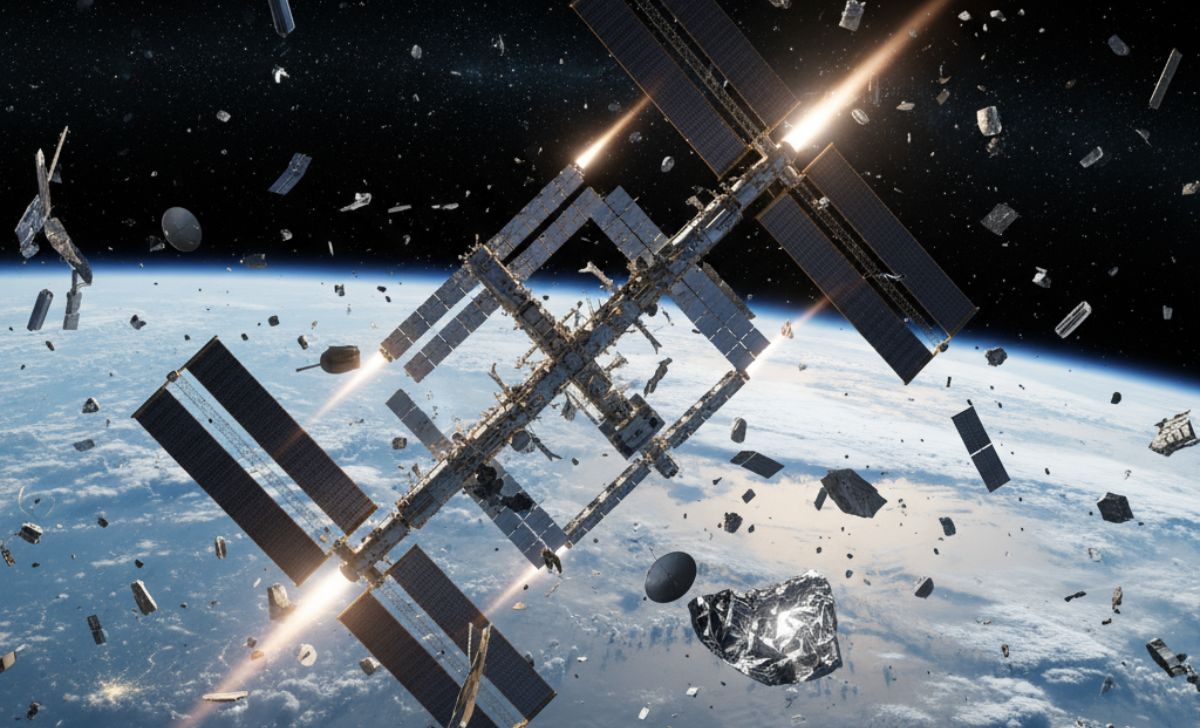
Increasingly, private companies are taking up the challenge of orbital debris. Industry innovators are developing new systems to track, avoid, and remove space junk. The infamous SpaceX Tesla Roadster, launched as a publicity stunt, serves as a symbol of how even intentional “trophies” can become part of the clutter. Private sector initiatives include cleaner, reusable launch systems, innovations in satellite design, and expansion towards in-orbit repairs rather than replacement. The hope is that commercial interest in a sustainable space environment will align with the public need for safety and order.
Reflections: Space Junk Mirrors Earthly Excess
The proliferation of space debris is a reflection of human behavior – a mirror to our tendency to leave a trail of waste wherever we go. Every piece of trash in orbit is a reminder that exploring and exploiting new frontiers also brings responsibilities. The fate of Earth’s orbital environment is inseparable from our stewardship of the planet itself. If we wish to continue benefiting from and exploring space, we must develop better systems for cleaning up our technological mess, both above us and on the ground.
Conclusion: Charting a Cleaner Path Forward
The story of space junk is still being written. From lost cameras to abandoned rocket bodies, every piece of debris tells a story about humanity’s ambitions and oversights. The dangers are real, but so are the solutions. By investing in smarter technologies, enforcing stricter regulations, and fostering global cooperation, we can preserve the promise of space for generations to come. The challenge is clear: to keep exploring the final frontier, we must become much more diligent custodians of the space environment. Our future in orbit depends on it.