

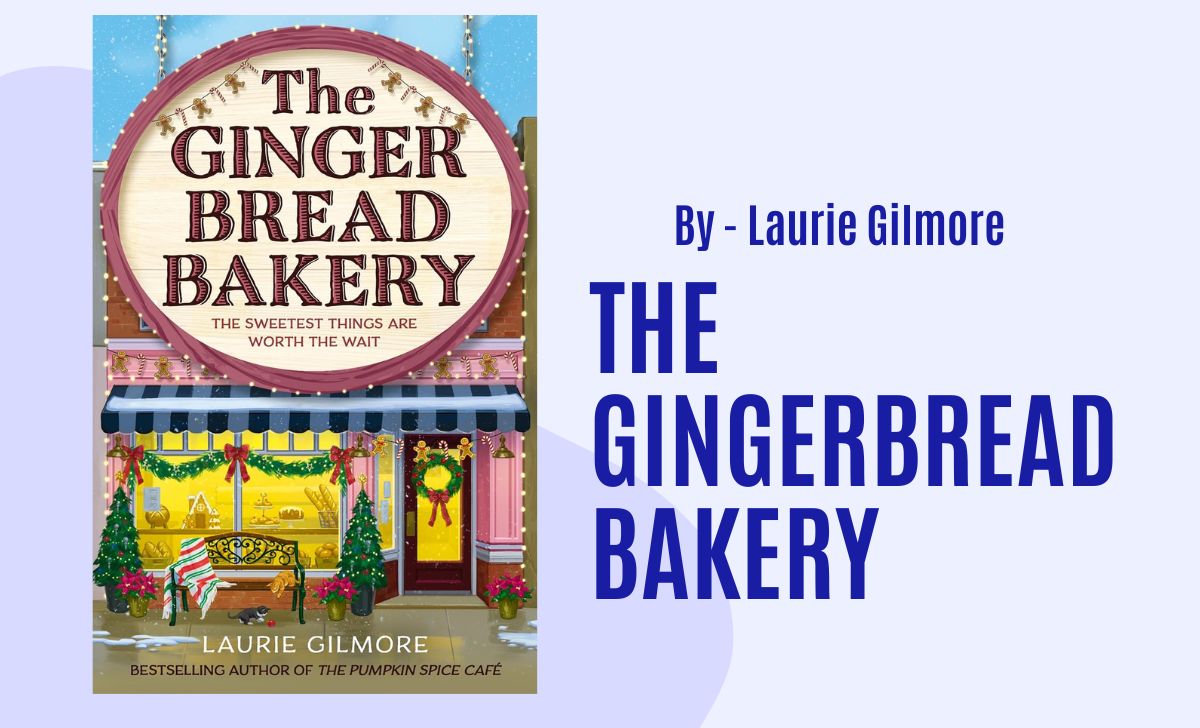
Laurie Gilmore’s The Gingerbread Bakery brings readers back to Dream Harbor, the small, character-filled town that has become a safe harbor for cozy-romance fans. This is a book built for people who love familiar faces, warm holiday settings, and the push-and-pull tension of an enemies-to-lovers romance. In what follows I’ll summarize the plot, unpack the emotional core of the story, and give an honest appraisal of what works and what falls short — all while keeping spoilers minimal except where plot beats are necessary for context.
Plot overview
The Gingerbread Bakery centers on Annie, Dream Harbor’s beloved baker, and Mac, the proprietorial owner of the town pub. The pair have butted heads throughout the series — running on misunderstandings, territorial tiffs, and a history of half-spoken grievances — and this installment is the book that finally forces them to face what’s been simmering under the surface. The story takes place during the run-up to a communal event (a hallmark of Gilmore’s series), where Annie’s bakery becomes a community focal point and where Annie and Mac must cooperate despite their stubbornness.
The plot moves from friction to forced proximity to mutual recognition; along the way, family and friends from Dream Harbor show up to complicate and enrich the narrative. There are emotional reckonings, small revelations about the protagonists’ pasts, and a satisfying romantic arc that privileges character growth as much as heat. This is very much a BookTok-friendly cozy: it’s snug, sugary, and built around warm rituals — baking, holiday gatherings, and the slow thaw of two stubborn people.
Characters: who carries the story
Annie is sympathetic because her motivations are clear: she’s devoted to her craft and to the people she loves, but she also carries disappointments that inform her cautiousness. Mac’s gruff exterior softens as the book progresses; Gilmore uses small gestures and dialogue beats to make his change feel earned rather than sudden. The supporting cast — returning faces from earlier Dream Harbor books — function as both comic relief and emotional ballast. Their presence enhances the sense of a lived-in town where everyone’s lives intersect.
What’s notable is that Gilmore writes found-family dynamics with affectionate detail. These side characters often provide the book’s warmest moments: quick, clever banter, hands-on help during crisis, or an offhand remark that reveals a truth the main characters can’t yet see. For readers who follow the series, these cameos read like catching up with old friends; for newcomers, they’re inviting enough to make you curious about previous installments.
Tone, style, and pacing
The tone is cozy with spicy flashes — a balance Gilmore has honed across earlier Dream Harbor entries. Descriptive passages about baking and small-town rituals create sensory comfort: flour dust in the air, the smell of sugar caramelizing, the hum of a busy morning at the bakery. Dialogue is brisk and often funny, which helps maintain forward momentum when introspection slows the pace.
Pacing is deliberate. The novel doesn’t rush emotional payoffs; it gives weight to awkward conversations and the incremental dismantling of old resentments. That will please readers who savor slow-burn romance — but if you prefer instant fireworks or a plot that moves at high speed, the book can feel gently plodding in places. Reader reactions reflect this split: many praise the warmth and character detail, while a few wished for a tighter third act.
Themes and emotional core
At its heart, the book is about second chances — not only romantic ones, but the chance to reframe one’s identity within a community. Forgiveness, pride, and the work of rebuilding trust are recurring themes, threaded through domestic rituals like baking (Annie’s domain) and shared community events. Gilmore also explores how public personae and private vulnerabilities collide: characters put on bravado in the marketplace but show their softer selves in quiet moments.
The novel’s emotional power comes less from plot shocks and more from the writing’s willingness to sit in discomfort. One of the story’s strengths is that reconciliations arise from conversation and small kindnesses rather than melodramatic grand gestures, which makes the final emotional payoff feel earned.
Strengths: why readers will love it
- Atmosphere: The Dream Harbor setting is vivid and comforting. If you like books that read like a warm blanket, this is it.
- Character chemistry: Annie and Mac’s friction slowly shifts into real chemistry that’s grounded in mutual respect by the end.
- Series payoff: Fans of the Dream Harbor books get satisfying callbacks and cameos that reward long-time readers.
- Sensory detail: Gilmore excels at tactile descriptions (baking scenes, holiday prep), which sell the cozy vibe.
Weaknesses: what might not land for everyone
- Predictability: The primary arc follows familiar romance beats. If you read widely in the genre, you may anticipate certain turns.
- Occasional lengthiness: The novel’s patient pacing is a feature for some readers and a drawback for others; a few scenes could be tightened without losing emotional weight.
- Dependent on series familiarity: While the book can be read standalone, new readers might miss some nuance from earlier installments.
Final verdict
The Gingerbread Bakery is a gentle, well-crafted entry in the Dream Harbor series that will delight readers who adore cozy, small-town romance with heat and heart. It’s especially satisfying if you appreciate slow emotional work, found-family warmth, and the sensory pleasures of books about food and seasonal rituals. The story isn’t revolutionary — it doesn’t need to be — but it does exactly what fans want: it wraps its characters in compassion and brings them to a believable, tender conclusion. For that reason, I’d recommend it to anyone who wants a comfort read with actual emotional stakes.