
Wolverine’s claws are among the most iconic and instantly recognizable weapons in all of comic book history. Whether you’re watching him slash through enemies on the big screen, flipping through the pages of a comic, or diving into animated shows, those deadly blades are at the heart of everything that makes Logan such a legendary figure. But while most fans recognize them as adamantium claws, the story behind them is a fascinating journey involving bone, metal, science experiments, and even a brush with the Phoenix Force. Let’s break down the full origin and evolution of Wolverine’s claws, as explained through comics—and yes, even a bit of Hugh Jackman’s legacy.
Wolverine’s First Appearance: A Mutant with Diamond-Hard Claws
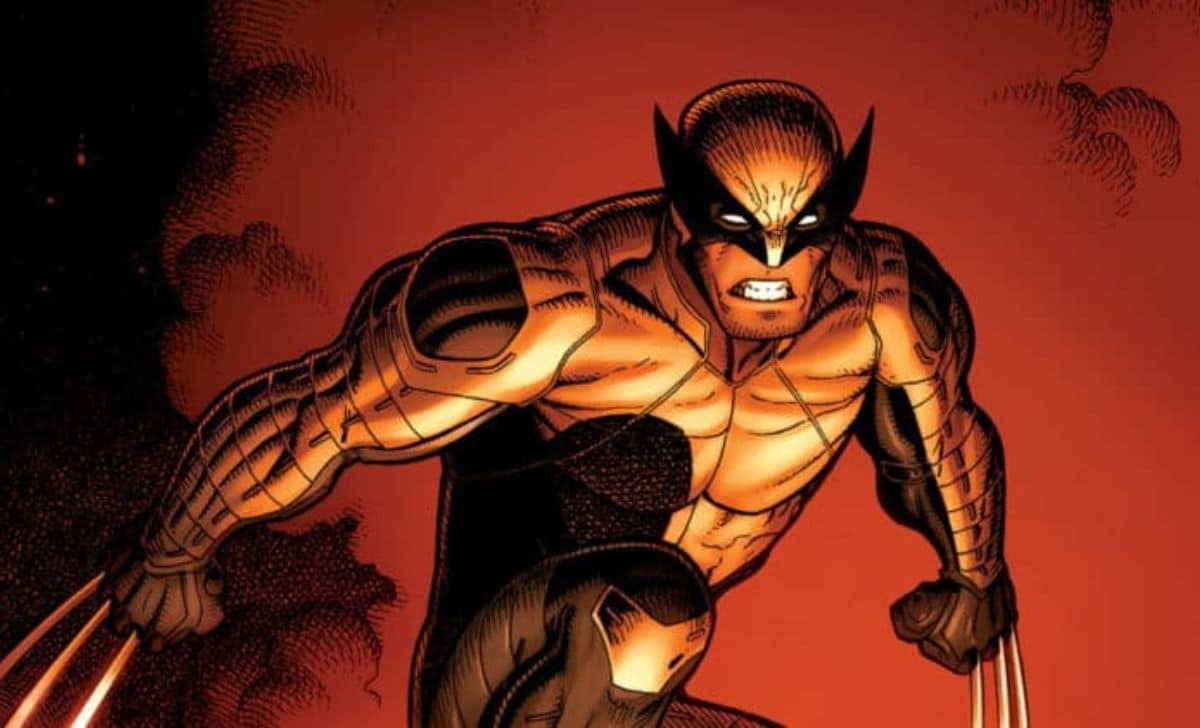
Wolverine first burst onto the scene in The Incredible Hulk #181. On the cover, he’s already flashing those infamous claws, and just two pages in, he’s describing them as “diamond-hard adamantium.” Facing off against both the Hulk and the Wendigo, Wolverine makes an immediate impression. What’s interesting is that, back then, readers didn’t even know he was a mutant.
Though Wolverine already claimed his claws were made of adamantium, the truth about their origin wouldn’t come out until much later.
The Truth Revealed: Bone Before Adamantium
While fans initially believed Wolverine’s claws were always metal, later stories rewrote his origin. In Wolverine: The Origin #2, we learn that his claws were actually bone all along.
Wolverine was born James Howlett, the illegitimate son of a wealthy Canadian family. It’s heavily implied that his biological father was Thomas Logan, the family’s violent groundskeeper. During a traumatic night, young James witnessed Thomas kill his stepfather. The emotional shock activated his mutant gene for the first time—and with that, his bone claws erupted violently from his hands. In a rage, James stabbed and killed Thomas, not realizing he had just slain his real father.
Devastated and afraid, James fled his home and took on the name “Logan,” leaving his old life behind. This moment marked the true beginning of the man who would become Wolverine.
Weapon X and the Adamantium Bonding
Logan’s feral lifestyle eventually led him into the hands of the Weapon X Program—a secret joint effort between the U.S. and Canadian governments. Scientists like Professor Thornton, Dr. Abraham Cornelius, and Carol Hines saw potential in Logan’s healing factor, which allowed him to survive things that would kill ordinary humans.
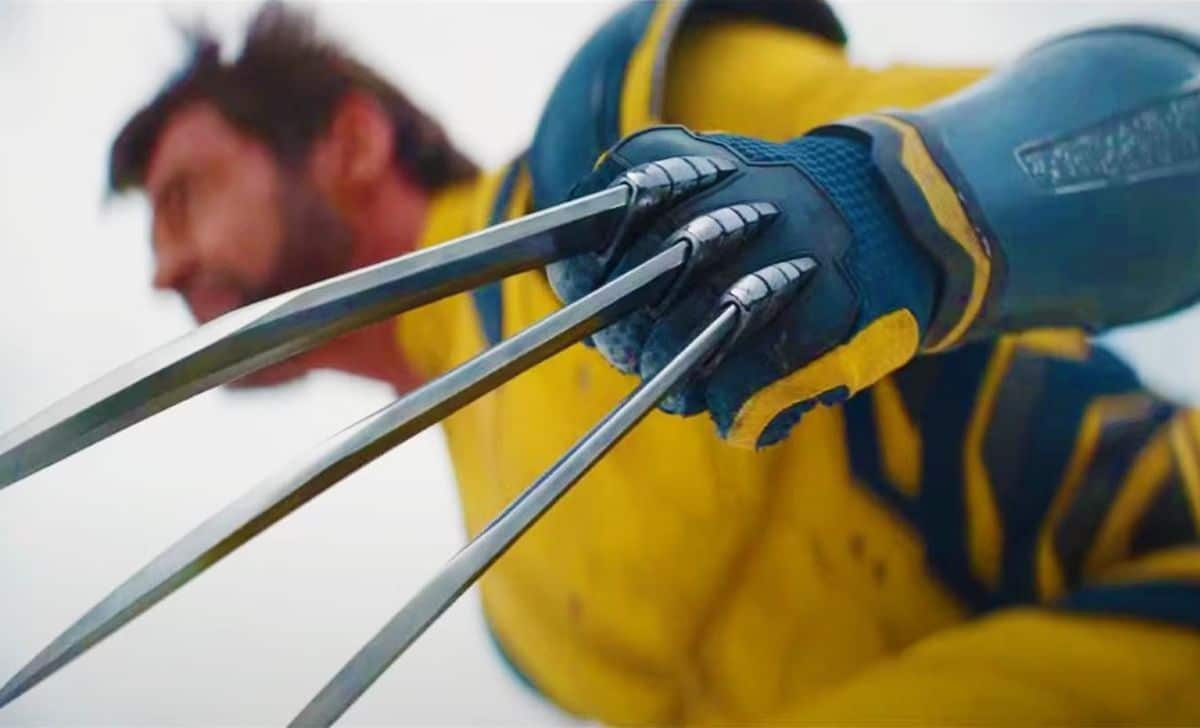
At their facility deep in the Canadian wilderness, they conducted a brutal and invasive experiment: bonding the nearly indestructible metal adamantium to his skeleton, including his claws. The process was so painful and deadly that no one but Logan could have survived it.
When he emerged, Wolverine’s bone claws were now coated in adamantium, transforming them into razor-sharp, indestructible weapons capable of slicing through almost anything—from steel to stone, even the Hulk and Thanos.
The Red-Hot Claws: Wolverine’s Short-Lived Power Boost
But that wasn’t the final evolution of his claws.
During the Hunt for Wolverine storyline, Logan returned from the dead—but something was different. His claws now glowed red-hot with searing heat every time he unsheathed them. Initially, this new power was thought to be connected to the Phoenix Force. However, it was later revealed that resurrecting Logan had overloaded his healing factor, causing heat to manifest through his claws.
While a cool visual concept, the red-hot claws weren’t very popular with fans and were quietly phased out not long after.
A Painful Truth: Claws That Always Hurt
One important detail often overlooked is just how painful it is for Wolverine to use his claws. Each time he extends them, they tear through the skin between his knuckles, piercing his own flesh. His healing factor allows him to recover almost instantly, but the pain is still very real. Even Hugh Jackman’s portrayal of Wolverine made a point to show that this isn’t a painless power.
Bone vs. Adamantium: How They Compare
Wolverine’s original bone claws were strong—dense enough to cut through flesh, wood, and even some metals. Think of them like elephant tusks or rhino horns: incredibly tough, but not indestructible. When fused with adamantium, though, they became virtually unbreakable and could pierce even the strongest opponents.
With adamantium claws, Wolverine has sliced through beings like Thor, Gladiator, Hulk, and even Thanos. Few weapons in Marvel history come close to matching that level of sheer destructive capability.

Almost Called… The Badger?
Here’s a fun bit of trivia: Wolverine almost had a completely different name. When Marvel writer Len Wein was tasked with creating a Canadian superhero, he wanted the character’s name to reflect a fierce Canadian animal. The final two options? Wolverine or… Badger.
Thankfully, Wolverine won out. Let’s face it—”The Badger” just doesn’t carry the same weight. It’s like DC’s “Catman”—cool idea, poor execution. John Romita Sr. helped finalize the design, making Wolverine short, stocky, and adding his now-iconic claws and costume. And just like that, a legend was born.
Why We All Pretended to Be Wolverine
Let’s be honest: if you ever stuck pencils between your fingers as a kid and growled, you were channeling your inner Wolverine. His claws didn’t just define him—they defined a generation of superhero fans.
They represent more than just a physical weapon; they symbolize his pain, his past, and his power. From traumatic childhood trauma to cutting-edge science experiments, Logan’s claws are more than metal—they’re a reflection of the man himself.