
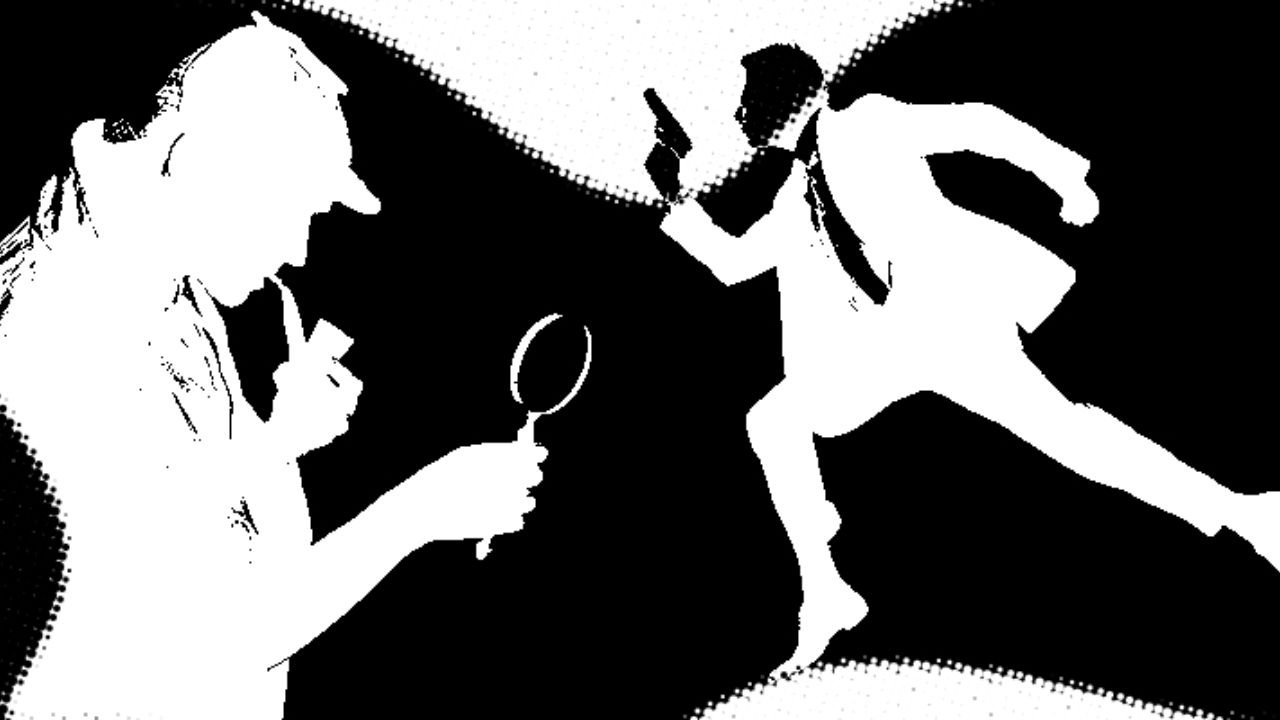
There’s a particular thrill in watching two sharp minds circle each other. One hunts. One hides. And somewhere between them lies a fragile line separating control from collapse. The “cat-and-mouse” dynamic has powered crime fiction for generations, but in modern psychological thrillers, it has transformed into something far more intimate and unsettling. What was once a physical chase through shadowy streets has become a battle of perception, manipulation, and moral ambiguity. Today’s cat-and-mouse is no longer just about catching the killer. It’s about understanding them — and sometimes realizing the hunter and hunted are disturbingly alike.
From Physical Pursuit to Psychological Warfare
In classic detective fiction and early thrillers, the cat-and-mouse structure was direct and external. A criminal committed a crime. A detective followed the clues. The suspense came from movement — train stations, alleyways, ticking clocks, and last-minute revelations. The emphasis was on intellect and deduction, but the battleground was physical space. The “mouse” ran. The “cat” pursued.
Modern psychological thrillers shifted that focus inward. Instead of a visible chase, we now get intellectual duels, conversations laced with hidden motives, and protagonists who question their own perceptions. The conflict unfolds not across cities, but inside minds. The result? A slower, more intimate game — and often a far more disturbing one.
The Intellectual Duel: When Conversation Becomes Combat
Few films embody the psychological evolution of the trope better than The Silence of the Lambs. On the surface, it’s about an FBI trainee hunting a serial killer. But the film’s most electrifying cat-and-mouse dynamic isn’t between Clarice Starling and Buffalo Bill — it’s between Clarice and Hannibal Lecter. Lecter is caged, physically powerless. Yet psychologically, he controls the rhythm of every exchange. The game unfolds through dialogue. He probes Clarice’s past. He extracts emotional truths. Information becomes currency. Here, the “cat” isn’t necessarily the one on the loose. Power shifts from scene to scene. Clarice needs Lecter. Lecter enjoys the chase of her mind. The duel becomes mutual.
Similarly, Se7en reframes the cat-and-mouse dynamic as a philosophical confrontation. The killer stages crimes around the seven deadly sins, forcing detectives to confront moral decay in the world around them. The pursuit is less about catching a murderer and more about surviving his worldview. By the time the final act unfolds, the mouse has lured the cats into his trap. The audience realizes the chase was orchestrated all along. This marks a turning point in the trope: the hunted can be in control.
Obsession as the Real Antagonist
Another evolution appears in stories where the chase consumes the hunter. In Zodiac, the investigation stretches across decades. The killer remains elusive, but the obsession to identify him corrodes the investigators’ personal lives. The cat never quite catches the mouse. Instead, the hunt becomes the story.
This shift reflects a broader modern anxiety: sometimes there is no neat resolution. The puzzle doesn’t always close. Justice isn’t guaranteed. Psychological thrillers lean into that discomfort, allowing ambiguity to replace triumph. In these narratives, the true enemy isn’t the criminal — it’s obsession itself.

Domestic Noir: When the Game Moves Indoors
Perhaps the most striking reinvention of the trope comes from domestic thrillers, where the battleground is no longer a city but a marriage. Gone Girl exemplifies this transformation. The disappearance of Amy Dunne triggers a media frenzy and police investigation, but the real cat-and-mouse unfolds between Amy and Nick.
Each constructs a narrative. Each manipulates perception. The audience becomes part of the chase, forced to reconsider loyalties as truths unravel. In domestic noir, intimacy is weaponized. The people who know you best are best equipped to destroy you. The cat doesn’t chase from a distance; it sleeps beside you. The tension stems from proximity. There is no safe distance between predator and prey.
Blurred Roles: Who Is the Cat, Really?
Modern thrillers often dismantle the clean division between hunter and hunted. Roles shift. Allegiances blur. In Killing Eve, the relationship between intelligence officer Eve Polastri and assassin Villanelle turns into a charged dance of fascination. At times Eve pursues. At times she is drawn in. The lines between admiration and danger collapse. The cat may envy the mouse. The mouse may crave the attention of the cat.
This mutual obsession adds layers absent from earlier thrillers. The game is no longer about justice alone; it’s about identity, desire, and power. Likewise, True Detective stretches the pursuit across years, showing how a prolonged chase reshapes those involved. The psychological toll becomes as significant as the mystery itself. Here, the hunt doesn’t just catch criminals. It changes the hunters.
The Rise of the Unreliable Perspective
One of the most powerful tools in modern psychological thrillers is narrative instability. By making narrators unreliable, creators complicate the cat-and-mouse structure. Readers can no longer be certain who is predator and who is prey. Memory becomes suspect. Motives are obscured. Truth feels slippery.
This technique transforms the audience into participants. We are no longer passive observers of a chase — we are decoding, doubting, and reassessing constantly. The mouse may be lying. The cat may be deluded. And we may be wrong about both.
Technology Changes the Game
Surveillance cameras, digital footprints, social media — technology has reshaped the mechanics of pursuit. In older thrillers, hiding required physical escape. In modern ones, concealment requires digital erasure. Yet technology also deepens psychological tension. Characters stalk each other online. They manipulate public perception. They construct alternate identities. The chase becomes less about distance and more about exposure. In a world where everyone leaves traces, the question shifts from “Where are you?” to “Who are you pretending to be?”
Gender and Power in the Modern Chase
Contemporary thrillers also interrogate who gets to be the hunter. Earlier narratives often placed male detectives against male criminals, with women in supporting roles. Modern psychological thrillers complicate that dynamic. Women occupy both positions — hunter and hunted — and sometimes wield perceived vulnerability as strategic leverage.
This shift challenges traditional power hierarchies. It also enriches the cat-and-mouse framework, allowing for layered explorations of control, perception, and expectation. The psychological battlefield becomes a site of social commentary as well as suspense.
Why the Trope Endures
Despite its evolution, the cat-and-mouse structure remains compelling because it mirrors something deeply human: the tension between concealment and revelation. We are fascinated by hidden truths. We are drawn to mind games. We are unsettled by the idea that intelligence can be weaponized.
Modern psychological thrillers intensify these elements. They ask us to sit with ambiguity. They force us to question loyalty. They blur morality. And often, they deny us easy closure.
When the Game Goes Too Far
Not every reinvention succeeds. Some stories mistake cruelty for complexity. Others rely too heavily on shock twists without laying psychological groundwork. The most effective cat-and-mouse thrillers understand that cleverness alone isn’t enough. The duel must reveal character. The chase must cost something emotionally. Without stakes, the game feels hollow.
The Future of the Psychological Duel
The cat-and-mouse trope continues to evolve alongside cultural anxieties. As surveillance increases and identity becomes more fluid, psychological thrillers are likely to dig deeper into questions of authenticity and control. Future stories may further dissolve the distinction between hunter and hunted. They may focus less on crime and more on perception itself — who controls narrative, memory, and truth.
What remains constant is the tension between two minds locked in opposition. The cat circles. The mouse waits. And somewhere in between, the audience holds its breath.