

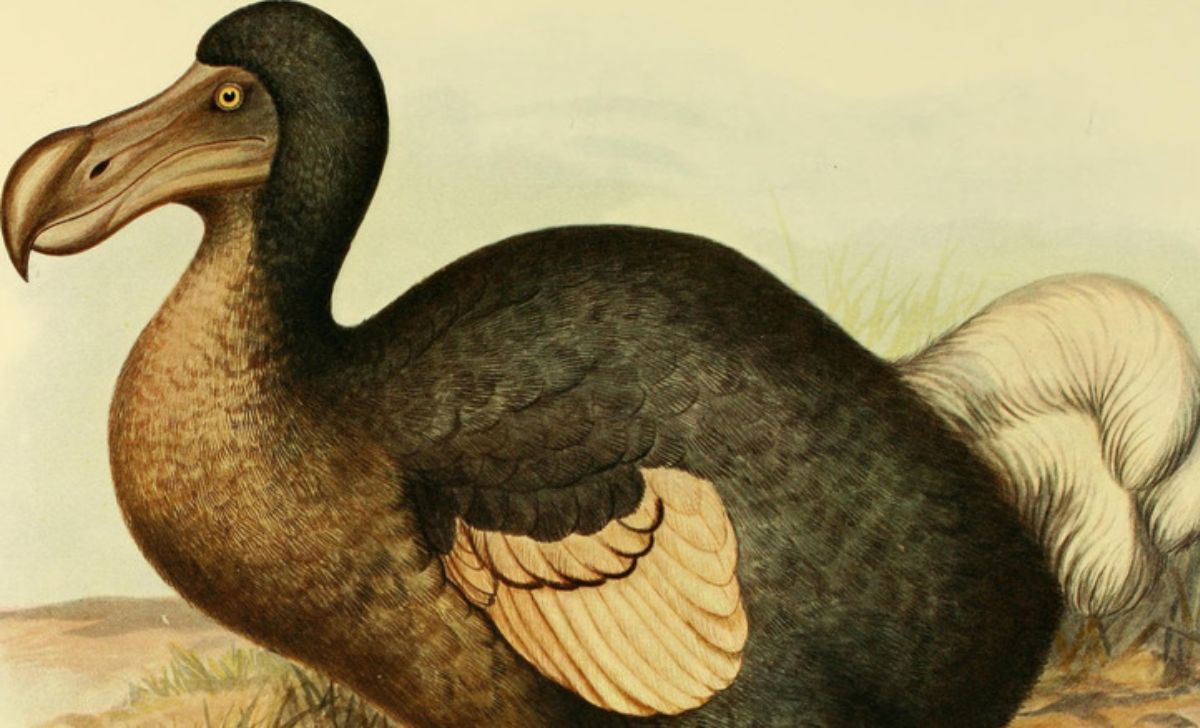
For generations, the dodo has been the go-to punchline: a bumbling, brainless bird “destined” to vanish. That story is neat—and wrong. The dodo wasn’t a mistake of evolution. It was a well-tuned island specialist that thrived for millennia. Its downfall didn’t come from laziness or stupidity; it came from a sudden shock the bird had no time to evolve around: us and the animals we brought along.
An island odyssey millions of years in the making
Rewind more than 20 million years. Tropical pigeons from Southeast Asia began hopping across the Indian Ocean, likely island by island, as currents and storms nudged them onward. Their descendants reached a remote chain east of Madagascar and diversified. About 8 million years ago, an undersea volcano punched up a new speck of land—Mauritius. Some of those birds colonized it, and from that lineage, the dodo eventually emerged, sharing the island with bats, lizards, giant tortoises, and other birds.
When predators disappear, wings become optional
Mauritius sat roughly 800 kilometers from the nearest large predators. With almost nothing around that could kill a hefty ground bird, elaborate defenses—especially flight—became wasted energy. Over time, the dodo’s flight muscles shrank and its body adapted to life on the forest floor. Think of other flightless masters of their niches, like the takahē of New Zealand or certain Pacific island rails: when danger fades, wings stop paying the bills.

Built for a wild, swinging climate
Dodos likely nested on the ground and foraged for fruits and seeds under the forest canopy. Standing just under a meter tall, they were among Mauritius’s biggest land animals. And they weren’t fragile. The island could flip between extreme dry and wet periods, and the dodo rode out those swings. Around 4,300 years ago, a megadrought hammered Mauritius. Fresh water dwindled; lakes likely turned salty and dangerous. Mass die-offs followed for many creatures, and the crisis dragged on for about 150 years. The dodo endured. That’s not the résumé of a doomed lightweight—it’s the track record of a survivor.
Then humans showed up (1598) and everything tilted
In 1598, Dutch sailors landed on Mauritius and quickly made it a regular stop for trade ships. They wrote about wonders: birds “twice as big as swans,” and tortoises so enormous that sailors boasted a shell could fit ten men. The local wildlife, having never learned to fear people, barely flinched as crews walked right up to them. Yes, some dodos ended up in cooking pots—but hunting alone wasn’t the fatal blow. The real disaster arrived in the holds and pockets of those ships.
It wasn’t dinner—it was the company we brought
Sailors released goats and pigs to create living larders for future voyages. They kept macaques as pets. And at some point, rats spilled ashore. Those introductions scrambled the island’s quiet balance. Goats and pigs tore through the understory where dodos lived and fed. Pigs, macaques, and rats raided ground nests for eggs and chicks. All of them competed with dodos for food. The pressure was sudden, intense, and everywhere at once. Less than a century after the Dutch first set foot on Mauritius, dodos were gone.
From “mythical” bird to cultural punchline
In the 1600s, people didn’t have a clear concept that a species could actually disappear. It wasn’t until the 1790s that a scientist conclusively argued for extinction. By then, the dodo had already slipped into rumor. Many even suspected the bird was a hoax. Later, digs and a handful of preserved remains confirmed it had been real. But the reputation that took hold in the late 1700s painted the dodo as stupid, gluttonous, and grotesque. When Lewis Carroll included a dodo in Alice’s Adventures in Wonderland (1865), the bird rocketed into pop culture—unfortunately, often as the mascot for mediocrity.
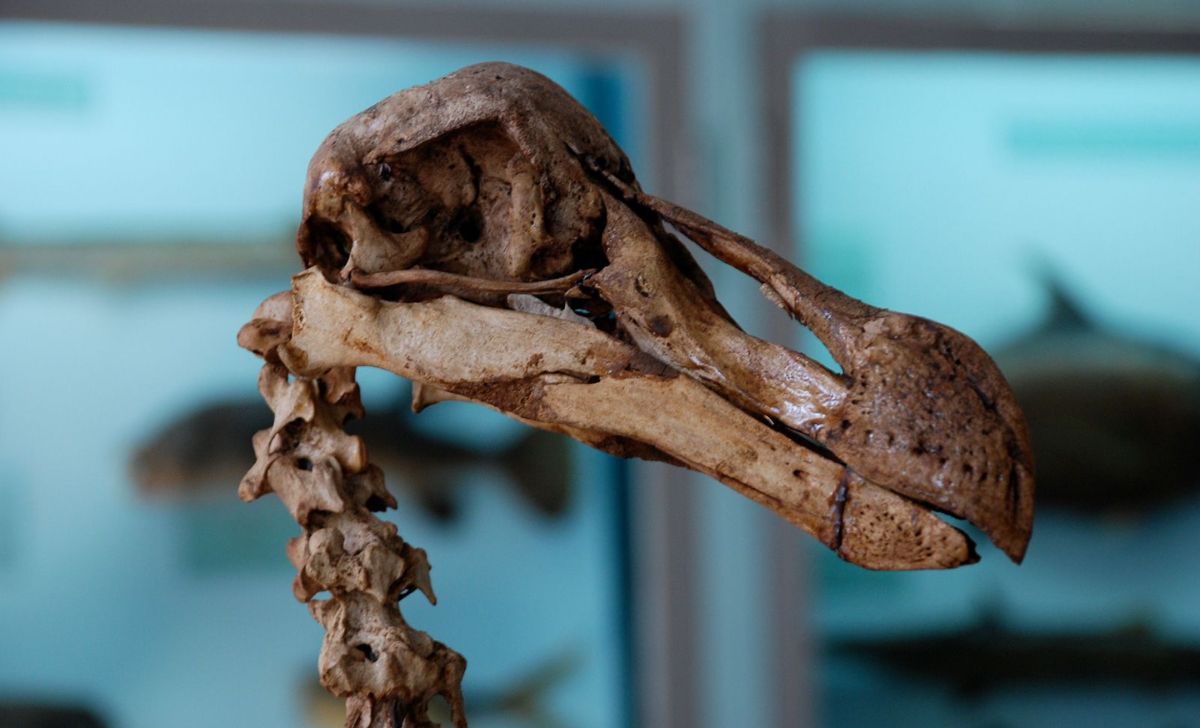
Brains, bodies, and those cartoonishly round paintings
There’s no evidence the dodo was dimmer than its relatives. Relative to its body, its brain size sits comfortably in pigeon territory. Those famously pudgy illustrations? They’re misleading. Some likely captured captive birds in poor condition, others might have frozen a moment from courtship display, and many were simply bad art. Anatomical evidence points to a bird that was more muscular than marshmallow.
The real lesson: invasives, not inevitability
If the dodo had a tragic flaw, it was the same one shared by many island specialists: superb adaptation to a stable, predator-free world. It had already survived massive natural disruptions—a megadrought among them. What it couldn’t survive was a rapid flood of invasive species and habitat battering it from every angle. Other Mauritian endemics—raven parrots, fruit bats, giant tortoises—also suffered under that onslaught. Blaming the dodo’s extinction on its supposed incompetence lets humans off the hook. The historical record tells a different story.