

When we think of supervillain teams in the DC Universe, one name instantly commands attention: the Legion of Doom. Unlike many other iconic groups, the Legion didn’t begin in the pages of a comic book—it was born from Saturday morning cartoons. Over the decades, it has evolved from an animated gimmick into one of the most formidable forces in DC Comics. Here’s the complete history of DC’s Legion of Doom—its origin, evolution, and ongoing legacy as one of the most notorious villainous leagues in comic book history.
From Animation to Infamy: The 1978 Debut
The Legion of Doom made their first appearance in the 1978 Challenge of the Super Friends animated series by Hanna-Barbera. Their debut came in the episode “Wanted: The Super Friends,” which aired on September 9, 1978. Created as evil counterparts to the Super Friends, the original Legion of Doom included:
- Lex Luthor (leader)
- Black Manta
- Giganta
- Toyman
- Riddler
- Bizarro
- Scarecrow
- Captain Cold
- Cheetah
- Solomon Grundy
- Gorilla Grodd
- Brainiac
- Sinestro
The show also introduced the now-iconic Hall of Doom, their swampy headquarters that rose from Slaughter Swamp just outside Gotham. It even had the eerie look of Darth Vader’s helmet, and yes, it could fly.
Interestingly, the Legion wasn’t originally called the “Legion of Doom.” The team was first intended to be the “League of Evil” led by Dr. Sivana, Captain Marvel’s nemesis. Plans changed due to rights issues and conflicts with other studios already producing shows featuring those characters.
Entering the Comic Canon: The 1990s Debut
It wasn’t until 1996—nearly two decades later—that the Legion of Doom officially entered DC Comics in Extreme Justice #17 and #18. This version had a different lineup, led by Brainwave Jr., and included:
- Killer Frost
- Major Force
- Madman
- A robotic version of Gorilla Grodd
While not as memorable as their animated origin, this marked their formal transition into comic book continuity.
A Nostalgic Return: Alex Ross’s Justice (2006)
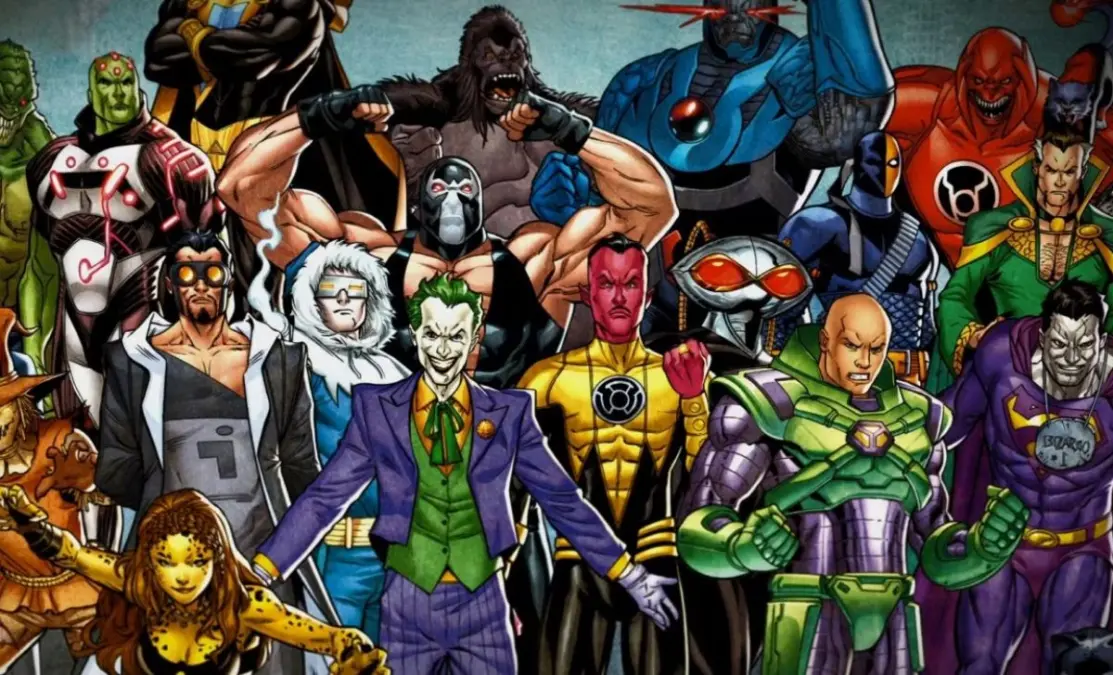
In 2006, the Legion came back in a big way thanks to the miniseries Justice, illustrated by the legendary Alex Ross, who was a huge fan of the original Super Friends. Naturally, Ross revived the classic lineup with familiar faces:
- Lex Luthor
- Brainiac
- Black Manta
- Captain Cold
- Cheetah
- Toyman
- Sinestro
- Scarecrow
- Bizarro
- Riddler
- Giganta
- Solomon Grundy
- Gorilla Grodd
And he didn’t stop there. Justice also included Black Adam, Clayface, Metallo, Poison Ivy, and Parasite, making the team feel like a complete rogues’ gallery. The premise? The villains are plagued by nightmares of a nuclear apocalypse that the Justice League fails to prevent. Convinced that the heroes will doom the world, they band together to defeat them—ironically believing they’re saving humanity in the process.
Reinventing Doom: Scott Snyder’s Justice League (2018)
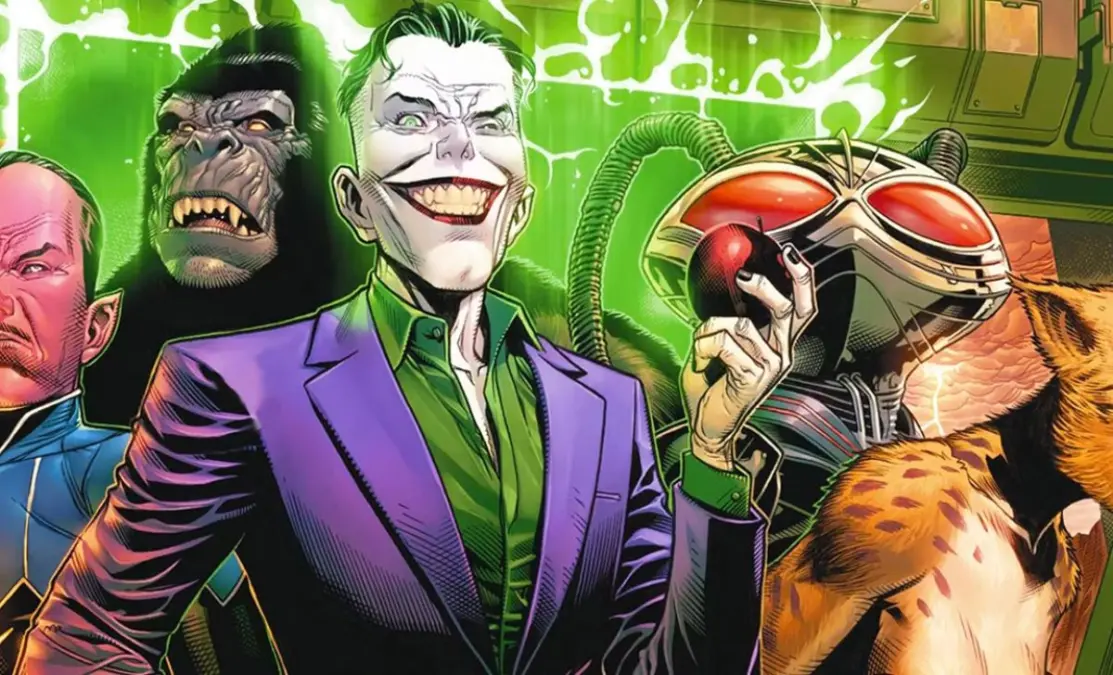
The Legion of Doom would return as major players in Scott Snyder and Jim Cheung’s 2018 Justice League run. In this version, Lex Luthor becomes obsessed with discovering the dark truths of the multiverse. He recruits a team of powerful villains after learning that the multiverse’s destiny is bound to doom.
This arc introduced a new concept: the Totality, a cosmic artifact that could reshape reality. It was a fragment from the destroyed Source Wall heading toward Earth. Luthor believed that seven specific villains were needed to unlock its secrets, each capable of channeling one of the seven hidden forces of the universe.
Some highlights:
- Gorilla Grodd tapped into the Still Force
- Sinestro mastered the Invisible Spectrum
- Joker and Luthor miniaturized themselves to secretly infiltrate Superman and Martian Manhunter’s bodies
- Batman and Hawkgirl raced to stop them
Although the villains managed to harness the Totality briefly, the heroes rallied. Flash accessed the Still Force, Hawkgirl absorbed the Totality’s power, and the object was taken to the Hall of Justice. The Legion’s first major battle ended in defeat—but the war was just beginning.
A Descent into Darkness: Death Metal and Beyond
With their initial plans thwarted, Luthor turned to his most dangerous ally—The Batman Who Laughs, held prisoner at the time. This alliance would soon spiral into the chaos of DC’s Death Metal storyline, where the multiverse unraveled, reshaping the fate of heroes and villains alike.
The Legion’s influence extended through this apocalyptic saga, showing just how deeply they had embedded themselves into the core of DC’s modern mythology.
The Legion’s Ever-Growing Power
What makes the Legion of Doom so fearsome is their ever-changing, ever-expanding roster. Over the years, nearly every major DC villain has joined the group at some point. In many ways, the Legion of Doom is the Justice League of Villains—a mirror image of everything the League stands for, but twisted.
From Luthor’s cold calculations to Grodd’s brute strength and Sinestro’s manipulation of fear, the Legion isn’t just powerful—they’re strategic, ruthless, and often terrifyingly unified in purpose.
Where to Start: Reading and Watching the Legion in Action
If you’re interested in exploring the Legion of Doom in-depth, here are some recommended starting points:
- Comics:
- Extreme Justice #17–18 (1996)
- Justice by Alex Ross (2006)
- Justice League (2018) by Scott Snyder
- Animation:
- Challenge of the Super Friends (1978)
- Justice League Unlimited
- Young Justice
Also Read: History of Mephisto In Marvel Comics