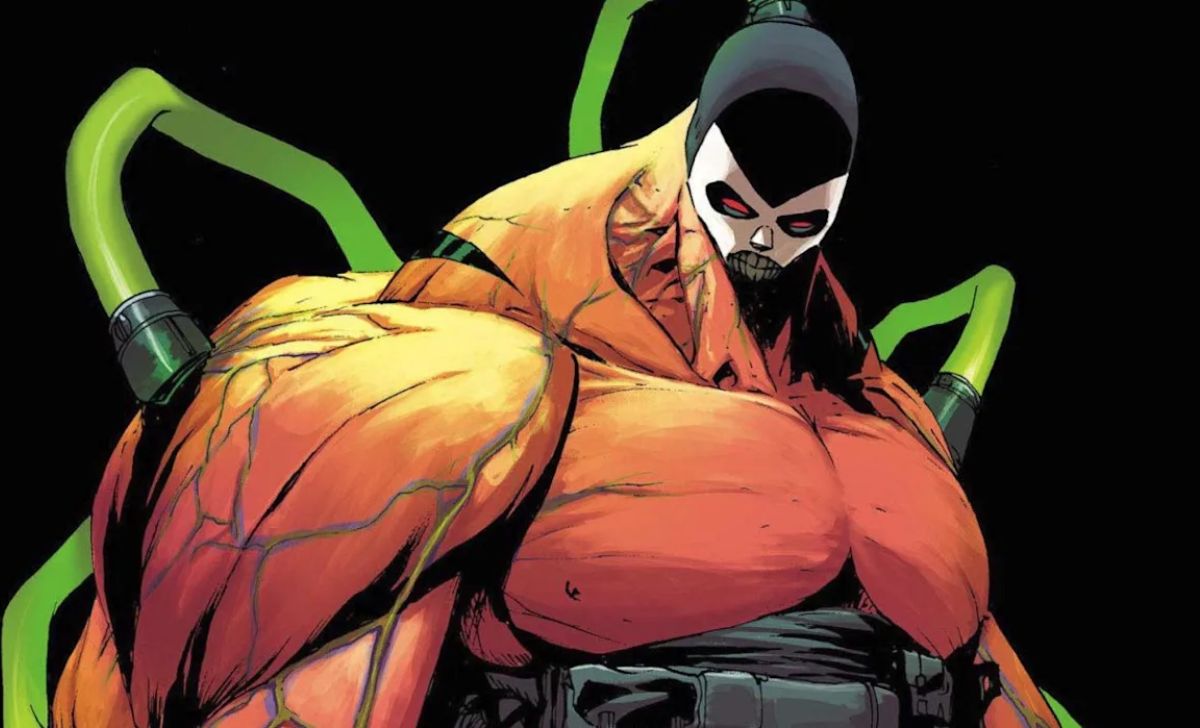
Few villains in Batman’s world embody sheer terror, brilliance, and tragedy quite like Bane. In Absolute Batman #11, his origin and clash with the Dark Knight are retold with such intensity that it feels less like a comic book and more like a myth being etched into Gotham’s history. What makes this issue stand out is how it weaves Alfred Pennyworth’s voice through the entire narrative—his monologue becoming both a confession and a warning. Let’s walk through this unforgettable story, where war, survival, and destiny collide.
Alfred’s Warning and the Shadow of Bane
The comic opens with Alfred reflecting on a moment he regrets deeply: when he should have warned Bruce Wayne about the monster waiting for him. Instead, he stayed silent, wishing him “good luck” like an old fool. Now, in this issue, Alfred recounts the story he should have told—the story of Bane.
What unfolds is not just a villain’s tale, but a chronicle of a boy shaped by endless conflict, cruelty, and survival.
The Birth of a Soldier on Santa Prisca
Bane’s story begins on the war-torn island of Santa Prisca, where his father led a rebellion for freedom. Generations of his family had fought for the island, and young Bane was expected to carry that dream. His father told him that one day their nation’s bird—the royal quetzal, a creature that cannot live in captivity—would soar free.
But instead of peace, the boy saw only visions of a terrible white bird with a skull-shaped back. That haunting image would become the defining symbol of his life.
Years in Hell: The Prison of Peña Duro
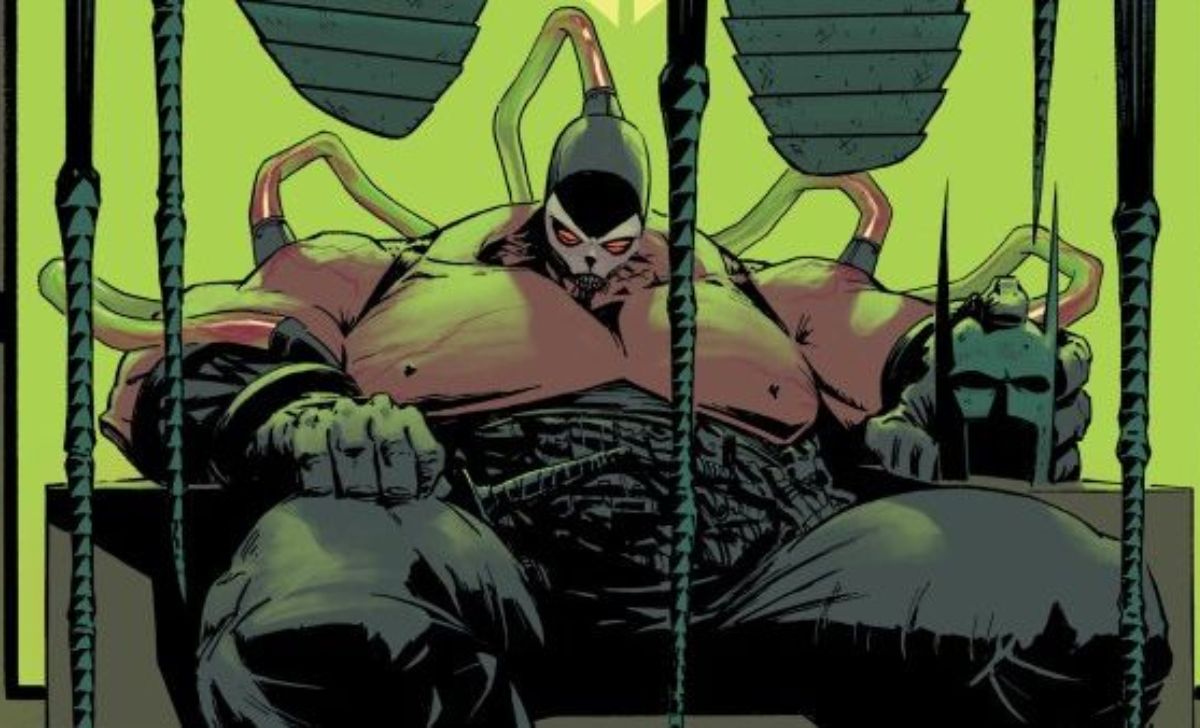
After their rebellion was crushed, Bane and his father were thrown into the notorious Peña Duro prison. It was a place where hope drowned—literally, as cold tides filled the cells at night, forcing prisoners to cling to life between waves and corpses.
The boy learned to survive by hanging from the cage ceiling, eating rats, and defending his father from betrayal. Each passing year hardened him, sharpening his mind as much as his body.
When he finally saw a picture of the quetzal—the bird his father idolized—he was struck by its weakness. It was small, fragile, unworthy of being a symbol of freedom. That realization shifted something in him. His destiny would not be about peace—it would be about power.
The Rise of Bane
After eleven years in Peña Duro, Bane led a violent prison revolt. Weapons fashioned from fish guts and insect shells became instruments of liberation. When they escaped, Bane’s father gave him a mask sewn from their flag, calling him the bird of their vision.
But Bane rejected that legacy in the most brutal way—he killed his father, severing himself from the dream of peace forever. From that moment, he was no longer just a survivor; he was Bane.
A string of assassinations, massacres, and calculated strikes followed. Bane carved his legend in blood, becoming a figure whispered about across the world—a bird of death with wings of fire.
Venom: The Power of Mind and Body
Unlike many portrayals that reduce Bane to brute strength, this issue reminds us of his intellect. Alfred explains that the venom running through Bane’s veins is not just a muscle enhancer—it’s a weapon for the mind.
The serum allowed Bane to retain entire libraries of knowledge, mastering every form of combat, every weapon, every strategy in history. He was not simply a monster of muscle; he was a warlord forged by both intellect and violence.
The Clash with Batman
Eventually, Bane makes his way to Gotham, where he dismantles soldiers and cops with terrifying ease. His pursuit of Batman becomes inevitable, and when the two finally clash, it is nothing short of catastrophic.
Batman plans carefully, luring Bane into a trap of explosives. For a moment, it looks like the Dark Knight has won—but Bane walks through the flames unscathed. The fight that follows is merciless.
Alfred’s words cut deepest: “There is no plan of attack he has not studied, no strategy he does not know.” Bane is not just fighting Batman—he is dismantling him, piece by piece.
In a shocking sequence, Bane breaks Bruce’s body, severing his arms and beating him into submission. It’s a chilling inversion of their classic confrontation, one where Batman is utterly outmatched.
The Vision of the White Bird
What truly defines Bane is not the quetzal his father believed in, but the fiery skull-bird of his childhood visions. Alfred interprets this as a phoenix, the eternal symbol of destruction and rebirth. To Bane, war is not tragedy—it is life itself.
Where Batman sees Gotham as something to protect, Bane sees it as something to conquer, remake, and rule. His philosophy is chilling: peace is death, but war is life.
Joker in the Shadows
Interwoven in this story is the mysterious presence of the “man in white”—an incarnation of the Joker unlike any other. Handsome, cunning, and strange, he offers Bane glimpses of an alternate future: prosperity, peace, even family.
But that vision is poisoned. Joker’s offer is not salvation but manipulation, reshaping Bane and others like Deathstroke into weapons. Alfred imagines how that encounter shaped Bane’s path, yet he knows the truth—whatever Joker whispered, it was enough to twist the boy forever.
Breaking the Bat by Breaking His Family
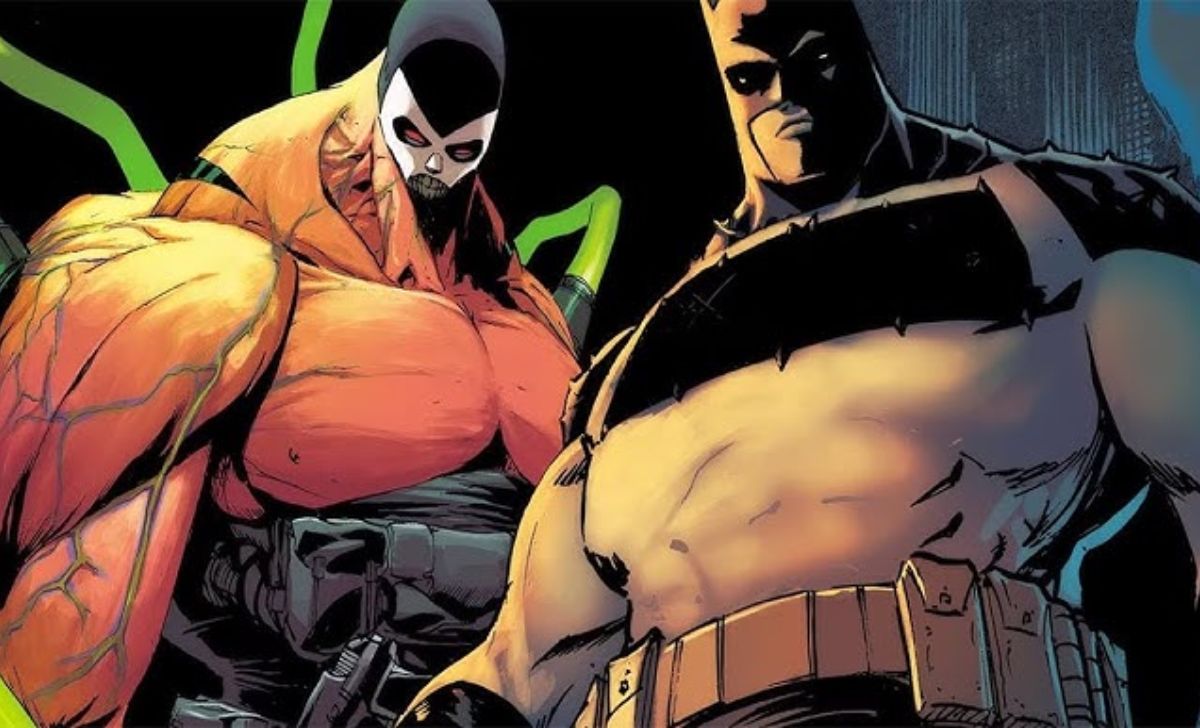
The most haunting part of Alfred’s narration is his conclusion: Bane doesn’t need to destroy Batman directly. He knows that the real way to break Bruce Wayne is to break the people he loves. That is why, instead of going straight for Bruce, Bane sets his sights on Batman’s allies.
It’s a terrifying thought—that the true battle isn’t about Gotham’s streets but about its heart.
Why This Story Matters
Absolute Batman #11 doesn’t just retell Bane’s origin—it reframes it. Through Alfred’s weary, regretful voice, the story becomes one about inevitability. Bane is not merely another villain for Batman to defeat—he is the embodiment of war itself.
Clay Mann’s artwork captures the brutality and grandeur of the tale, while Scott Snyder’s writing ensures that Bane remains more than muscle. He is intelligence, history, and myth bound into one terrifying figure.