
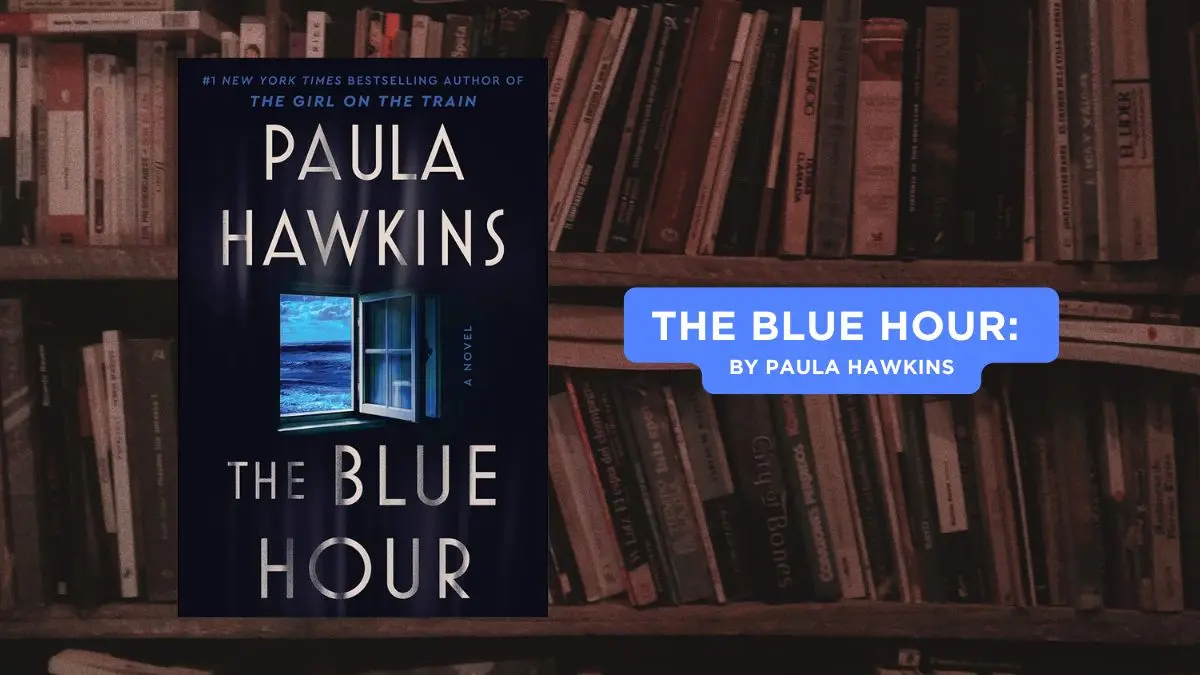
In The Blue Hour, Paula Hawkins returns with another gripping thriller, this time set on the hauntingly isolated Eris Island, accessible only during low tide. The novel’s eerie atmosphere is enriched by the island’s restriction to just two six-hour windows per day when it connects to the mainland. This remote and constrained setting amplifies the suspense and lends a classic “locked-room” mystery feel, one that calls to mind the atmospheric suspense of authors like Shirley Jackson and Patricia Highsmith. Eris becomes a character itself, serving as both a haven and a prison for the novel’s characters, each carrying secrets that threaten to unravel with shocking intensity.
Characters Shaped by Secrets
At the heart of the story are three central figures, each intertwined with Eris and each other. Vanessa Chapman, a renowned artist who lived and worked on the island, casts a long shadow over the narrative. Her isolated existence and eventual death only deepen the Mystery surrounding her life, particularly as rumors of her husband’s unexplained disappearance years prior continue to haunt those left behind. Grace Winters, the current resident of Eris, lives in self-imposed solitude, her quiet life shattered when art scholar James Becker visits to probe Vanessa’s mysterious past. Through flashbacks and Chapman’s own diary entries, Hawkins masterfully builds each character’s emotional complexity and motivations, drawing readers deeper into their lives and secrets.

A Slow Burn with Shocking Twists
The Blue Hour is crafted as a slow-burn Thriller. Rather than relying on constant action or high-stakes drama, Hawkins builds tension incrementally, letting suspense simmer and then crescendo into powerful twists that challenge readers to rethink what they know. This approach may not be a fast-paced thrill ride, but it is methodical, building up to an explosive ending that will likely send readers back to earlier pages to pick up on the foreshadowing they may have missed. Hawkins’ ability to plant subtle clues, reminiscent of the stylistic suspense of The Girl on the Train, showcases her skill in creating layered mysteries that reward close attention.
Artistic Legacy and Psychological Depth
One of the novel’s standout features is its exploration of artistic legacy and psychological depth. Hawkins immerses readers in the world of fine art and obsession, particularly through Vanessa’s life and work on Eris. Her art, influenced by the island’s tumultuous landscape, symbolizes her inner turmoil and adds an artistic dimension that resonates with fans of psychological thrillers. References to Vanessa’s creative process, from the “terrible chaos” of waves to the “threatening gunmetal” skies, capture the haunting beauty of Eris and mirror the characters‘ psychological struggles.
Pacing and Characterization: Strengths and Criticisms
While The Blue Hour delivers a complex, haunting narrative, some readers might find the middle section slower than expected, as character introspections occasionally stall the story’s momentum. This introspection, though meaningful, can at times make certain characters feel more like plot devices than fully fleshed-out individuals. Despite these minor critiques, Hawkins’ atmospheric prose and attention to character detail mostly overcome these issues, keeping readers engaged as they inch closer to the novel’s conclusion.
Final Verdict: A Compelling Psychological Thriller
Paula Hawkins’ The Blue Hour is a chilling and thought-provoking addition to her repertoire, resonating with themes of isolation, artistic obsession, and the dark secrets people carry. For fans of Hawkins’ previous work, this novel offers familiar yet evolved storytelling, deepening the psychological elements and delivering twists that will linger long after the final page. The Blue Hour is a must-read for those who love layered thrillers that invite readers to unravel the mysteries embedded in each character’s past. With its atmospheric setting, intricate plot, and nuanced portrayal of art and psychology, Hawkins solidifies her place among today’s thriller greats.
Also Read: Morgana and Oz, Vol. 1: By Miyuli (Book Review)