

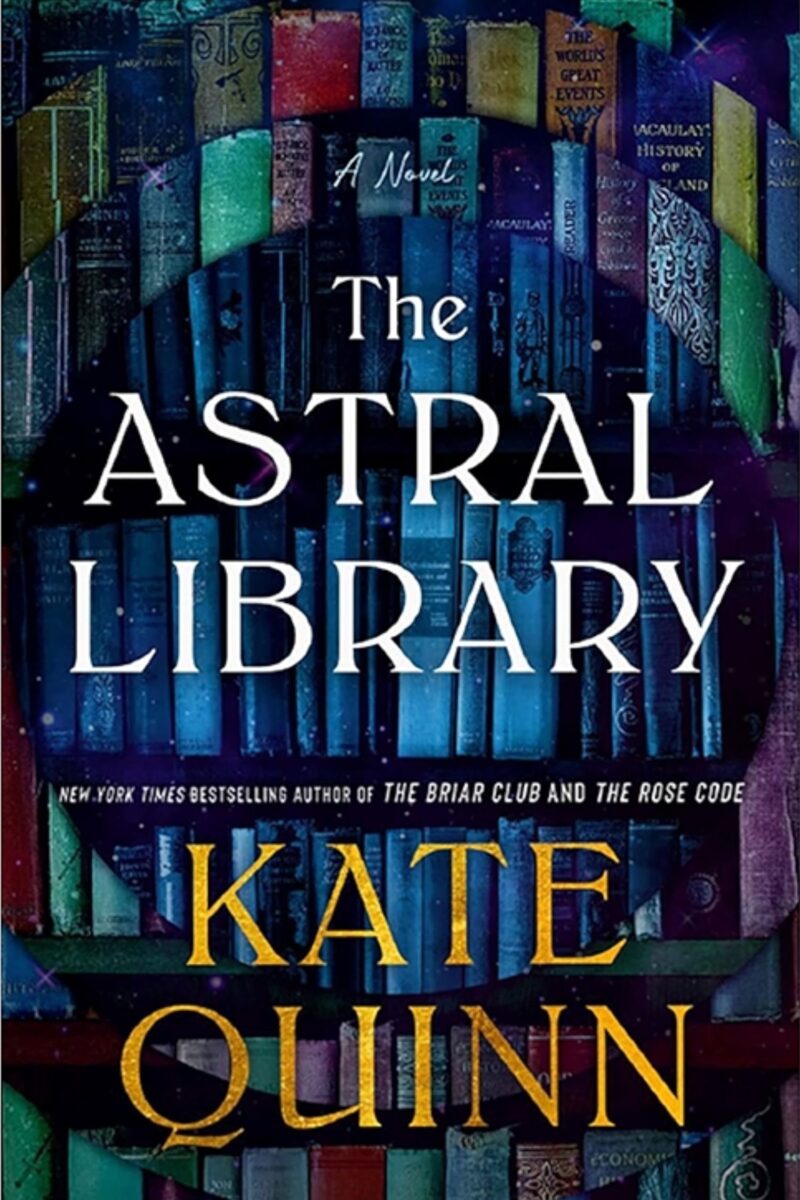
At its heart, The Astral Library follows Alexandria “Alix” Watson, a young woman scraping by in Boston while juggling dead-end jobs and quietly taking refuge in her beloved public library. Books have been her most reliable companions — safe, steady, and far less complicated than people.
Everything changes when Alix stumbles upon a hidden door tucked deep inside the Boston Public Library. On the other side lies the Astral Library — a secret archive where patrons can literally step inside the worlds of public-domain classics. It’s not just reading; it’s immersion. You don’t imagine the fog rolling over Victorian London — you breathe it in.
Presided over by a mysterious and commanding Librarian, this hidden sanctuary transforms Alix’s fragile, drifting life into something purposeful and dangerous. What begins as escape quickly becomes responsibility.
A Sanctuary Built for Book Lovers
This novel reads like a heartfelt tribute to libraries and the people who live inside stories. The idea of crossing into beloved novels — from Regency ballrooms to gritty detective tales — taps into a dream most readers have entertained at least once.
What makes the Astral Library particularly charming is its layered detail. Literary characters exist side by side, and the thought of them crossing paths feels delightfully mischievous. The worldbuilding is playful without being chaotic, reverent without being stiff. Quinn’s affection for literature is evident in every carefully imagined corridor.
For lifelong readers, the setting feels less like fantasy and more like wish fulfillment.
Alix — A Heroine Who Feels Real
Alix is no flawless chosen one. She’s bruised by her past, shaped by abandonment and insecurity, and often unsure of her own worth. That vulnerability grounds the novel.
Rather than being swept into magic with effortless confidence, Alix hesitates. She questions herself. She falters. And that makes her evolution believable. Watching her grow into someone willing to defend both the Astral Library and what it represents gives the story emotional weight.
Some readers may find her internal struggles revisited frequently, but those repetitions underline how deeply the narrative invests in her emotional healing. The fantasy may be grand, but the character work is intimate.
Themes That Give the Story Depth
Beyond its imaginative premise, The Astral Library carries a quiet urgency. Libraries here are not merely whimsical settings; they symbolize access, equality, preservation, and resistance.
There’s a tension running beneath the magic — forces that seek to control or dismantle shared knowledge. The conflict becomes more than a fantasy battle; it feels like commentary on the fragile place libraries occupy in modern society.
The novel also explores belonging, chosen family, resilience, and the transformative power of stories. Books are not passive entertainment in this world. They shape identities. They anchor people. They protect.
It’s escapist, yes — but not empty.
Where It Shines — and Where It Falters
What Works Beautifully:
- An imaginative, book-lover’s premise that feels both nostalgic and fresh.
- Vivid literary landscapes that make classic stories feel newly alive.
- A heartfelt message about why stories — and the institutions that preserve them — matter.
Where It Stumbles Slightly:
- The pacing softens in the middle, especially when bureaucratic conflicts take center stage.
- Some side characters and romantic threads feel less developed than the main premise deserves.
- Readers craving nonstop fantasy adventure may wish for more time spent inside the literary worlds themselves.
Still, the ambition of the concept carries the narrative through its slower passages.
Final Thoughts
The Astral Library may not satisfy every fantasy reader equally, but it speaks directly to those who have ever treated books as lifelines. It understands the quiet sanctuary of a library corner, the way stories can steady a fractured life, and the fierce instinct to protect what gives us meaning.
For bibliophiles especially, this novel feels personal. It’s a reminder that stories are not luxuries — they are refuges, bridges, and sometimes even weapons against despair.
And long after the final page, the idea lingers: if there were a hidden door inside your local library, would you dare to step through it?