
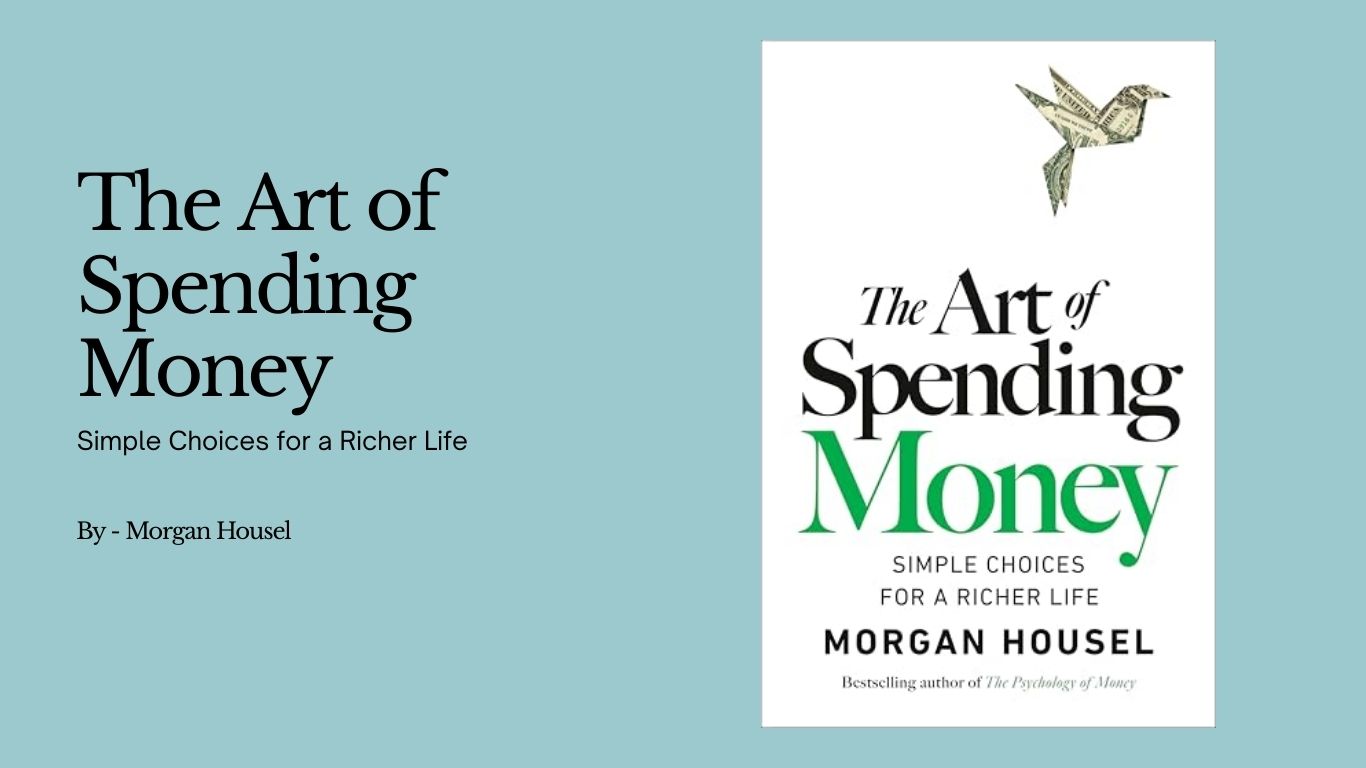
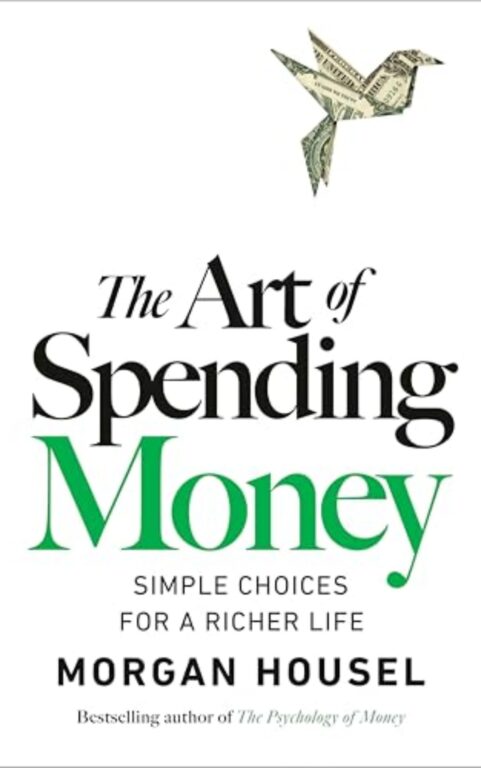
Most personal finance books feel like homework. They yell at you about compound interest, shame you for buying lattes, and demand you memorize complex investment strategies. Morgan Housel’s The Art of Spending Money is different. It’s less of a manual and more of a conversation about why we do what we do. Housel doesn’t care about your saving rate as much as he cares about your head game. He argues that money isn’t just math; it’s a tool for happiness, freedom, and identity. The central premise is simple but sticks with you: How you use your money matters way more than how much of it you actually have.
How the Book Flows
You don’t have to read this cover-to-cover to get the point. It’s structured as a series of short, punchy essays. You can open it to a random page, read for five minutes, and walk away with something to chew on.
There isn’t a plot, but there is a vibe. Housel uses history, psychology, and his own life to show that our spending is rarely rational—it’s emotional. We spend to soothe our fears, signal our status, or fill a void. He’s not telling you to stop; he’s just asking you to notice why you’re doing it.
It’s About Values, Not Spreadsheets
If there is one idea to take away from this book, it’s this:
Wealth is the gap between what you have and what you want.
You can make a million dollars a year, but if your desires grow just as fast as your paycheck, you’ll never actually feel rich. On the flip side, someone with a modest income who has their ego in check can feel incredibly wealthy.
Housel quietly takes apart the Instagram version of success. He points out that flashy cars and designer clothes are proof of spending, not proof of wealth. The truly wealthy are often invisible because they are “buying” things you can’t see: time, autonomy, and a lack of anxiety.
“Look at Me” vs. “This Helps Me”
We’ve all bought things just to impress people we don’t even like. Housel calls this out gently. He distinguishes between:
- Status Spending: Buying things to signal success. The high wears off fast, and nobody cares about your possessions as much as you do.
- Life-Enhancing Spending: Spending that actually solves a problem.
Buying a bigger house to impress the neighbors is a trap. But paying for a cleaner to save your sanity during a busy work week? Or taking a pay cut to live closer to the office? That’s money well spent. The book pushes you to prioritize experiences and conveniences that actually make your Tuesday morning better, rather than purchases that just look good on paper.
The Vibe: No Judgment Here
What makes Housel so readable is that he’s not a guru on a pedestal. He writes with a lot of empathy. He admits that money is terrifying and confusing. He knows our financial habits are tied to how we were raised and our deepest insecurities.
If you’re expecting a lecture on why you’re failing, you won’t find it here. It feels more like advice from a wise friend who wants you to stress less.
Who Is This For? (And Who Should Skip It)
If you are looking for:
- Specific stock tips
- Strict budgeting templates
- “Get rich quick” hacks
…skip this book. You will be frustrated by the lack of hard numbers.
However, if you feel like you have “enough” money but still feel anxious, or if you’re tired of the lifestyle creep where every raise disappears into new bills, this book is fantastic. It’s for the person who wants to stop chasing a number and start building a life.
The Bottom Line
The Art of Spending Money asks you to pause before you tap your card and ask, “Is this actually going to make my life better, or am I just scratching an itch?”
It won’t make you a millionaire overnight. But it might make you feel like one a lot sooner, simply by helping you realize you already have enough.