
The Amazing Spider-Man has long been a cornerstone of Marvel Comics, captivating fans with compelling storytelling, relatable characters, and the iconic heroics of Peter Parker. However, recent issues have left many readers frustrated as the series struggles with disjointed plots, questionable creative decisions, and a split narrative that dilutes its impact. The Amazing Spider-Man #15 (Legacy #979), in particular, epitomizes these struggles with a problematic space saga that clashes with the essence of Spider-Man and leaves a sour taste for longtime fans.
The Context: Two Spider-Men, Two Storylines
The current run divides The Amazing Spider-Man into two separate storylines released monthly. One series features Peter Parker trapped in a sprawling cosmic adventure, while an alien impersonator named Ben Reilly assumes his place on Earth. This divides reader interest and muddles the classic narrative that grounded Spider-Man as a street-level hero.
In space, Peter Parker finds himself embroiled in a saga involving a villain named Hellgate, who has forcibly kicked him into the cosmos. The plot focuses on Peter’s efforts to free sentient alien captives from an antagonist known as Zanto Star Blood. Although the premise holds potential to expand Spider-Man’s universe, the execution leaves much to be desired. The multiple layers of conflict—Peter trying to save others while preparing to face Hellgate—seem contrived rather than integral to character growth or a cohesive story arc.
Promises vs. Reality: The New Suit and Alien Nemesis
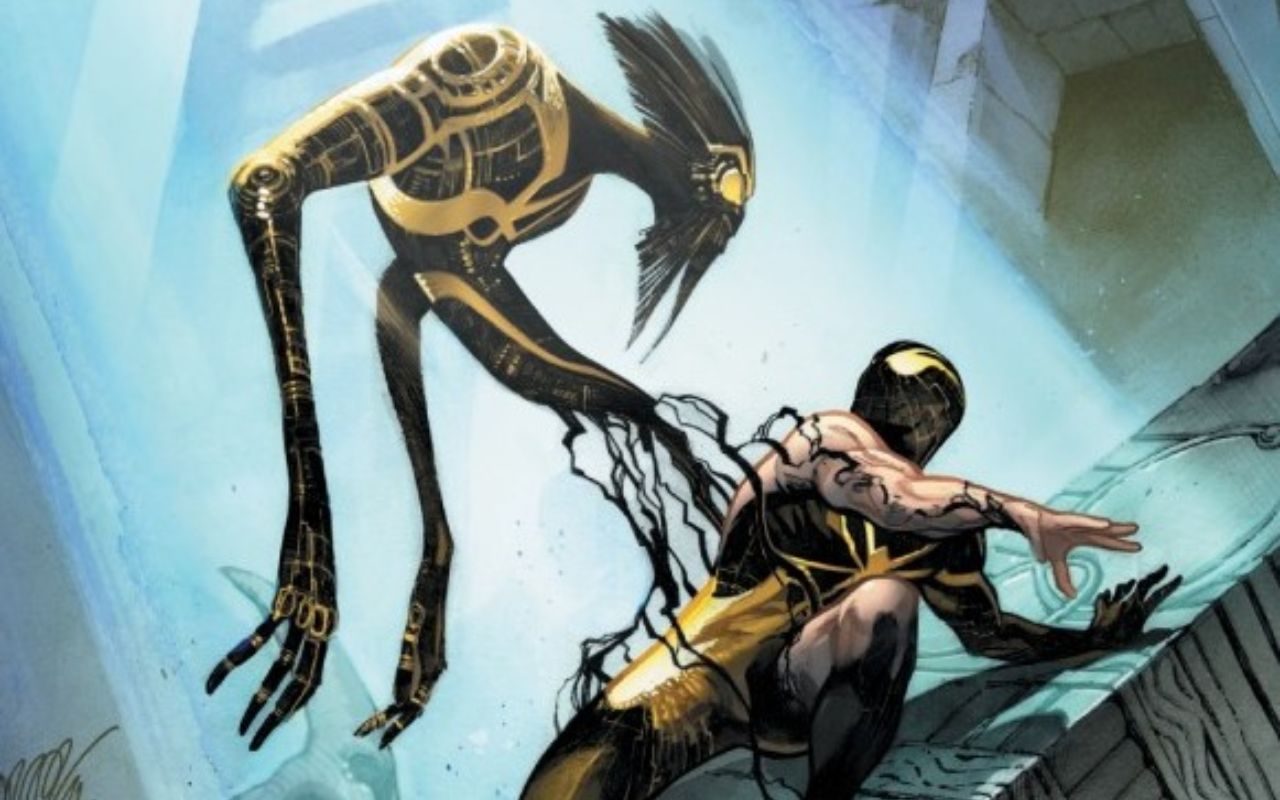
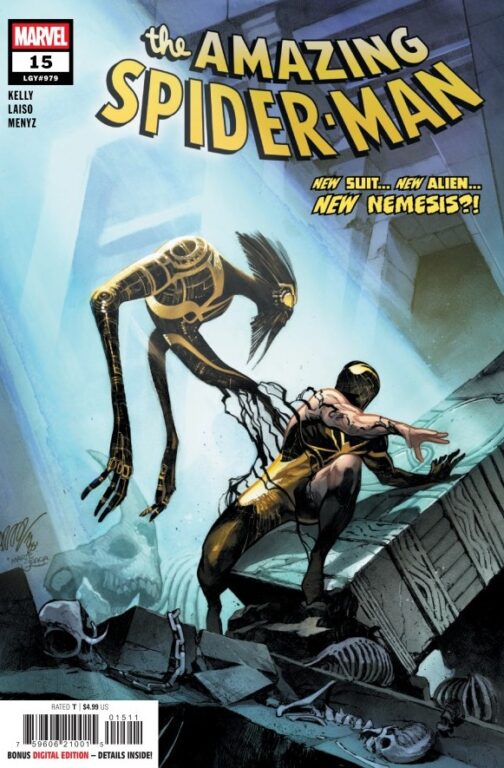
The issue teases exciting elements like a flashy new suit, alien adversaries, and a fresh nemesis, but they fail to deliver the thrill one expects from a milestone issue. The cover art is visually appealing, setting high expectations, yet it feels misleading once readers dive into the narrative. The story quickly dashes hopes for a meaningful evolution, instead flipping through plot points that lack depth or clear stakes.
The introduction of the “techno suit” given by Zanto feels like a gimmick aimed more at boosting variant cover sales than enriching the story. It turns out that the suit is a sentient being forced to fuse with Peter against its will—a revelation that could have explored profound ethical dilemmas if handled properly. But here, the storyline compresses these issues into a rushed exposition that fails to build emotional resonance or thoughtful conflict.
Peter Parker’s Character: Selflessness or Contradiction?
One of the few redeeming points is how Joe Kelly writes Peter’s intrinsic selflessness. In typical Spider-Man fashion, Peter puts others before himself, agreeing to fight in a pay-per-view alien wrestling event to save Rocket Raccoon—a well-written subplot that provides a glimpse of classic Peter-hearted heroism.
However, underlying contradictions surface throughout the issue. Peter refuses to let the sentient techno suit remain captive but retains control over Zanto Star Blood, a villain who is similarly enslaved by the “magic underwear” device. This selective moral stance creates an inconsistent portrayal of Peter’s ethics, undermining his traditionally principled character. Rather than pursuing justice or freedom for Zanto, Peter allows his captivity to continue for the sake of strength, which confuses the reader about the hero’s motivations.
The Space Saga: Confusing and Gimmicky
The space narrative is dominated by extraneous elements that detract from a compelling progression. The inclusion of Rocket Raccoon adds a fun dynamic, but the plot tendency toward convoluted pay-per-view battles and bargain negotiations with alien criminals feels forced and far removed from Spider-Man’s core themes.
The fight scenes showcase competent art from Emilio Laiso, delivering visceral visuals that capture motion and impact, yet the poor dialogue and story structure prevent these moments from achieving their full potential. The repeated joke about Rocket’s unpaid gambling debt quickly falls flat, and the underlying reasons for the cosmic conflicts remain vague and underdeveloped.
The Impact on the Series and Spider-Man’s Legacy
The current state of The Amazing Spider-Man raises serious concerns about the series’ future, especially with the monumental 1,000th Legacy issue looming. Instead of tapping into the rich history and deep storytelling legacy that Spider-Man holds, the series leans heavily into gimmicks such as multiple monthly issues, new suits, variant covers, and space-based story arcs that feel disconnected from the character’s roots.
This issue exemplifies editorial decisions prioritizing sales over substance, fragmenting the narrative and sapping the emotional weight that once made Spider-Man relatable and enduring. It highlights a broader problem within Marvel’s strategy where quantity trumps quality, leaving fans disillusioned.
Conclusion: A Call for a Return to Form
The Amazing Spider-Man #15 is emblematic of a creative and editorial struggle that threatens to dilute one of Marvel’s flagship characters. While fans appreciate Peter Parker’s selflessness and recognize quality artwork, the overall storyline suffers from poor dialogue, inconsistent character ethics, and a reliance on gimmicks that hinder meaningful storytelling.
To preserve Spider-Man’s legacy and revitalize the series, a return to grounded, character-driven narratives focused on Peter’s life on Earth is essential. It’s time to shift away from space operas and pay-per-view alien brawls toward the authentic, emotional stories that earned Spider-Man his place in the hearts of millions.
Fans deserve a Spider-Man series that balances thoughtful storytelling with exciting adventures—bringing the hero back to the streets where his story truly began rather than stretching the narrative thin across the stars.