
On a quiet forest floor or along a riverbank, a strange scene sometimes unfolds. A snake lies belly-up, mouth open. A small mammal collapses mid-chase, eyes glassy and tongue lolling. To an untrained eye, it looks like death has already claimed another victim. But in many cases, it hasn’t. What you’re seeing is one of nature’s most unsettling survival tricks: playing dead. Known scientifically as thanatosis or tonic immobility, this behavior is a last-resort defense used by animals across the planet. When escape fails and fighting back isn’t an option, some species bet their lives on a chilling bluff—convincing a predator they’re already dead.
What Does “Playing Dead” Actually Mean?
Unlike pretending in the human sense, animals don’t consciously decide to fake their own death. Thanatosis is an automatic, involuntary response, closer to fainting than acting. When triggered—usually by physical contact or extreme threat—the animal’s body shuts down in dramatic fashion.
Breathing slows or becomes barely noticeable. Muscles either stiffen or go completely limp. Heart rate drops. Eyes may remain open, the tongue might hang out, and in some cases, the animal even releases foul-smelling chemicals that mimic decay.
The goal is simple: stop being interesting.
Most predators are hardwired to respond to movement. A struggling prey excites the chase instinct. A motionless body, however, raises questions. Is it sick? Is it dangerous to eat? Is it already spoiled? That moment of doubt can be the difference between life and death.
Famous Death-Feigners of the Animal World
The Opossum: The Iconic Actor
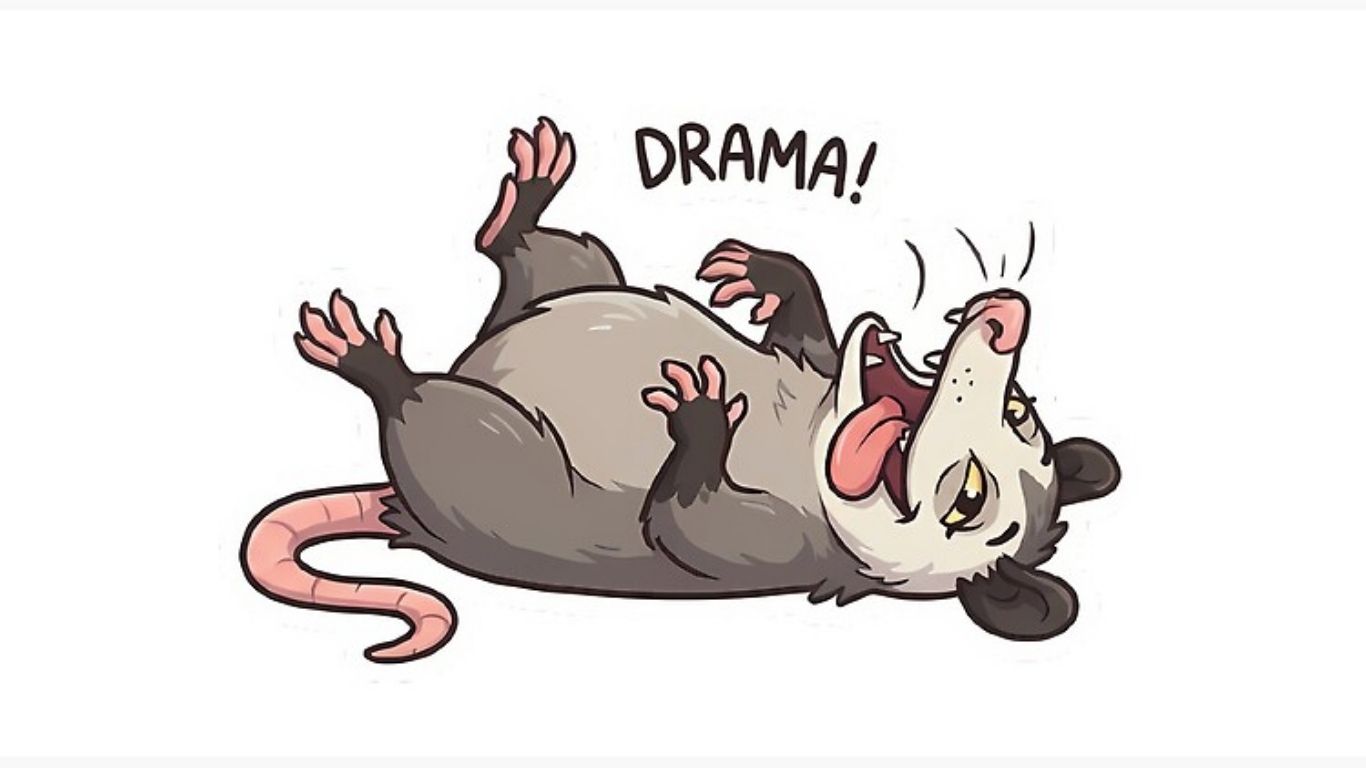
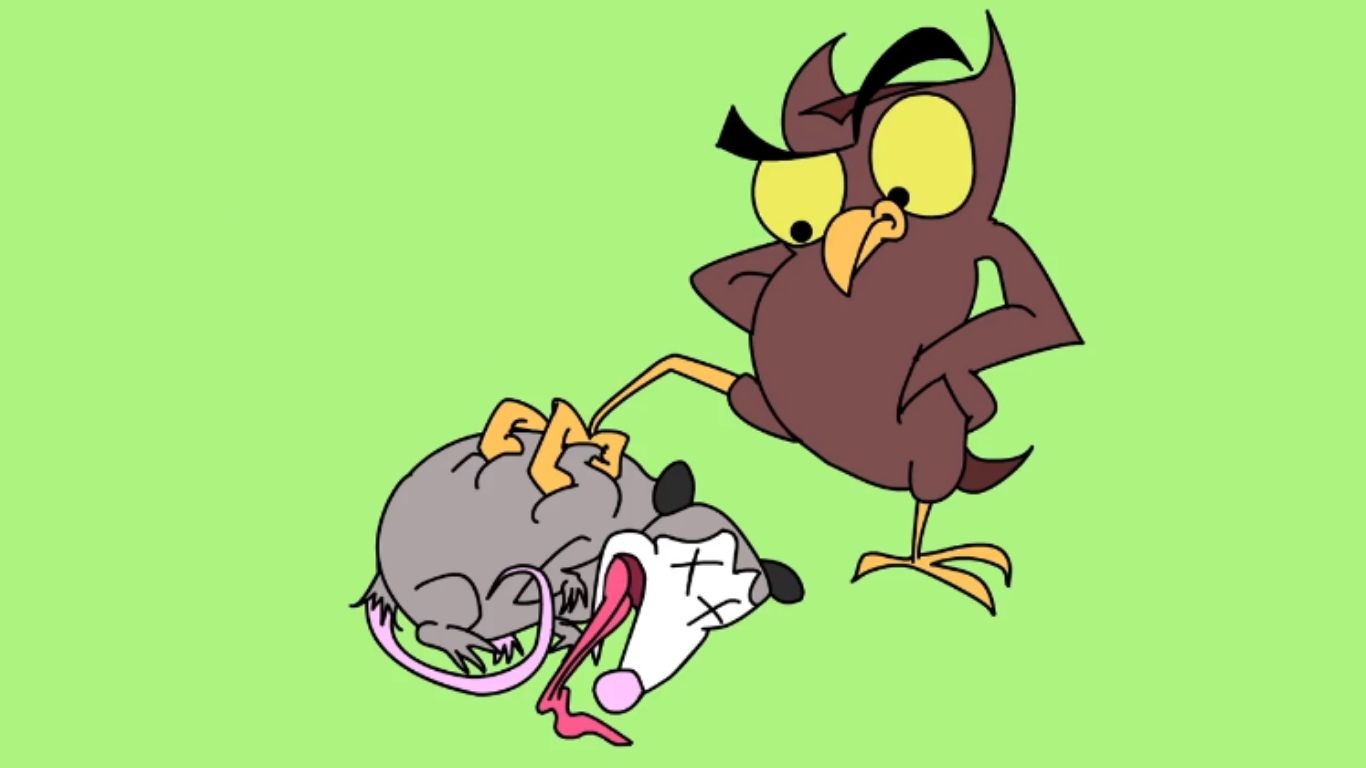
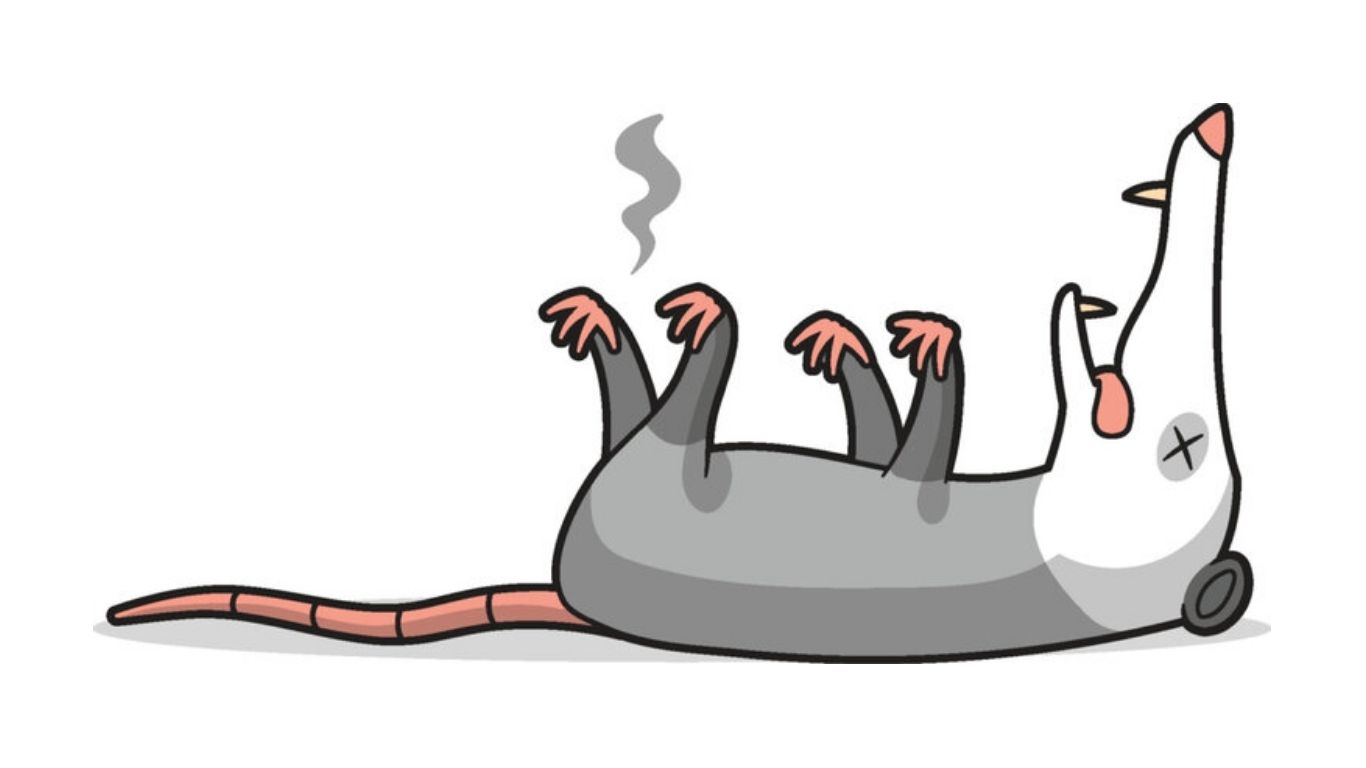
Few animals are as closely associated with playing dead as the opossum. When threatened, it may hiss, bare its teeth, and growl—then abruptly collapse as if its power switch has been flipped. The opossum lies on its side, mouth open, tongue out, eyes vacant. To complete the illusion, it releases a nauseating odor that smells like rot.
Predators often back off. Carrion carries disease, and many hunters prefer fresh kills. Once the danger passes—sometimes after minutes, sometimes after hours—the opossum simply gets up and walks away, unharmed.
Snakes That Turn Themselves Into Corpses
Several snake species use thanatosis, often with unsettling flair. The eastern hognose snake is a standout. First, it puts on an aggressive show: hissing, flattening its neck, and striking. If that fails, it escalates in the opposite direction.
The snake rolls onto its back, opens its mouth, lets its tongue hang out, and goes completely still. Some even release from their mouths to sell the illusion. Flip it right-side up, and it’ll roll back over—because a “dead” snake clearly can’t lie on its belly.
Birds That Collapse Mid-Capture
Ground-nesting birds and young chicks are particularly vulnerable to predators. Some species respond by going limp the moment they’re caught. Their bodies slacken, wings fall still, and their eyes close.
This sudden stillness can confuse predators long enough for an escape—especially if the attacker loosens its grip or sets the bird down to reposition its kill.
Insects: Masters of Motionlessness
Thanatosis is especially common among insects. Beetles, ants, grasshoppers, and stick insects frequently drop and freeze when threatened. Some remain motionless for minutes; others for over an hour.
In controlled observations, insects that played dead longer were significantly more likely to survive predator encounters. For small creatures with limited defenses, absolute stillness can be their strongest weapon.
Fish That Fake Death to Kill
Not all death-feigning is defensive. Some fish use it offensively.
Certain cichlids lie motionless at the bottom of lakes, appearing to be dead or dying. Curious scavengers approach for an easy meal—only for the “corpse” to spring to life and strike. In these cases, playing dead becomes a hunting strategy rather than a shield.
When Playing Dead Is About Love, Not Survival
In the animal world, even romance can involve deception.
Male nursery-web spiders face a serious problem: females are larger, aggressive, and not above eating a potential mate. To survive the encounter, males present females with a wrapped prey item—and then pretend to be dead while holding onto it.
As the female focuses on the meal, the male suddenly revives and mates, dramatically improving his chances of survival and reproduction. In this case, thanatosis isn’t about escaping death—it’s about completing the mission alive.
Why Does Playing Dead Work?
Scientists have proposed several explanations for why this bizarre behavior evolved.
One theory focuses on predator psychology. Many predators prefer live, responsive prey. A lifeless body signals disease, spoilage, or risk. The sight—or smell—of death can trigger hesitation or disgust.
Another idea suggests that predators may have a basic concept of “finished prey.” If an animal appears already dead, the predator may lose interest, delay the kill, or temporarily release it. That small window can allow the prey to recover and flee.
There’s also evidence that thanatosis works best as a last resort. Animals that use it typically do so only after fleeing or fighting has failed. It’s a gamble—but one that evolution has found worth taking.
A Dangerous Bluff That Sometimes Fails
Playing dead is not foolproof. Some predators aren’t picky. Others instinctively kill prey before eating, regardless of movement. And remaining immobile for too long carries its own risks: exposure, dehydration, or being eaten anyway.
Still, the fact that this behavior has evolved independently in mammals, birds, reptiles, fish, insects, and spiders suggests one thing clearly—it works often enough to matter.
Final Thoughts
Nature doesn’t always reward strength or speed. Sometimes, survival belongs to those who know when to disappear.
Thanatosis is one of the animal kingdom’s strangest strategies: a silent performance where stillness replaces struggle, and deception becomes defense. It’s a reminder that evolution doesn’t just favor the fiercest fighters—it also favors the best illusionists.
In a world where every movement can attract danger, sometimes the smartest move is to stop moving altogether.