
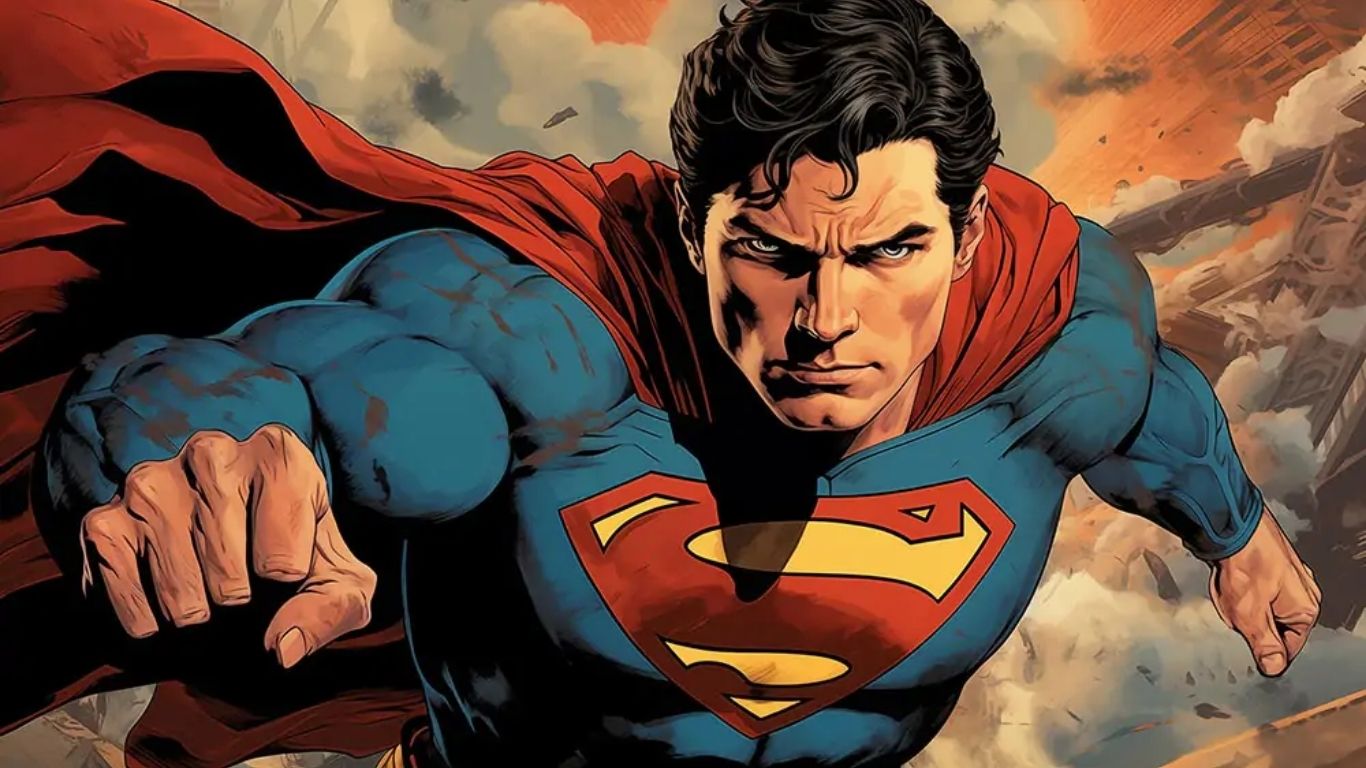
Superman is more than capes and heat vision — he’s the moral touchstone of an entire genre. Across decades of comics, films, and animated series, some fights don’t just have big explosions — they change him, and sometimes the world. Below are Superman’s 5 greatest battles, ordered roughly in the chronology of his career (early-to-late), each broken down with plot detail, key moments, outcomes, and why the fight matters.
Superman’s 5 Greatest Battles: A Chronological Breakdown
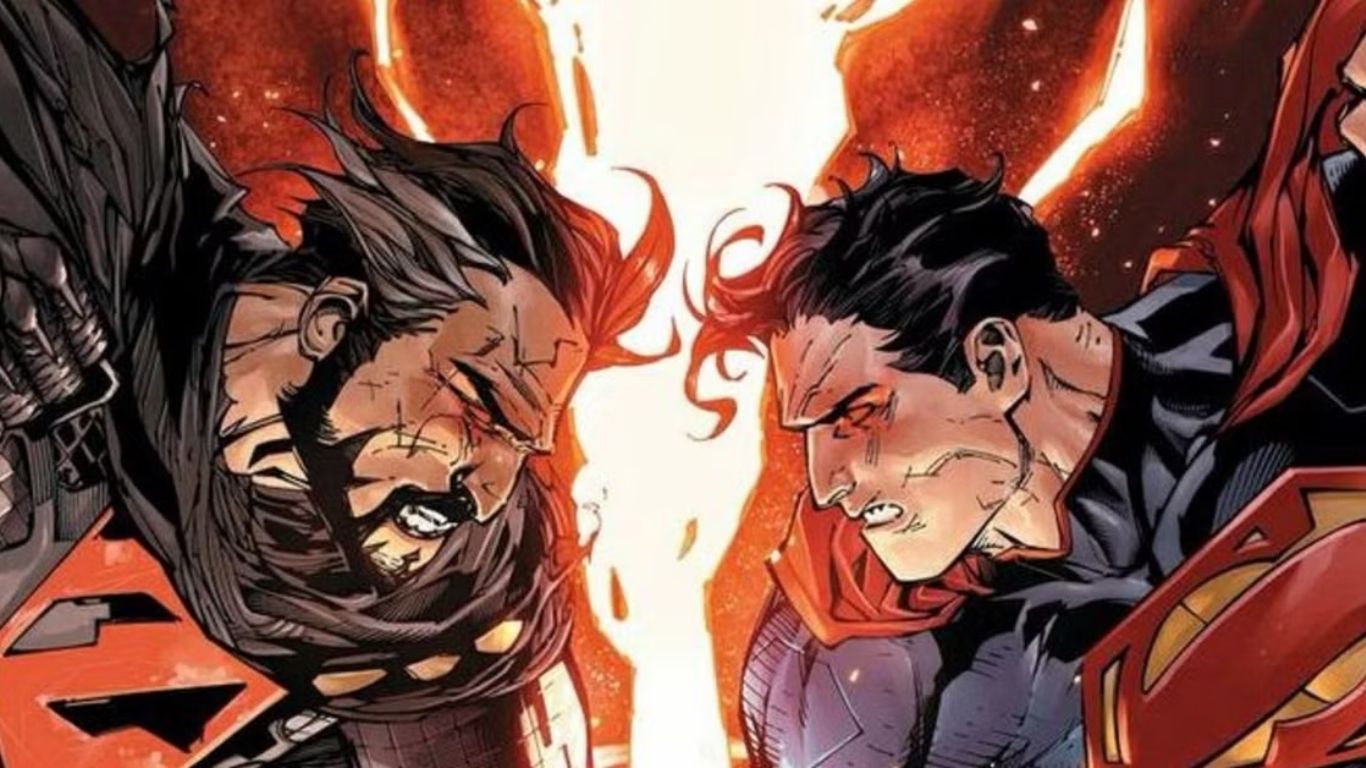
Superman vs. General Zod
Zod, Ursa, and Non — Kryptonian military criminals trapped in the Phantom Zone — find a way back to Earth (sometimes due to human tampering, sometimes because of a Kryptonian artifact). For Superman this is personal: they’re not just supervillains, they’re echoes of the world he lost. Zod’s goal is always the same: rebuild Krypton’s paths-of-glory-by-jeffrey-archer/”>glory by dominating Earth or forcing it to conform to Kryptonian rule.
Key moments (typical versions):
- The Phantom Zone convicts emerge with Kryptonian knowledge and military discipline, immediately asserting dominance over targeted areas (government buildings, military bases, or Metropolis’ skyline).
- Superman faces not just raw strength but someone who matches his moral certainty — Zod believes he is restoring a rightful order, creating ideological friction.
- Battles move from street-level rescues (saving civilians from Kryptonian tech) to large-scale showdowns where Zod weaponizes Kryptonian science: terraforming devices, force fields, or brain-control tech.
- The combat often ends with Superman forced into wrenching choices: can he stop Zod without killing a fellow Kryptonian? Different tellings answer differently — in Superman II (film) he returns Zod and company to the Phantom Zone; in other modern takes (e.g., Man of Steel), the battle escalates to the point where Superman makes the tragic choice to use lethal force against Zod to save countless lives.
Outcome & fallout:
Defeating Zod often costs Superman more than physical exhaustion. He’s reminded that he’s alien and human at once; consequences (collateral damage, civilian deaths) shape his later reluctance to use full strength. The Phantom Zone stories cement Superman’s role as Earth’s protector and as a survivor of Krypton’s sins.
Why it’s great:
This battle pits Superman against someone who could have been him — same heritage, different choices. It tests his ethics under impossible pressure and regularly forces moral growth.
Superman vs. Brainiac
Brainiac — the cold, brilliant collector of knowledge — arrives with the trademark goal: capture, catalog, shrink, and preserve entire cities (notably Krypton’s city of Kandor) as trophies. He treats living cultures as specimens. For Superman, Brainiac’s actions are two shocks at once: he is responsible for stealing a piece of Krypton’s heritage, and his method threatens the liberty of Earth’s cities.
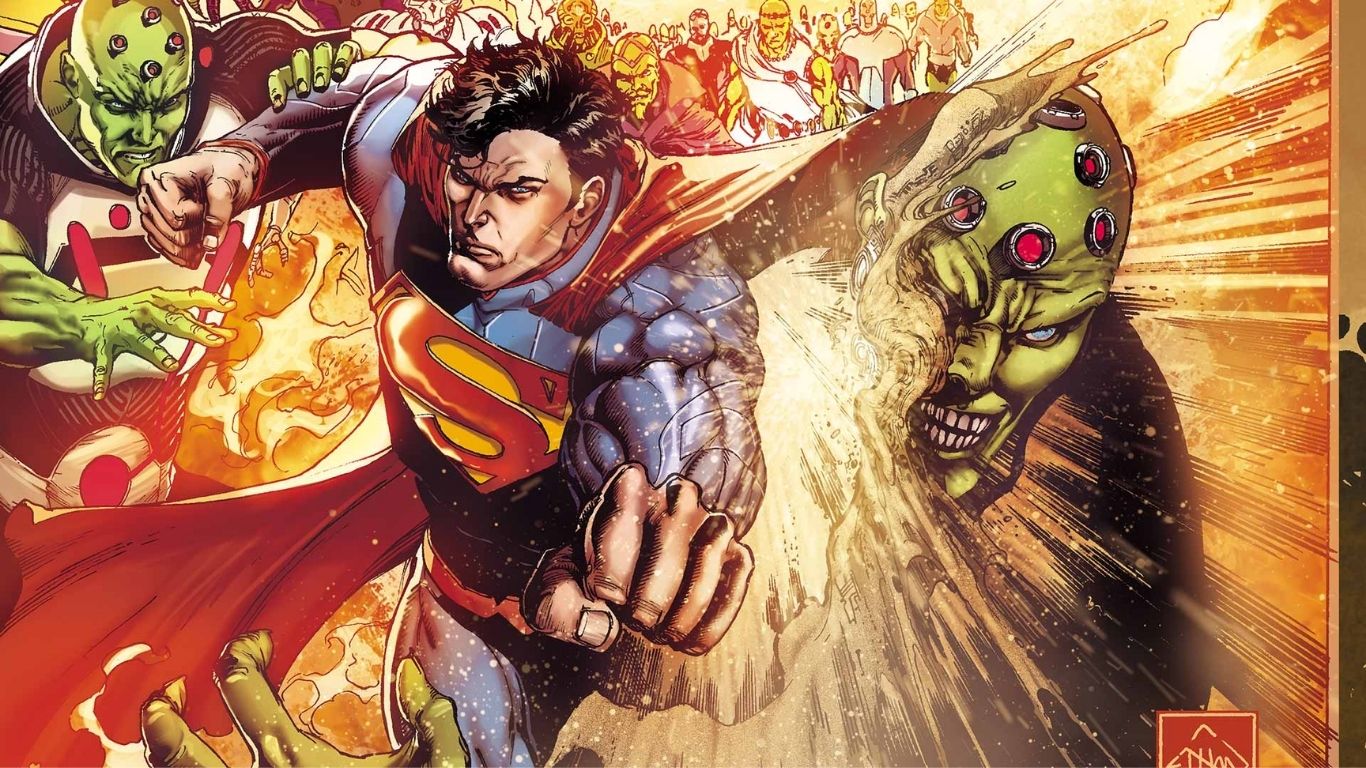
Key moments (classic & modern echoes):
- Brainiac makes the first, devastating play: he shrinks Kandor and takes it, leaving Superman to grapple with the knowledge that a fragment of his home survives in alien captivity.
- Skirmishes begin as Superman tries to stop Brainiac’s ships and free captured cities. Brainiac’s tech — force fields, matter compressors, nanomachines — neutralizes Superman’s usual advantages, forcing him into strategy over raw power.
- The fight evolves into a rescue mission (freeing Kandor), a moral fight (should Superman restore Kandor and risk contamination?), and a battle of wits: Brainiac often sets traps designed to exploit Superman’s compassion, using hostages and dilemmas to slow him down.
- Climactic turns involve Superman outmaneuvering Brainiac — not by overpowering him but by exploiting the villain’s arrogance, or by enlisting allies and science to reverse the compression tech.
Outcome & fallout:
Brainiac is typically foiled, but Kandor’s fate varies: sometimes recovered and restored, sometimes retained but safeguarded. Brainiac’s assaults force Superman to think like a detective and leader rather than just a brawler; he learns to balance compassion with the strategic coldness necessary to stop genocidal collectors.
Why it’s great:
These battles emphasize Superman’s intelligence and heart. Brainiac is a foe who can’t be punched into submission; defeating him requires empathy, ingenuity, and sometimes sacrifice — qualities that define Superman.
Superman vs. Doomsday
Doomsday is engineered for one purpose: to kill. He’s a force of nature — evolving immune to whatever stops him and relentlessly single-minded. He appears and heads straight for Metropolis, causing destruction and leaving a trail of casualties. The world watches as Superman moves to stop him.
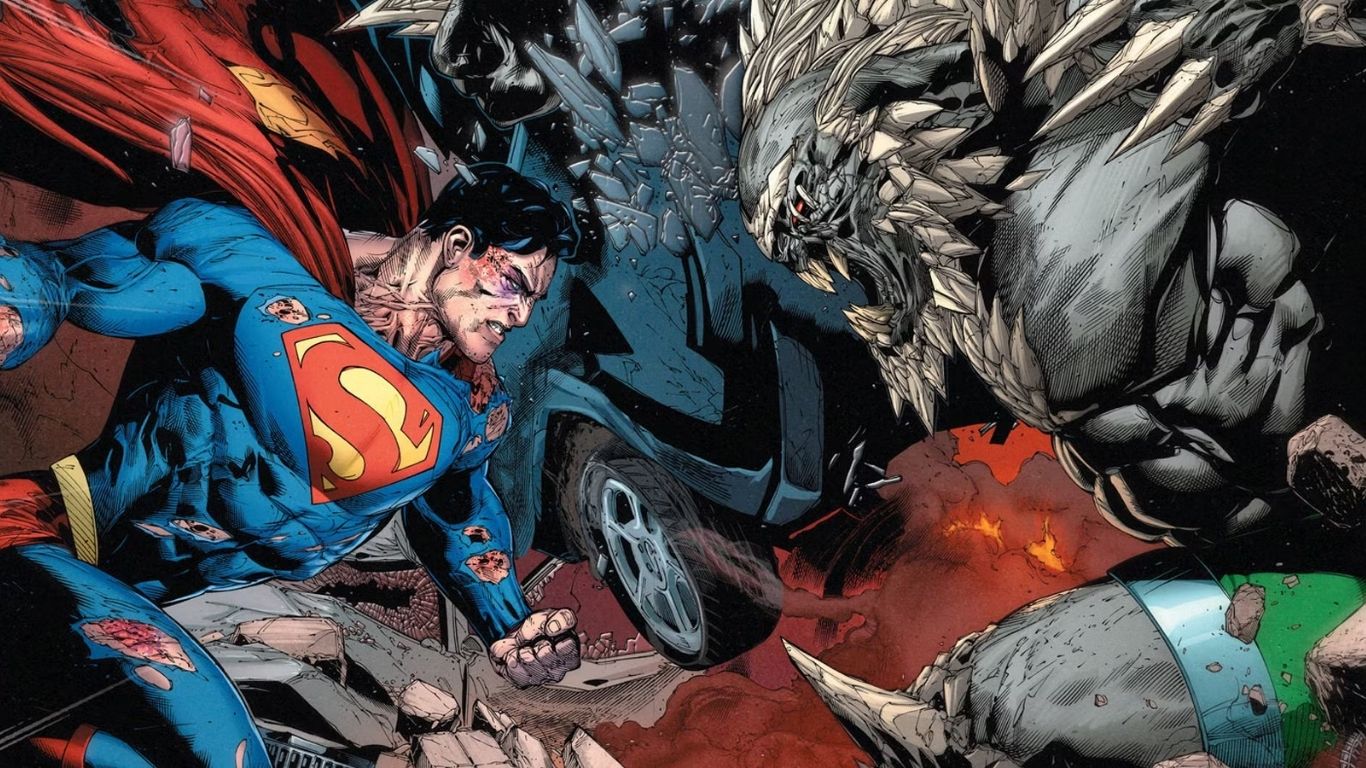
Key moments:
- The initial encounters showcase Doomsday’s terrifying resilience: he shrugs off heat vision, punches through planetary defenses, and kills anyone who stands in his way.
- Superman attempts containment and rescue before confronting Doomsday directly. Their first clashes are brutal and public — entire city blocks are shattered as the two titans trade blows.
- The fight escalates into an all-out slugfest across Metropolis’ skyline and finally to a blood-soaked showdown on a city street. Readers/viewers see Superman trading finishing blows with an enemy who embodies pure destruction.
- In the defining moment, Superman lands the last punch but takes a fatal wound himself; both giants fall, and the world reels.
Outcome & fallout:
Superman dies — shocking the world and spawning the “Reign of the Supermen” arc where replacements and impostors emerge. The death forces DC characters and fans to reckon with vulnerability: even the symbol can die. The emotional payoff is massive: grief, memorials, and the eventual lesson that ideals can outlast the person who embodies them.
Why it’s great:
It’s storytelling at scale: catastrophic stakes, raw physicality, and a moral beat — Superman’s willingness to sacrifice himself. It reshaped comic publishing in the ’90s and remains a defining Superman moment.
Superman vs. Cyborg Superman
After Superman’s death, several figures claim his mantle. One of them is the Cyborg Superman, a being who looks like Clark Kent but with deadly intent — he’s Hank Henshaw, a former astronaut who, after a catastrophic accident and a losing battle with grief and identity, blames Superman for perceived wrongs. Henshaw merges with technology and machine, becoming a vengeful, cybernetic mirror of Superman.
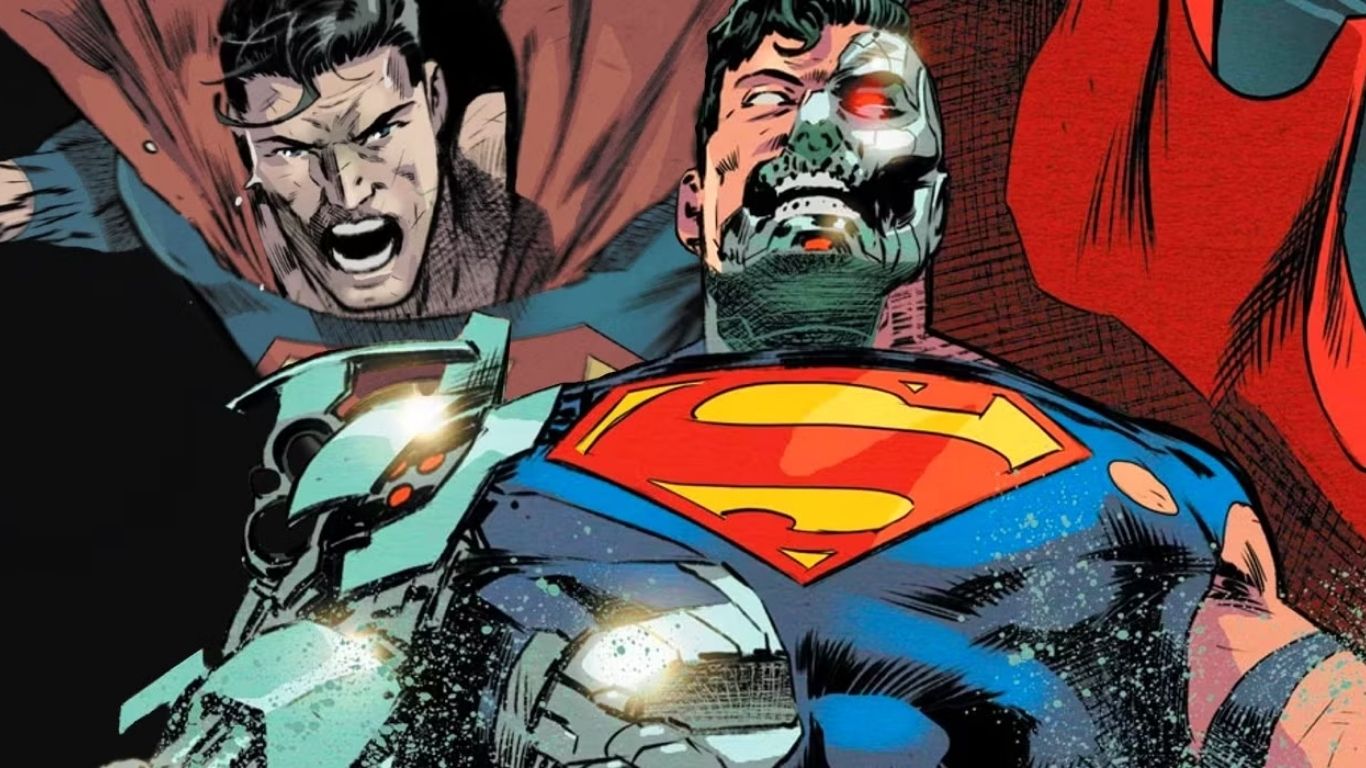
Key moments:
- The Cyborg initially masquerades as Superman with a chilling twist: he’s ruthless and has different priorities, sowing confusion among the public and heroes alike.
- As his true nature emerges, the Cyborg reveals terrifying upgrades: technopathy (control over machines), ability to infect and corrupt technology, and superhuman strength. He uses these to strike at what Superman cherished — family, city infrastructure, and the myth of trust.
- The battles are as much psychological as physical. Superman’s friends and supporters must decide whom to trust; the Cyborg undermines institutions and attempts to turn public sympathy against the real Superman when he returns.
- Climactic fights combine raw clashes with battles to prevent the Cyborg from accessing global networks or using machinery to wield mass destruction.
Outcome & fallout:
Cyborg Superman becomes one of Superman’s most personal foes — he attacks not just the man but the idea of Superman. The real Superman ultimately defeats Henshaw, but the scars remain: the arc probes identity, grief, and the perils of technological vengeance.
Why it’s great:
It’s dark, intimate, and modern: the antagonist uses technology and identity as weapons. A mirror-villain reveals what Superman stands for by embodying what he could have become under different choices.
Superman vs. Darkseid
Darkseid is the ruler of Apokolips, a tyrant whose ultimate quest is the Anti-Life Equation — absolute control over all minds. He’s less a supervillain and more a god of oppression, wielding the Omega Beams (inescapable, reality-warping energy) and legions of Parademons. Confrontations with Darkseid elevate Superman from street-level saves to universe-spanning stakes.
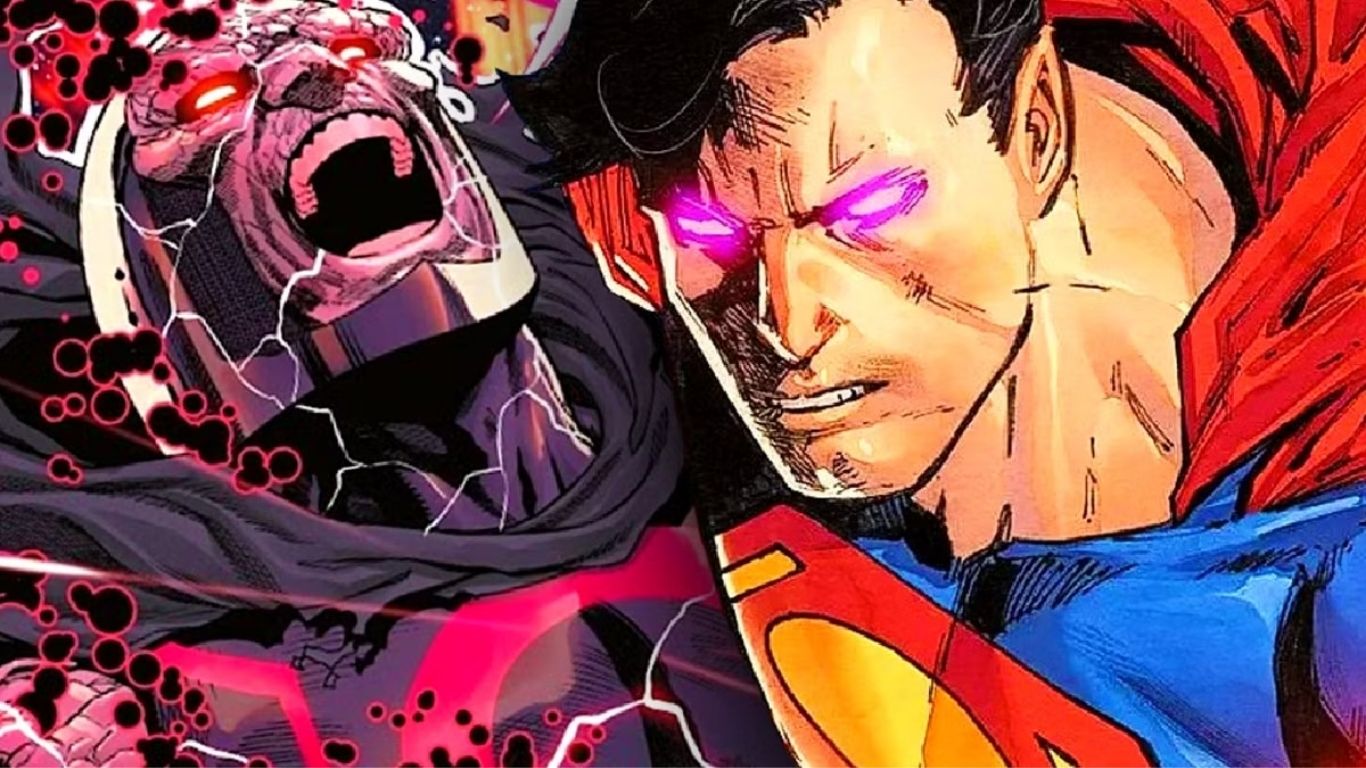
Key moments (typical epic beats):
- Darkseid’s invasions begin with psychological warfare — planetary sieges, subjugation of populations, and manipulation of governments. Superman leads the defense in ways that require diplomacy, alliance-building, and staggering force.
- Battles happen on multiple fronts: Superman physically duels New Gods and Parademons, intercepts omega beam strikes, and sometimes faces Darkseid one-on-one. Darkseid’s power is more than strength; he can wound the gods and smite heroes with metaphysical force.
- The fight often includes moral choices where Superman’s refusal to become like Darkseid — to use mind-control, fear, or genocide — becomes the real battlefield. At times Superman must draw on hope and the will of people rather than just his fists.
- Signature moments include Superman standing against Omega Beams, rescuing civilizations Darkseid would strip of agency, or collaborating with other heroes and even New Gods to stop apocalyptic schemes.
Outcome & fallout:
Darkseid is rarely permanently destroyed; conflicts end with tactical victories at monstrous cost. The clashes highlight Superman’s role as a universal beacon — his human empathy is the counterweight to Darkseid’s tyranny. The cosmic scale of these fights forces Superman (and the justice league) to redefine heroism in terms of stewardship rather than dominance.
Why it’s great:
This is Superman at his most mythic. The stakes are existential: freedom vs. control. It tests whether one man’s ideals can stand against a god whose core is the erasure of choice.