
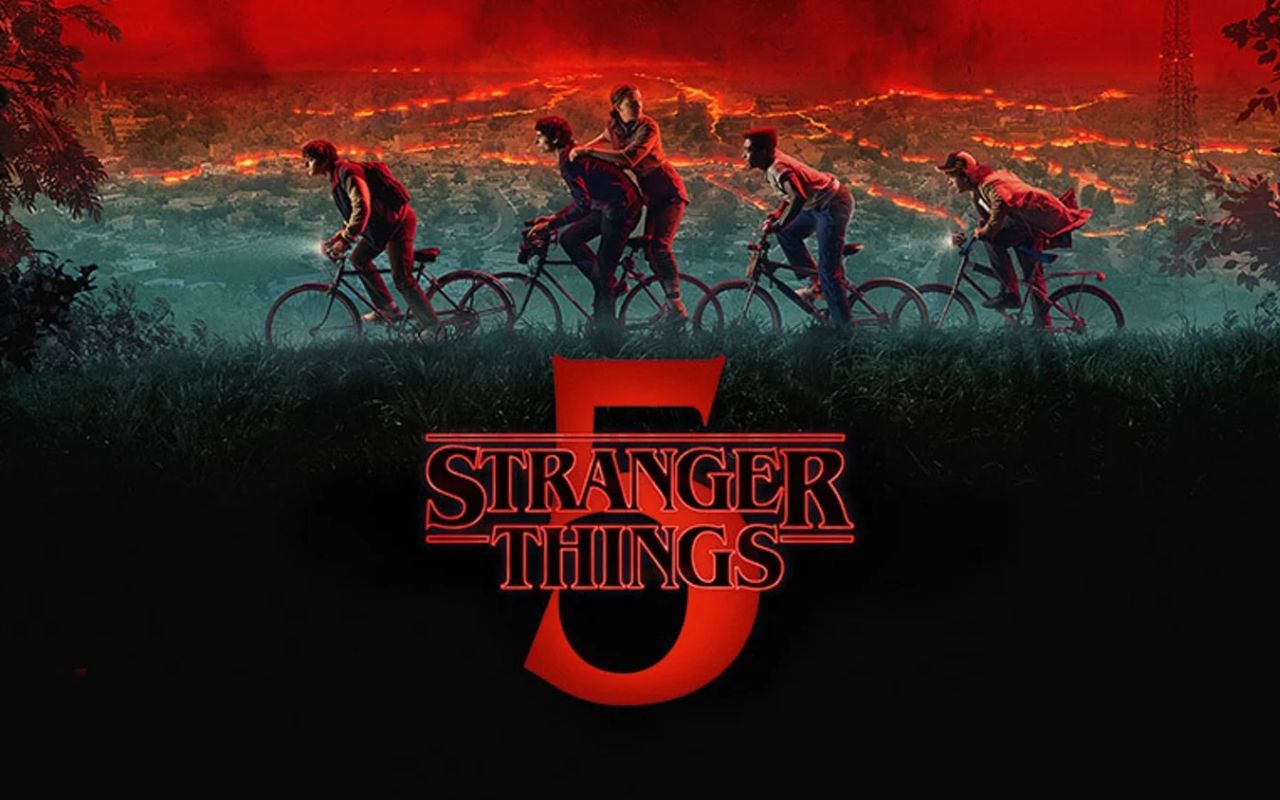
Stranger Things returns in its final season after a three-and-a-half-year hiatus, continuing its evolution from a modest nostalgia-driven show into a sprawling, high-stakes battle between realities. Set nearly two years after the Season 4 catastrophe, Hawkins, Indiana, is now a militarized quarantine zone, rigidly monitored as the characters face a world-ending threat far beyond even the U.S. military’s capacity. The series retains its blend of dark humor, whimsy, and poignant explorations of trauma and resilience while advancing a storyline that ultimately aims to decide the fate of the real world versus the Upside Down, ruled by the sinister Vecna .
The new season skillfully manages the aging of its cast through a well-executed time jump, featuring standout performances such as Caleb McLaughlin’s Lucas, who shines as a confident leading figure, and Sadie Sink’s Max, whose fate intriguingly defies traditional life-and-death boundaries. The addition of Nell Fisher’s Holly Wheeler introduces fresh visual and narrative elements reminiscent of an “Alice In Wonderland” style, offering a captivating new dimension to the show. Amid some fatigue with familiar creature designs like the Demogorgon and moments of fan-service, the chilling presence of Vecna, portrayed with campy menace by Jamie Campbell Bower, anchors the season’s horror core .
The storyline centers on a united Hawkins community resisting the Upside Down invasion from within a locked-down zone. Core characters like Joyce Byers, Eleven, Hopper, and Robin operate covertly alongside new and returning faces, using strategic locations such as the WSQK radio station to mount scouting and resistance missions. Themes of loss, grief, and survival are prominent as characters such as Dustin grapple with the protective grief over fallen friend Eddie Munson, while others, including Will, develop more complex interpersonal dynamics, notably exploring his emerging same-sex feelings through his bond with Robin. The show also expands on its universe with new threats, including a secret lab run by Dr. Kay, who is experimenting on Upside Down creatures, maintaining the franchise’s long-standing mysterious scientific underpinnings .
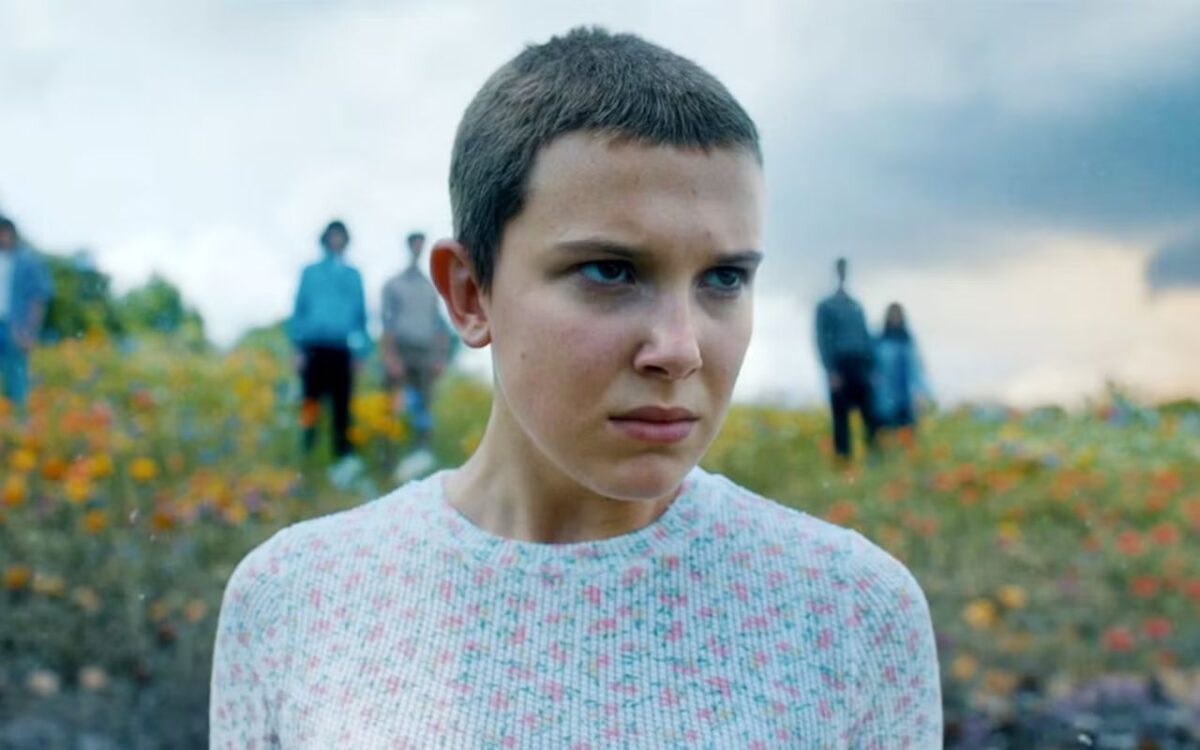
While the season’s opening episode bears the burden of heavy exposition and some less compelling character moments, subsequent episodes regain the show’s momentum by returning to its horror roots and intricate plot weaving. Frank Darabont’s direction in “Chapter Three: The Turnbow Trap” highlights thrilling action sequences and deepens the menace of Vecna. The voluminous season 5, volume 1 finale delivers a gripping blend of ’80s sci-fi homage and intense action. It showcases Max’s resolute battle against Vecna and a powerful, large-scale escape sequence underscored by significant emotional and narrative developments. These developments set the stage for the impending conclusion, intensifying both the conflict and characters’ journeys .
Ultimately, Stranger Things Season 5, Vol. 1 is a testament to the series’ growth, balancing its signature nostalgic charm with mature storytelling and a high-octane, universe-spanning conflict. It embraces its ensemble cast and immersive community setting to deliver a richly layered narrative that captures the evolving spirit of Hawkins and its defenders, preparing audiences for a final resolution that promises to be as thrilling as it is emotional .