

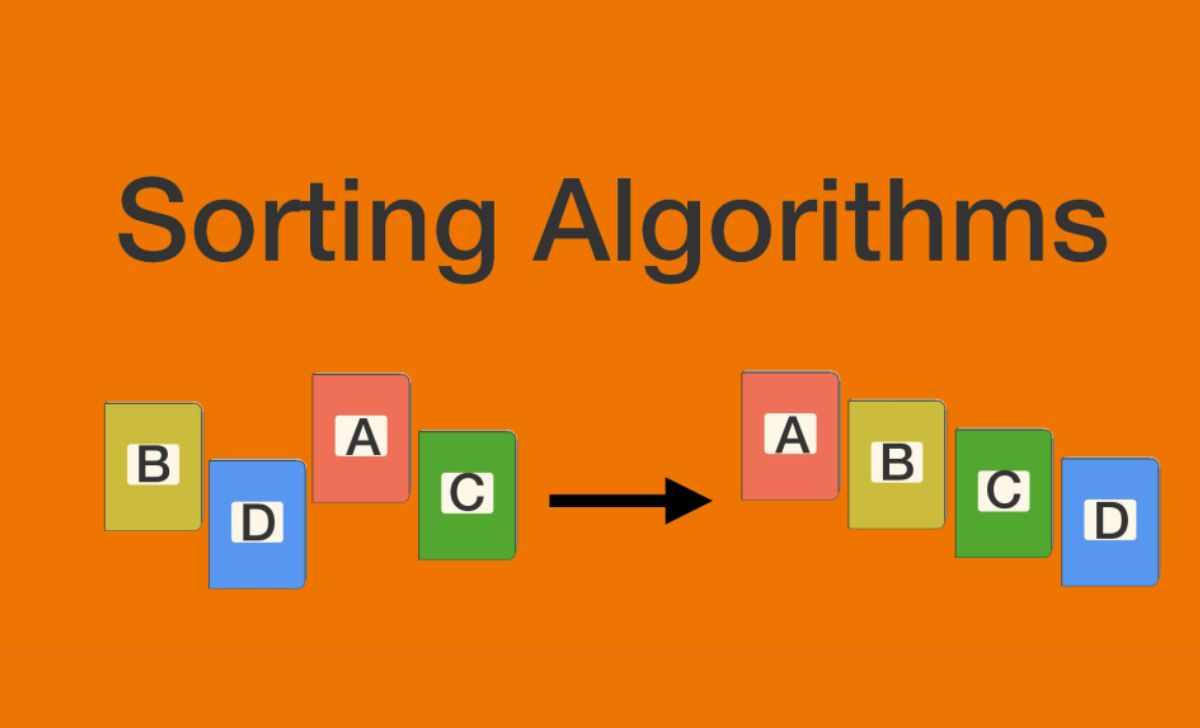
Sorting is at the heart of computer science—and surprisingly, it can be explained with something as simple as organizing books in a library. Imagine receiving 1,280 unsorted books just a day before students flood in. Without a working system, how could you possibly arrange them all in time? This is where sorting algorithms come in. From the slow and steady Bubble Sort to the efficient QuickSort, each method shows us different ways computers (and humans) can handle chaos and bring order.
Bubble Sort: The Most Basic Sorting Algorithm
Bubble Sort is often the first algorithm beginners learn. It works like this:
- Start at one end and compare two books.
- If they’re in order, leave them. If not, swap them.
- Keep moving along until the biggest book “bubbles” to the end.
You then repeat the process until every book is in its proper place.
The downside? Bubble Sort is incredibly inefficient for large tasks. Sorting 1,280 books this way would require over 818,000 comparisons, taking more than nine days if each comparison took a second. That’s why Bubble Sort is more educational than practical.
Insertion Sort: Building Order Step by Step
Insertion Sort takes a smarter approach. Instead of dragging the largest item to the end, it builds a sorted section piece by piece.
- First, sort the first two books.
- Take the third, compare it backward, and insert it into the correct spot.
- Continue until all books are slotted neatly into place.
This is a lot like organizing playing cards in your hand. It cuts down the comparisons dramatically—about 409,000 comparisons instead of 818,000. But even that would take almost five days, which is far too slow for real-world applications.
QuickSort: The Fast and Efficient Choice
If Bubble Sort is slow and Insertion Sort is better but still inefficient, QuickSort is the algorithm that saves the day. It uses a clever strategy called partitioning:
- Choose a random “pivot” book.
- Place all smaller books to its left and all larger ones to its right.
- Repeat the process within each group until everything is sorted.
This drastically reduces the work. Instead of comparing every book with every other book, you only need around 8,960 seconds (about 2.5 hours) of partitioning plus a quick clean-up for smaller groups. In total, QuickSort can sort all 1,280 books in under three and a half hours.
That’s why QuickSort is widely used today—in tasks like sorting online store products by price, ranking search results, and even finding the nearest gas stations on a map.
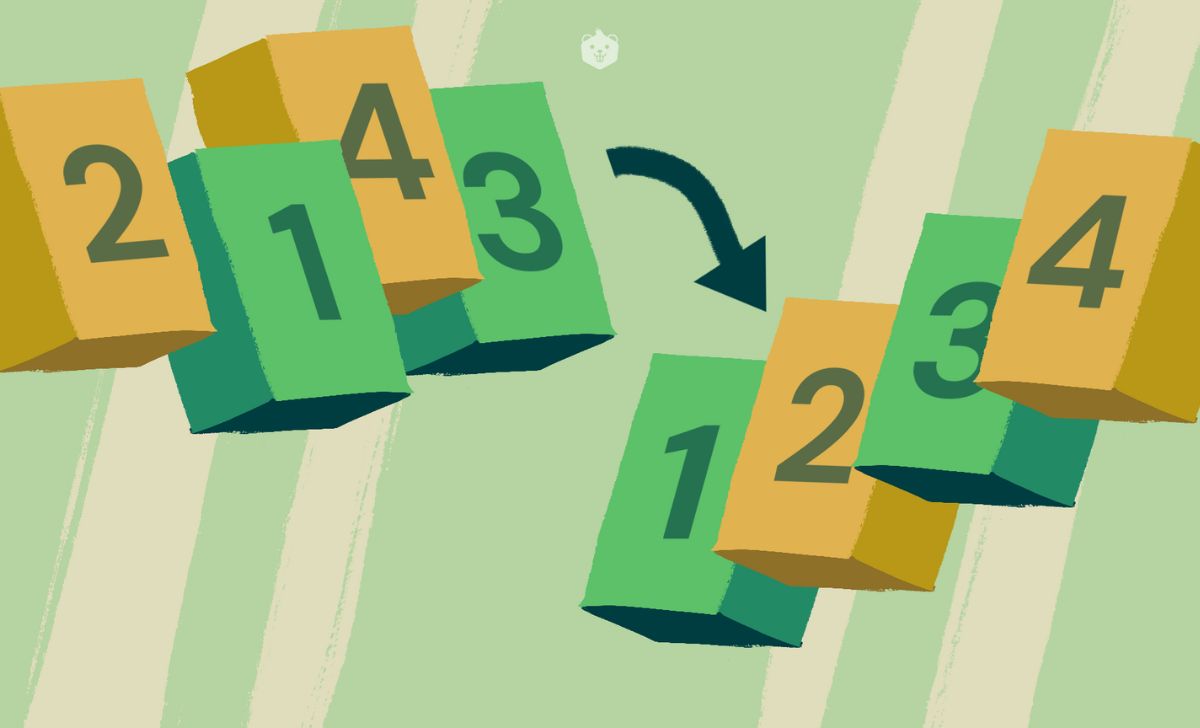
Why Sorting Algorithms Matter Beyond Books
Sorting algorithms may sound like abstract concepts, but they impact daily life more than most people realize. Every time you:
- Search for the cheapest flight,
- See a price list in order on Amazon,
- Or get location results sorted by distance,
…algorithms like QuickSort are working behind the scenes.
In the case of our library crisis, QuickSort not only saves the librarian hours of frustration but also ensures students find what they need without delay.
Final Thoughts: Choosing the Right Algorithm
Sorting 1,280 books is a perfect example of why the choice of algorithm matters.
- Bubble Sort is simple but too slow.
- Insertion Sort is better but still impractical.
- QuickSort strikes the perfect balance, handling large tasks with impressive efficiency.
So, the next time you shop online, stream a playlist, or even search Google, remember—algorithms like QuickSort are quietly making sure everything is in the right order.