
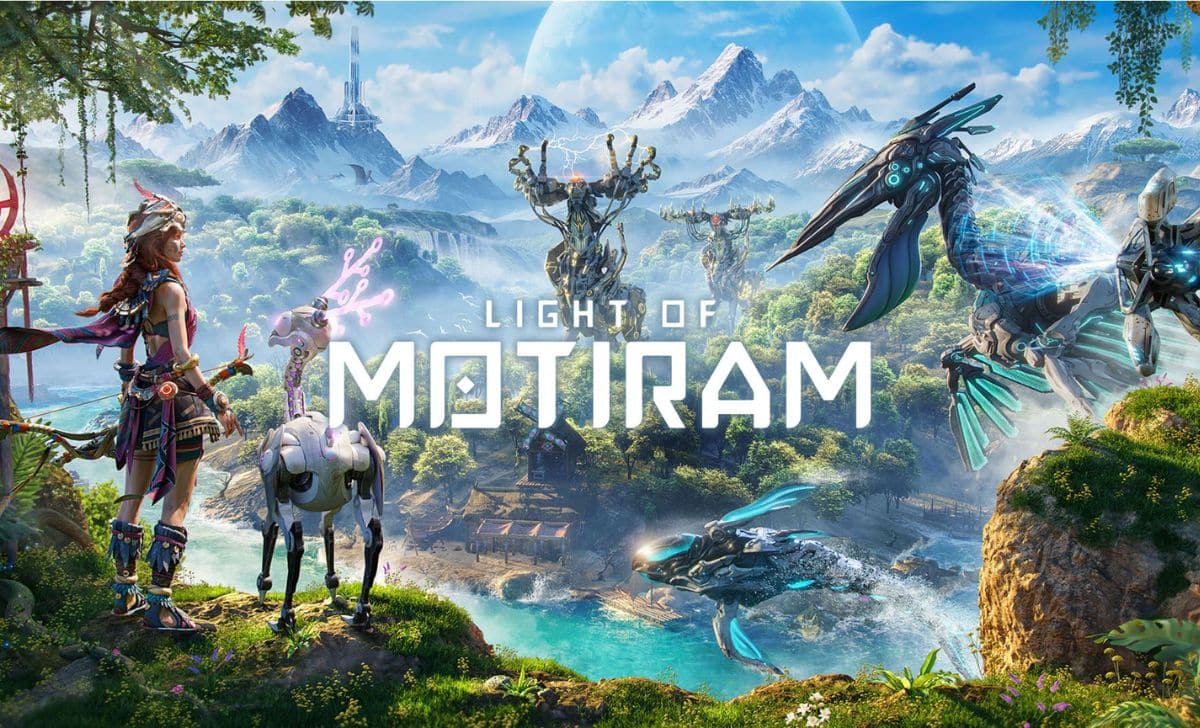
Sony Interactive Entertainment has taken a bold legal step by filing a lawsuit against Chinese tech giant Tencent, accusing it of blatantly copying the Horizon video game franchise. At the heart of the dispute is Tencent’s upcoming game Light of Moritam (also referred to as Motiram in some sources), which Sony claims is a “slavish clone” of its hit titles Horizon Zero Dawn and Horizon Forbidden West.
Sony Files Lawsuit in California Federal Court
On July 25, Sony filed a formal complaint—Sony Interactive Entertainment LLC v. Tencent Holdings Ltd (Case No. 3:25-cv-06275)—in a California federal court, accusing Tencent of copyright and trademark infringement. According to the legal filing, Tencent has unlawfully replicated the “protected audiovisual elements” of the Horizon series and adopted a character design so similar that it risks confusing consumers.
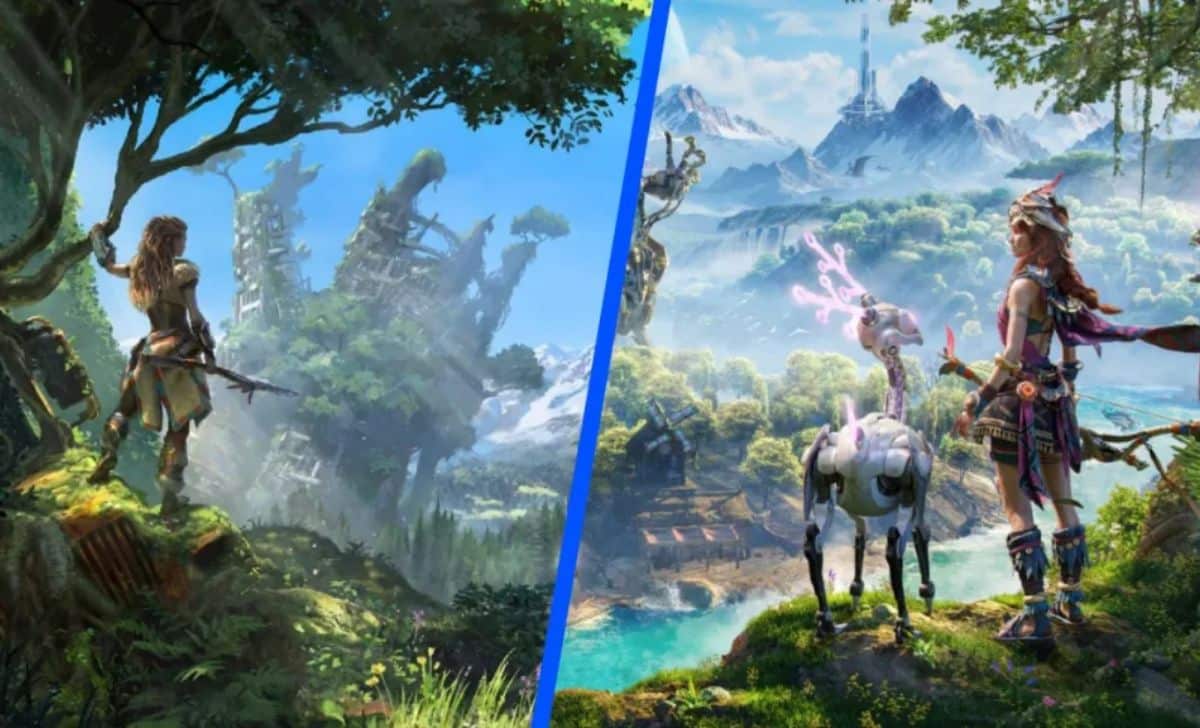
Sony’s complaint is backed by side-by-side visual comparisons showing the near-identical character design, enemies, and world aesthetic between the two games. The company believes this copying could cause “irreparable harm” not just to the brand but also to the gaming community that supports it.
What Is Light of Moritam, and Why Is It Controversial?
Tencent’s Light of Moritam has been under scrutiny since its announcement. Many observers quickly noticed its heavy visual and narrative resemblance to Horizon’s world. Sony claims the game replicates key gameplay elements, storytelling structure, and even the protagonist’s visual style—including her iconic red hair, tribal clothing, facial markings, and sci-fi/Viking blend of design.
According to Sony, the similarities are so striking that they led some gamers to mistakenly believe Light of Moritam was part of the Horizon franchise, especially after Tencent used the Horizon-like character in pre-release marketing and gameplay videos.
Background: Tencent’s Failed Pitch and Sony’s Repeated Warnings
This legal feud stems from a failed collaboration pitch. In March 2024, at a gaming conference in San Francisco, Tencent reportedly approached Sony with a proposal to co-develop a new Horizon game. Sony declined the offer and considered the matter closed.
However, Tencent continued development on Light of Moritam, prompting Sony to raise IP concerns again earlier this year. Sony alleges it made multiple informal attempts to resolve the issue, including direct communication with Tencent executives. Despite Sony’s objections and refusal to license the Horizon IP, Tencent signaled it would proceed with the game’s development and release.
Sony Seeks Damages and a Complete Ban on the Game
Sony is asking the court for both preliminary and permanent injunctions to stop the release of Light of Moritam. It also seeks statutory damages of up to $150,000 per infringed work from the Horizon franchise. That could add up to a massive payout, given the number of elements allegedly copied.
The lawsuit doesn’t stop at just aesthetic similarities. It specifically targets Tencent’s use of Horizon-like characters and design in marketing materials, which Sony says caused widespread confusion. The company warns that allowing the game to launch would hurt the brand’s integrity and mislead consumers.
Why This Lawsuit Matters
This isn’t just about one game copying another. The case ties into larger issues surrounding intellectual property rights and global game development, particularly the long-standing perception that some Chinese companies don’t fully respect IP boundaries.
Horizon Zero Dawn launched in 2017 and quickly became one of Sony’s flagship franchises, selling tens of millions of copies globally. It has since expanded into sequels and spin-offs, including LEGO Horizon Adventures released in 2024. The stakes are high, with significant financial and reputational damage on the line for Sony if imitation games go unchallenged.
What’s Next for Tencent and Light of Moritam?
The future of Light of Moritam is uncertain. The lawsuit alone might delay or derail its release. If the court sides with Sony, Tencent may be forced to shelve the game entirely or pay a hefty settlement. On the other hand, Tencent could choose to defend its design as original and argue against the infringement claims.
As of now, neither Sony nor Tencent has publicly commented on the lawsuit, but the gaming world is watching closely. If Sony wins, it could set a new standard for protecting IP in the gaming industry—especially in an era where high-quality visuals and shared genre aesthetics often blur the lines between inspiration and imitation.