
Silent Hill f Review: Silent Hill f arrives heavy with expectation — and it mostly delivers. Blending classic Silent Hill psychology with an unmistakably Japanese setting, the game reimagines the franchise’s core ideas while carving a bold, new path for future entries.
A town unlike any Silent Hill before
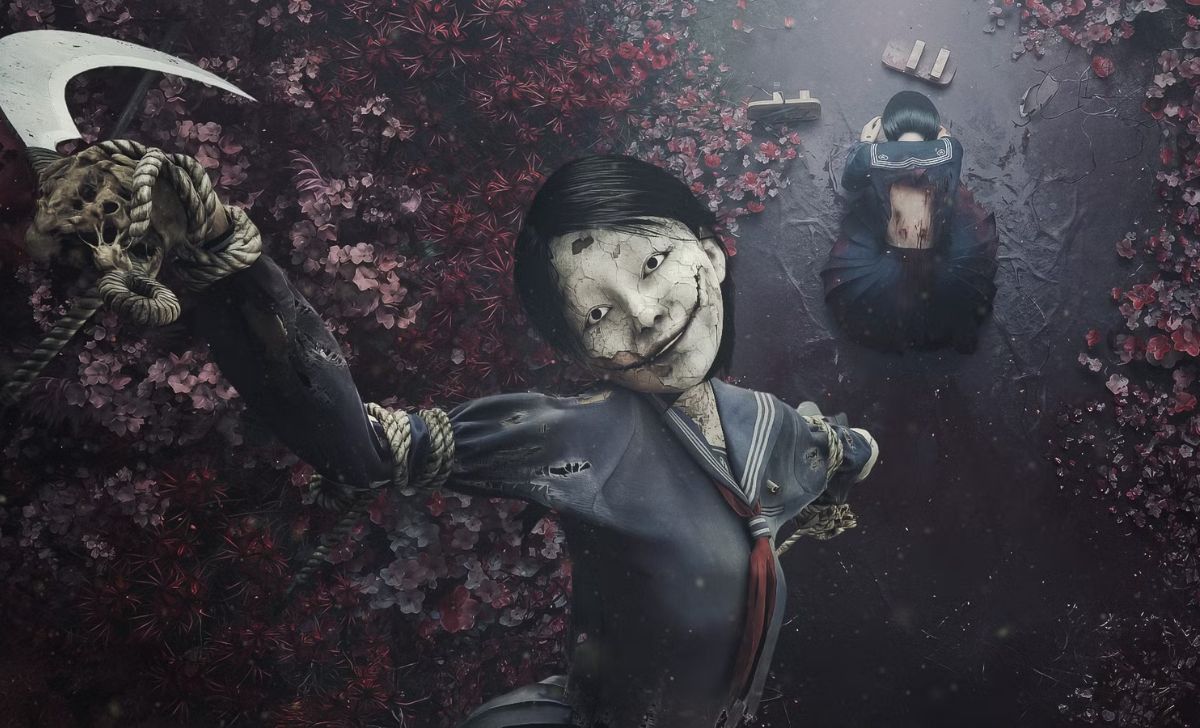
Silent Hill f relocates the series from its familiar American small-town backdrop to Ebisugaoka, a fictional Japanese countryside hamlet set in the 1960s. The town’s fog-choked streets, wooden homes, verandas and farmlands evoke Showa-era detail, making the environment feel both lived-in and quietly menacing. As you move through Ebisugaoka you alternate between the town as you know it and the Dark Shrine — the series’ “otherworld” where ritual, decay, and psychic torment twist reality. That contrast gives the game its signature dread: cozy familiarity that can flip to grotesque nightmare in an instant.
A protagonist shaped by society and secrets
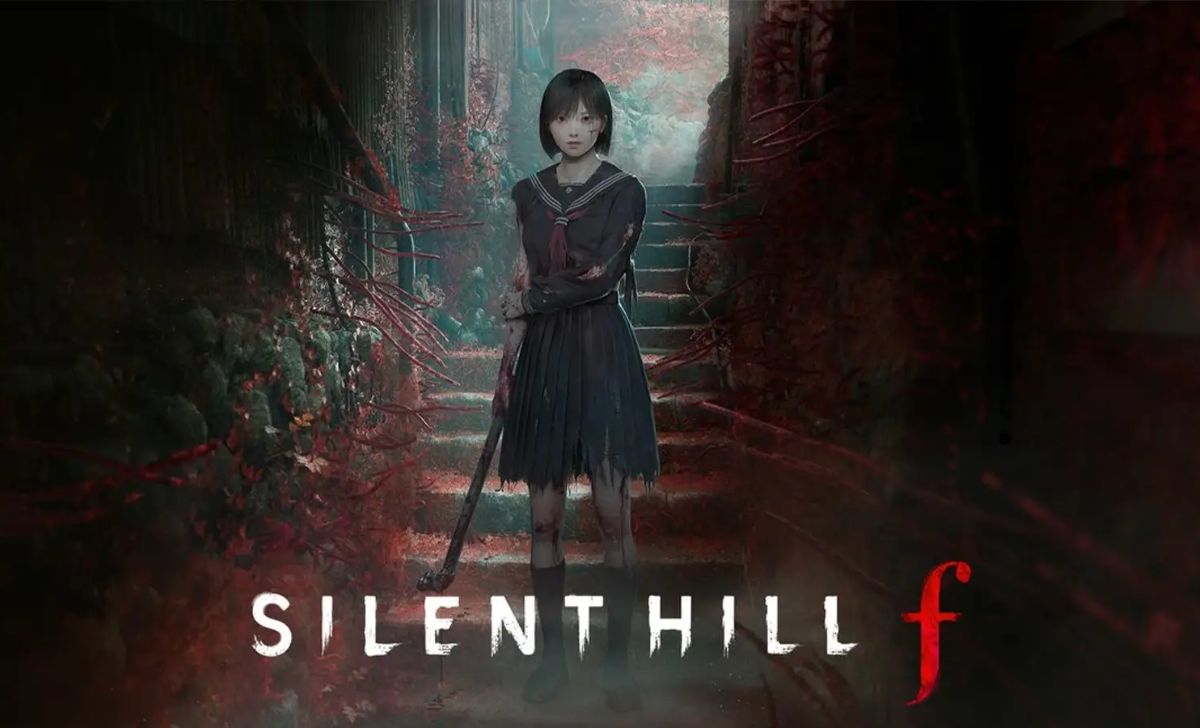
You play Hinako Shimizu, a teenage high-schooler whose ordinary, domestic troubles become the engine of the horror. Her close bond with childhood friend Shu, a strained friendship with Rinko, and the pressures of rigid gender roles in 1960s Japan all inform the game’s central conflicts. Silent Hill f uses those interpersonal frictions — guilt, shame, social expectations — to fuel its monsters and surreal set-pieces. The result feels less like a new coat of paint on the series and more like a natural evolution: the franchise’s obsession with inner darkness transplanted into Japanese folklore and social context.
Folklore, rituals, and the voice of Ryukishi07
Konami tapped Ryukishi07 (creator of Higurashi When They Cry) to write the story, and his influence shows. The narrative leans into shrine lore, local rituals, and the small-town secrets that quietly corrode community life. The writing keeps ambiguity at its center — the game repeatedly asks whether Hinako, the town, or the society itself is unraveling — and it reveals answers in pieces, through cutscenes, collected notes, and Hinako’s journal entries. Multiple endings and rich environmental clues encourage replaying and discussion, making Silent Hill f a game that invites interpretation rather than offering tidy closure.
Psychological horror that asks “what’s real?”
One of Silent Hill’s signature questions — “is this a dream?” — sits at the heart of f. Where survival-horror franchises often rely on tangible threats and scarcity, Silent Hill f weaponizes perception: monsters and spaces reflect internal states, and the line between sanity and delusion blurs. The game’s pacing and storytelling keep that ambiguity taut; key reveals arrive at carefully chosen moments so the player stays off balance without feeling cheated.
Gameplay: puzzles, exploration — and combat that divides
Mechanically, Silent Hill f assembles much of the series’ best-known toolkit. Exploration and environmental puzzle-solving sit at the core, with puzzles that frustrate just enough to feel meaningful without crossing into cruelty. The balance of guidance and discovery pays off: you rarely feel aimless, and solving a mystery rewards patience.
Combat, however, proves divisive. The game layers dodge, parry, light/heavy strikes and focus attacks into frequent encounters. Some players will appreciate the depth; others — including some early impressions — find the system both slow and occasionally overused. A few reviewers argued they would have traded some combat encounters for extra puzzles or quieter stretches of exploration; either way, the combat demands attention and timing in a way that not all Silent Hill fans will welcome.
Presentation: sound, visuals, and cutscenes
Silent Hill f looks and sounds spectacular. Built in Unreal Engine 5, the game blends cinematic cutscenes and in-game action so seamlessly they often feel indistinguishable. Environments feature fine detail, and the Dark Shrine’s grotesqueries deliver properly unsettling visuals. Series veteran Akira Yamaoka returns on score and sound design, crafting an audio atmosphere that constantly keeps the player on edge. Many critics singled out the cutscenes as especially stylish and artfully directed — they do heavy narrative work without interrupting the game’s momentum.
Length, performance and practical notes
Early impressions report substantial content — one playthrough reviewer logged roughly 17 hours — and the multiple endings and mysteries suggest significant replay value. On PC, the game runs smoothly on modern hardware: one test setup (Ryzen 5 7600X, GeForce RTX 5070, 32GB DDR5) handled 1440p at high settings with only minor hitches and no crashes during extended play. Silent Hill f releases on PC (Steam and Epic), PlayStation 5, and Xbox Series X/S.
Pricing
Here are the prices for Silent Hill f (Standard and Deluxe) on PC, Xbox, and PlayStation, based on official storefronts.
| Platform / Store | Standard Edition Price (USD) | Deluxe Edition Price (USD) |
|---|---|---|
| PC (Steam, etc.) | $69.99 | $79.99 |
| Xbox / Microsoft Store | $69.99 | $79.99 |
| PlayStation Store (US/North America) | $69.99 | $79.99 |
Final verdict: a revival with a distinct voice
Silent Hill f succeeds at marrying classic franchise themes — inner guilt, distorted realities, and character-driven horror — to a fresh cultural setting. The game honors the series’ DNA while leaning hard into Japanese folklore and social texture, producing a title that feels both familiar and newly alive. Its strengths — atmosphere, narrative ambiguity, production values, and a protagonist whose personal life fuels the horror — make it arguably the strongest new Silent Hill entry in years. Combat pacing and frequency remain the biggest sticking points, but they don’t derail what is otherwise a memorable, ambitious return for the franchise.