
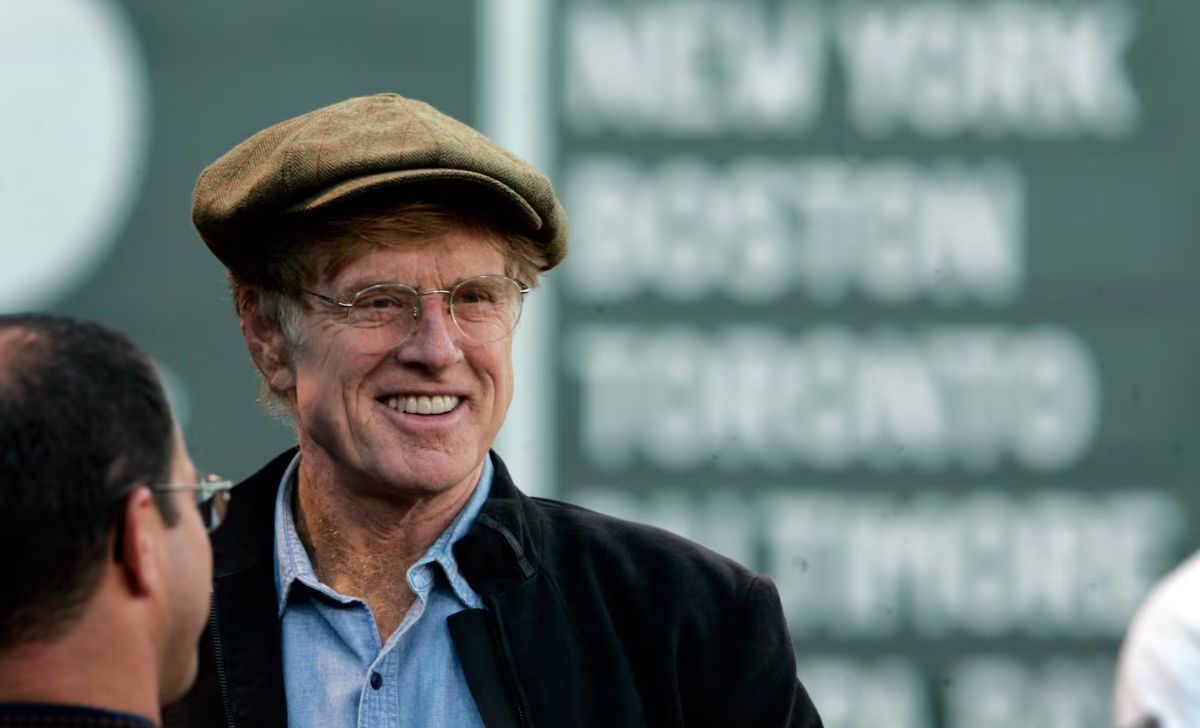
Robert Redford, the Oscar-winning actor and filmmaker whose face and conscience helped define modern American cinema, died on September 16, 2025. He was 89. According to statements released to the press, Redford passed away at his home in the Sundance area of Utah — a place he loved and where he built much of his life’s work — surrounded by family. The family has asked for privacy.
From restless youth to the stage lights
Born in California on August 18, 1936, Redford’s early life steered him between athletics, art and travel. He took a partial baseball scholarship to the University of Colorado, spent time painting and studying in Europe, then returned to the United States to train at the American Academy of Dramatic Arts, graduating in 1959. A string of television appearances and steady stage work led to his Broadway break in Neil Simon’s Barefoot in the Park in 1963 — a part he later carried to the screen and that opened the door to larger movie roles.
Becoming a movie star — and changing the type
Redford swiftly moved from promising newcomer to one of Hollywood’s most bankable leading men. His early film work included a Golden-Globe-winning turn in Inside Daisy Clover, but his profile vaulted with two career-defining collaborations: Butch Cassidy and the Sundance Kid (1969), opposite Paul Newman, and The Sting (1973), which reunited the pair and earned Redford an Academy Award nomination for Best Actor. Across the 1970s he took a string of varied parts — from the political cynicism of The Candidate to the isolated, against-type mountain man in Jeremiah Johnson — showing both commercial appeal and a willingness to challenge expectations.
Peak years and cultural impact
Redford anchored several of the decade’s most discussed films. He played Bob Woodward opposite Dustin Hoffman’s Carl Bernstein in All the President’s Men (1976), a film that captured the post-Watergate moment and went on to earn multiple Oscars and a place in the National Film Registry. He kept choosing work that engaged with the world around him — and did so while remaining, often paradoxically, both a box-office draw and an actor interested in risk.
The director, mentor and Sundance founder
Redford moved behind the camera with the same seriousness he brought to acting. His directorial debut, Ordinary People (1980), won the Academy Award for Best Picture and earned him Best Director. He went on to direct acclaimed films including A River Runs Through It, Quiz Show and The Horse Whisperer, showing a steady interest in character-driven stories and moral complexity.
Outside the studio system, Redford became an institutional force for independent film. He founded the Sundance Institute in 1981 to support emerging artists, and the organization later took over the U.S. Film Festival and transformed it into the Sundance Film Festival — now a global launching pad for new voices in cinema. Through workshops, grants and a high-profile festival, Redford helped cultivate filmmakers whose work reshaped American film culture.
Activism, conservation and civic engagement
Long before celebrity conservationism became common, Redford wedded his public profile to environmental and civic causes. He co-founded the Redford Center with his family to promote environmental justice through storytelling, served as a trustee or board member for several conservation organizations, and lent his influence to Native American and civil-rights issues. He spoke often, and bluntly, about politics: skeptical of hollow campaigning, outspoken about climate change, and persistent in using film and media to pose moral questions rather than offering simple answers.
Later work and stepping back
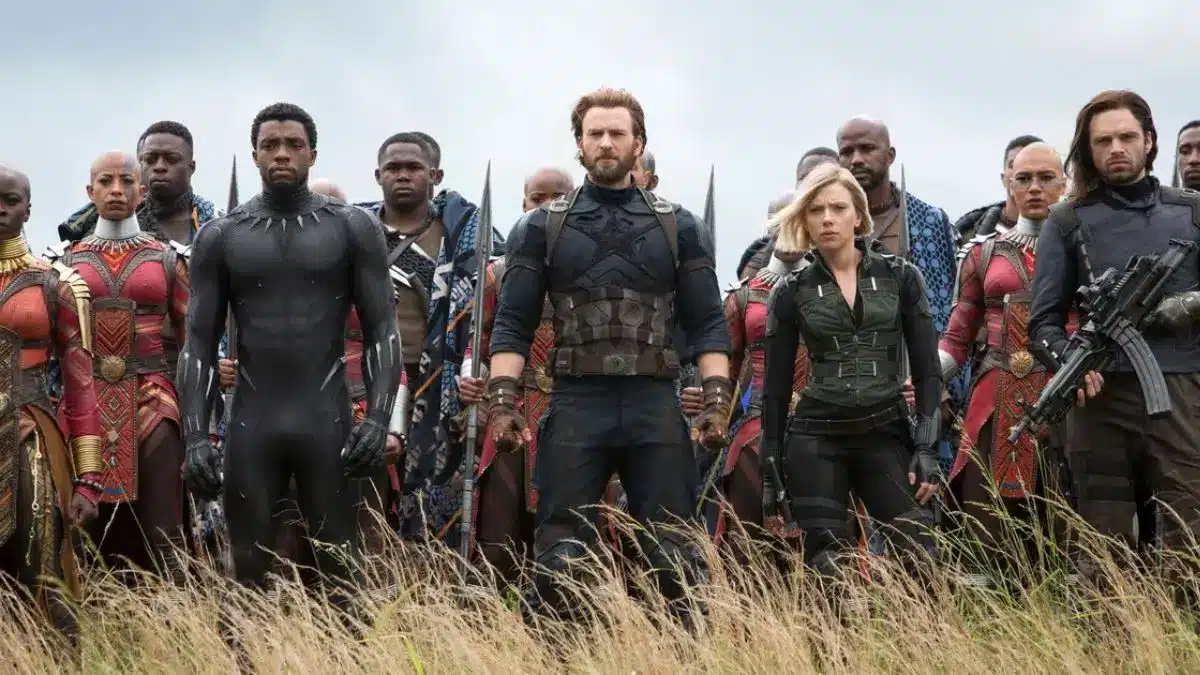
Redford never stopped working into his later years. He delivered a near-silent, searing performance in All Is Lost (2013), took a memorable villainous turn in a major studio superhero film, reunited with Jane Fonda for Our Souls at Night (2017), and appeared in The Old Man & the Gun (2018) — a role he said at the time might mark a turning point away from frequent acting. He alternated between saying he would “step back” and resisting the label of retirement, preferring to describe his life as one of continuous work and curiosity.
Honors that tracked a long career
Awards followed both his artistry and his advocacy: an Academy Award for Best Director for Ordinary People, an honorary Oscar recognizing his lifetime contributions, the Cecil B. DeMille Award, the Screen Actors Guild Life Achievement Award, the National Medal of the Arts and the Presidential Medal of Freedom, among others. Those honors reflected not just a long list of credits but a reputation for seriousness about craft and an effort to use fame for other people’s stories.
Family and private life
Redford’s personal life included two marriages and four children. His first marriage, to Lola Van Wagenen, lasted nearly three decades and produced most of his children; the couple later divorced. He married artist Sibylle Szaggars in 2009. He experienced private sorrow as well as public success: one of his children died in infancy, and one of his sons, a filmmaker and activist, predeceased him in 2020. In recent statements, family members asked for space to grieve.
What he leaves behind
Robert Redford’s career blended star wattage with an insistence on independence — as a performer, a director and an institutional builder. He made big studio movies and small, risky pictures; he used his platform to build a festival and institute that put new artists onstage; he argued for environmental stewardship long before it became mainstream. More than a résumé, his legacy may be that he insisted, repeatedly and publicly, that what mattered most was doing the work itself: the climb up the mountain, not merely the view from the summit.
The film world and many causes he championed will mark his absence in the weeks and months ahead. Those who admired him — whether for a role that shaped a childhood or for a festival that changed a career — will now be left to measure the distance of the path he helped carve.