
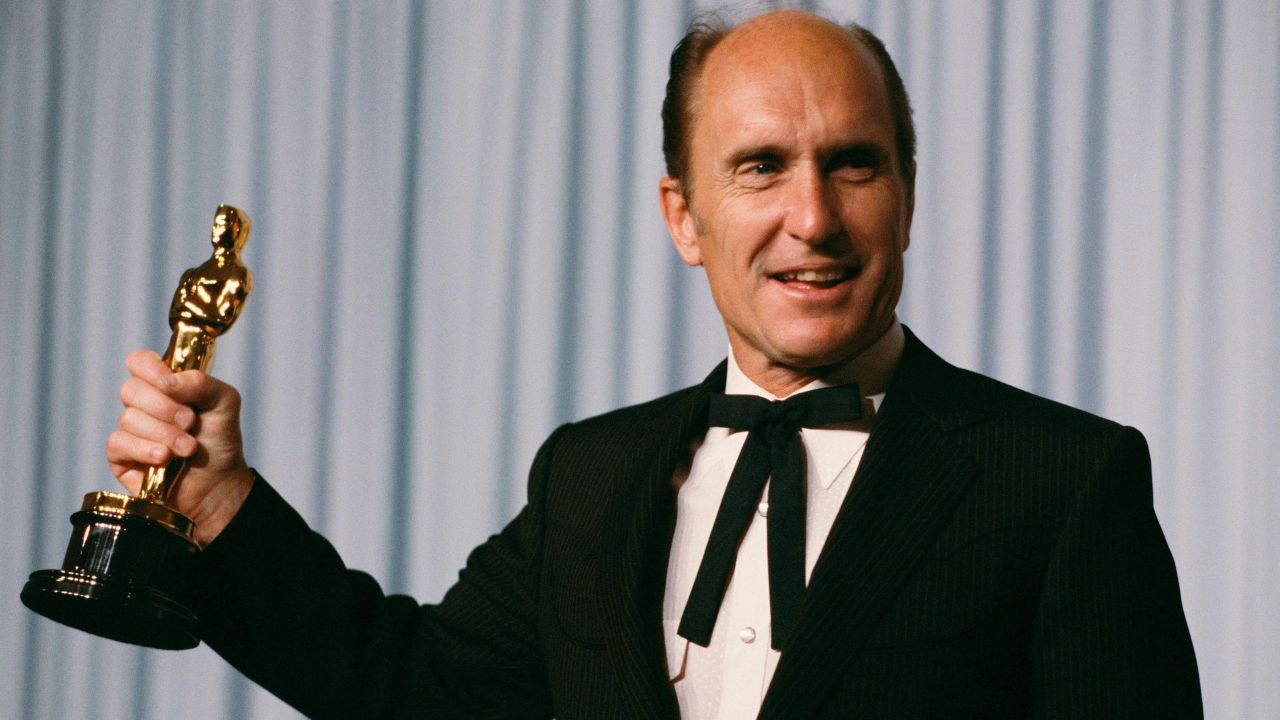
Robert Duvall, one of the most respected and enduring actors in American film history, died peacefully at his home in Middleburg, Virginia, at the age of 95. His death marks the end of a remarkable career that spanned nearly six decades and helped shape modern Hollywood. He passed away with his wife, Luciana Duvall, by his side.
In a heartfelt message, Luciana reflected not only on his professional legacy but also on the man behind the roles. To audiences, he was an Academy Award–winning actor, director, and storyteller. To her, he was simply everything. She described his devotion to his craft and his profound love for bringing characters to life with authenticity and emotional truth.
His family said he did not wish for a formal service. Instead, they encouraged those who admired him to honor his memory by watching a great film, sharing stories with friends, or enjoying the quiet beauty of the countryside—simple pleasures that reflected the thoughtful life he lived.
A Career Defined by Iconic Roles and Emotional Depth
Robert Duvall built a career that few actors could match, moving effortlessly between leading roles and unforgettable supporting performances. He possessed a rare ability to disappear into his characters, whether portraying powerful figures or deeply flawed individuals.
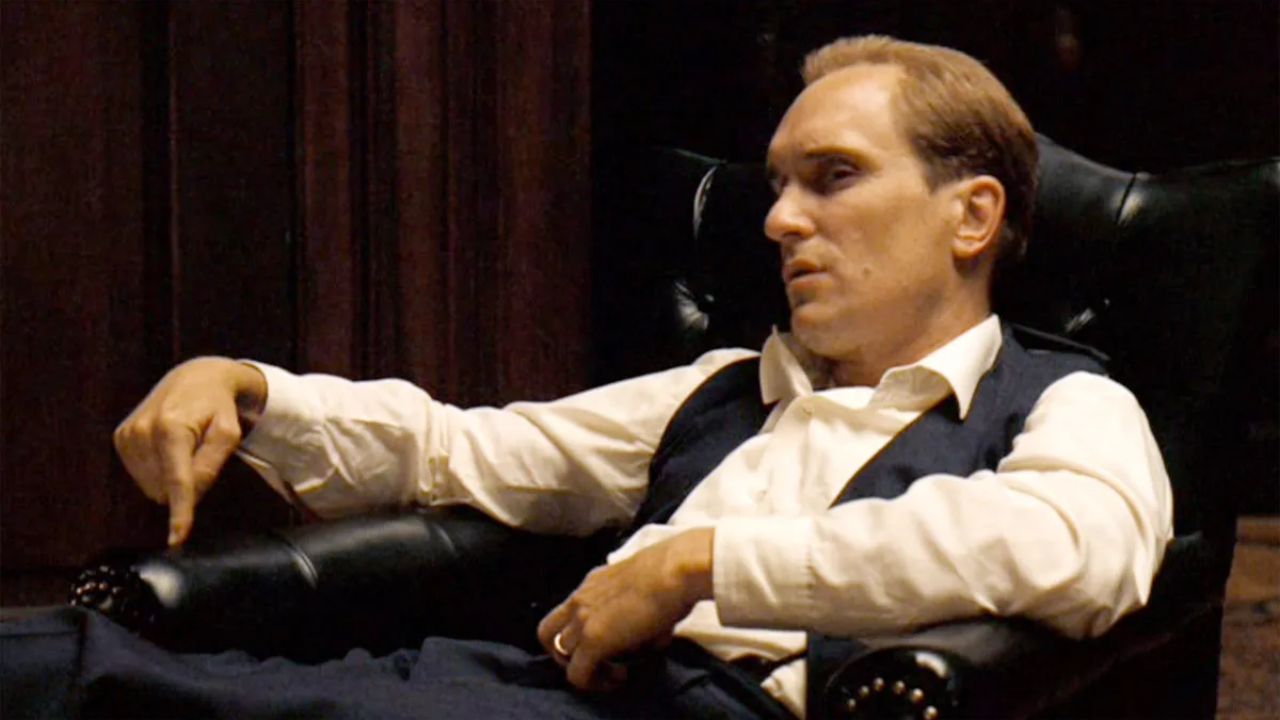
He is perhaps best remembered for his role as Tom Hagen, the calm and calculating consigliere to the Corleone family in The Godfather (1972) and The Godfather Part II (1974). His portrayal earned him his first Academy Award nomination and secured his place in cinematic history. Duvall later reflected that during the making of The Godfather, the cast and crew sensed they were creating something truly special.
Another of his most iconic performances came in Francis Ford Coppola’s Apocalypse Now (1979), where he played the unforgettable Lt. Col. Bill Kilgore. Wearing his signature cavalry hat and delivering the famous line, “I love the smell of napalm in the morning,” Duvall created one of cinema’s most memorable characters. The line became so famous that fans would repeat it to him for decades.
But Duvall’s talent extended far beyond a handful of legendary roles. He brought emotional intensity to films like Network (1976), The Great Santini (1979), and The Natural (1984). He also appeared in major productions such as Days of Thunder, Falling Down, Deep Impact, and Gone in 60 Seconds, as well as later films like The Judge (2014) and Widows (2018).
His performances were not defined by spectacle but by authenticity. Whether playing military officers, lawyers, fathers, or outcasts, Duvall conveyed the complexity of human experience with remarkable subtlety.
An Academy Award and Numerous Honors
Over the course of his career, Duvall received seven Academy Award nominations and won the Oscar for Best Actor in 1984 for his role in Tender Mercies. In the film, he portrayed Mac Sledge, a troubled country singer struggling with alcoholism and redemption. His performance was widely praised, and he even performed his own singing for the role.
He was also nominated for Golden Globes seven times, further reflecting the industry’s recognition of his extraordinary talent.
Even late in his career, Duvall continued to earn critical acclaim. His role in The Judge earned him another Oscar nomination, making him, at the time, the oldest male actor ever nominated in that category.
Early Life and the Road to Acting
Robert Seldon Duvall was born on January 5, 1931, in San Diego, California. His father, William Duvall, was a U.S. Navy rear admiral, and his mother, Mildred Hart, was an amateur actress. Because of his father’s military career, Duvall spent much of his childhood moving between Navy bases.
He graduated from Principia College in Illinois in 1953 and served two years in the U.S. Army during the Korean War. After completing his military service, he decided to pursue acting and enrolled at the Neighborhood Playhouse School of the Theatre in New York.
There, he studied under the renowned acting teacher Sanford Meisner. His classmates included Dustin Hoffman, Gene Hackman, and James Caan—actors who would later become major figures in Hollywood. During those early years, Duvall struggled financially, working odd jobs and sharing apartments with Hoffman and Hackman while building his career in theater and television.
Breakthrough and Rise to Fame
Duvall made his film debut at age 31 in To Kill a Mockingbird (1962), playing Boo Radley, a mysterious and reclusive character. Though it was a small role, it left a lasting impression and marked the beginning of his film career. Throughout the 1960s, he continued to appear in television shows, stage productions, and films such as True Grit (1969) and The Rain People (1969).
The 1970s proved to be a turning point. Duvall became a key figure in the “New Hollywood” era, working alongside directors like Francis Ford Coppola and George Lucas. He appeared in Robert Altman’s MASH* (1970) and played the lead role in Lucas’s science fiction film THX 1138 (1971). His work during this period helped redefine American cinema, moving it toward more realistic storytelling and complex characters.
A Filmmaker and Passionate Storyteller
In addition to acting, Duvall also directed and wrote several films. His directorial debut came with Angelo My Love (1983), followed by The Apostle (1997), a deeply personal project that he wrote, directed, and financed himself.
In The Apostle, Duvall played a preacher seeking redemption, delivering one of the most powerful performances of his career. He later directed Assassination Tango (2002) and Wild Horses (2015), demonstrating his creative range behind the camera.
Duvall approached filmmaking with the same passion and dedication that defined his acting. He cared deeply about storytelling and authenticity, qualities that made his work resonate with audiences.
Tributes from Hollywood and Beyond
Following his death, tributes poured in from fellow actors, filmmakers, and fans. Director Francis Ford Coppola described his passing as a tremendous loss, calling Duvall a great actor and an essential part of American cinema.
Al Pacino, who starred alongside him in The Godfather, said Duvall was a “born actor” whose talent and understanding of the craft would never be forgotten. Robert De Niro offered his condolences, expressing admiration for Duvall’s long life and career.
Actor Jamie Lee Curtis called him “the greatest consigliere the screen has ever seen,” while Adam Sandler praised him as one of the greatest actors of all time and remembered him as both talented and kind. Turner Classic Movies also honored Duvall, noting that his storytelling transcended generations.
Personal Life and Lasting Legacy
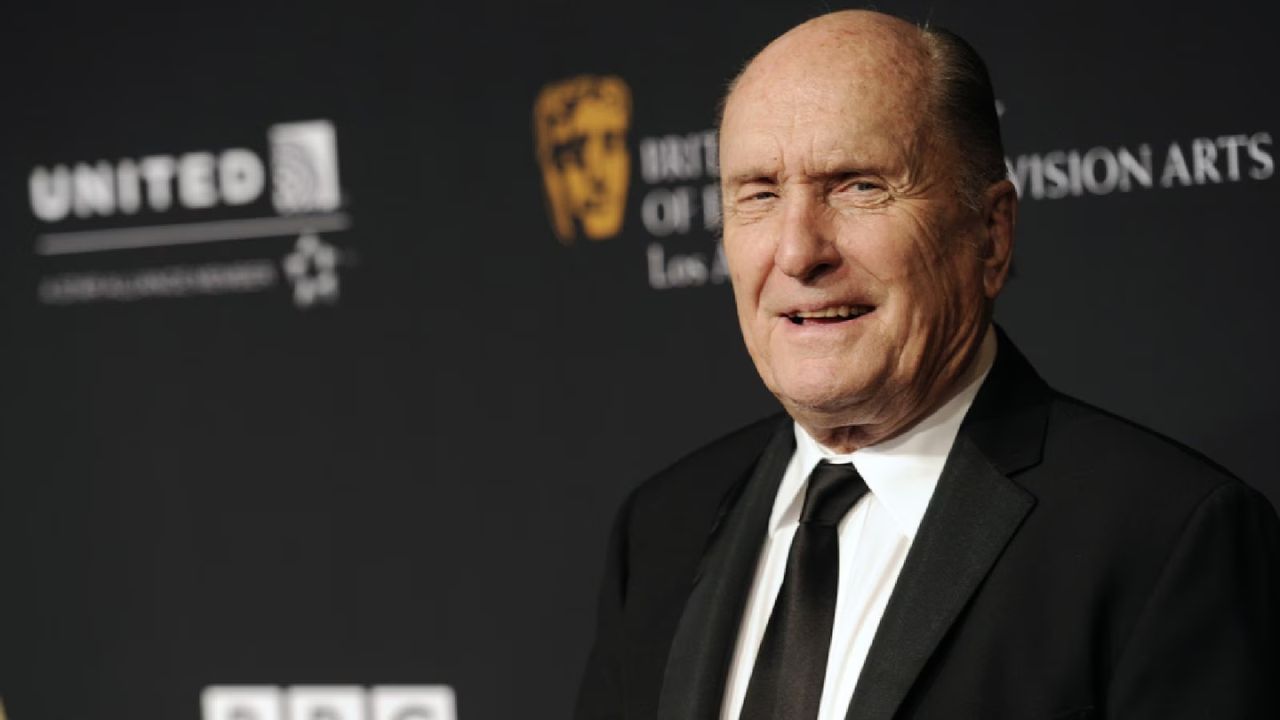
Duvall was married four times and had no children. His final marriage, to Luciana Pedraza (now Luciana Duvall), began in 2005 and lasted until his death.
Beyond acting, he was known for his love of storytelling, good food, and meaningful conversation. He also had interests outside of film, including football (soccer), and even incorporated his passion for Argentine tango into one of his films.
Despite his fame, Duvall remained deeply connected to the human side of his work. He was drawn not to glamour but to truth—truth in characters, truth in emotions, and truth in storytelling.
A Career That Will Never Be Forgotten
Robert Duvall’s career stands as one of the most remarkable in film history. From Boo Radley’s quiet mystery to Tom Hagen’s calm authority and Kilgore’s explosive intensity, he created characters that audiences will remember forever.
He was not merely an actor but a storyteller who helped define American cinema. His performances captured the full range of human emotion—strength, vulnerability, humor, and pain.
Though he is gone, his legacy lives on in the films he left behind.
As his family suggested, perhaps the best way to honor Robert Duvall is simply to watch one of his films—and remember the extraordinary talent of a man who gave everything to his craft.