
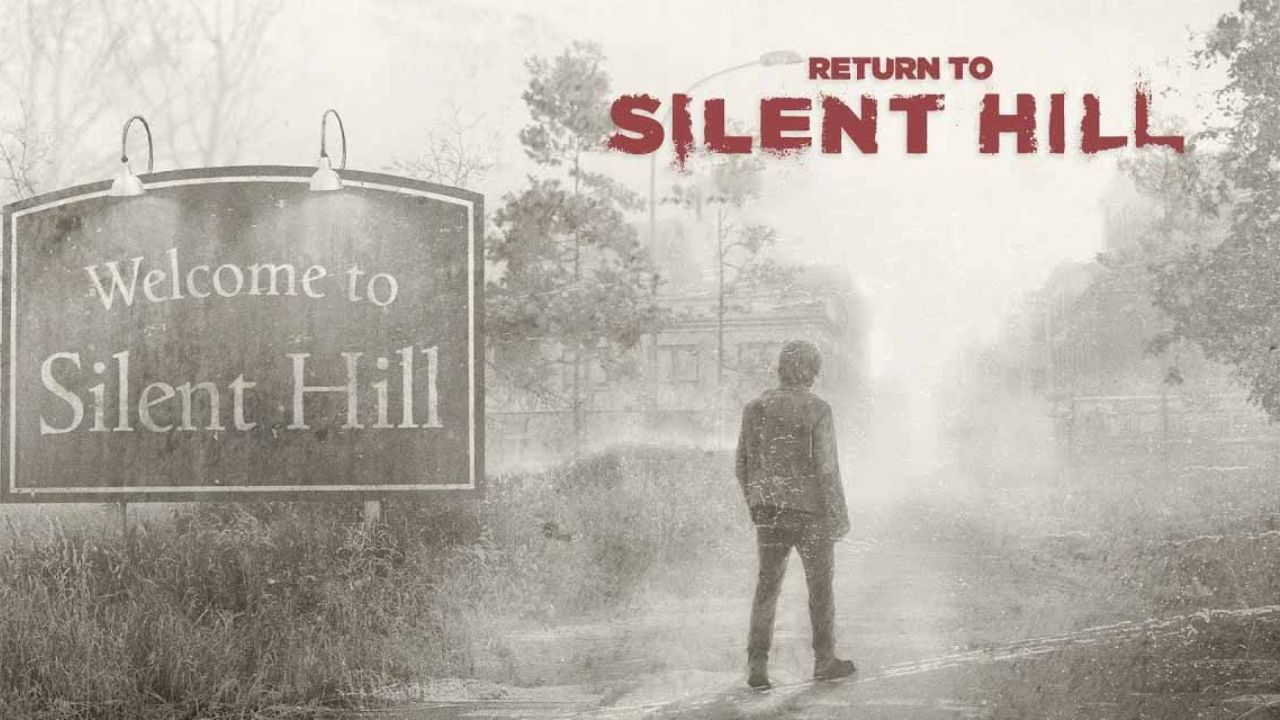
There is something strangely poetic about a filmmaker returning to the same foggy road two decades later. For Christopher Gans, that road leads back to Silent Hill—the ash-covered town that first appeared in his 2006 video game adaptation. That original film earned a cult following but never quite became the horror classic many hoped for. A poorly received sequel in 2012 seemed to close the book on the franchise. Yet here we are again, with Return to Silent Hill, a new chapter inspired directly by the iconic video game Silent Hill 2.
This time, Gans isn’t continuing the story from his earlier movies. Instead, he offers a standalone tale set in the same cursed town, borrowing heavily from the game’s narrative while trying—sometimes awkwardly—to add new layers of emotion and mystery.
A Story of Loss and Obsession
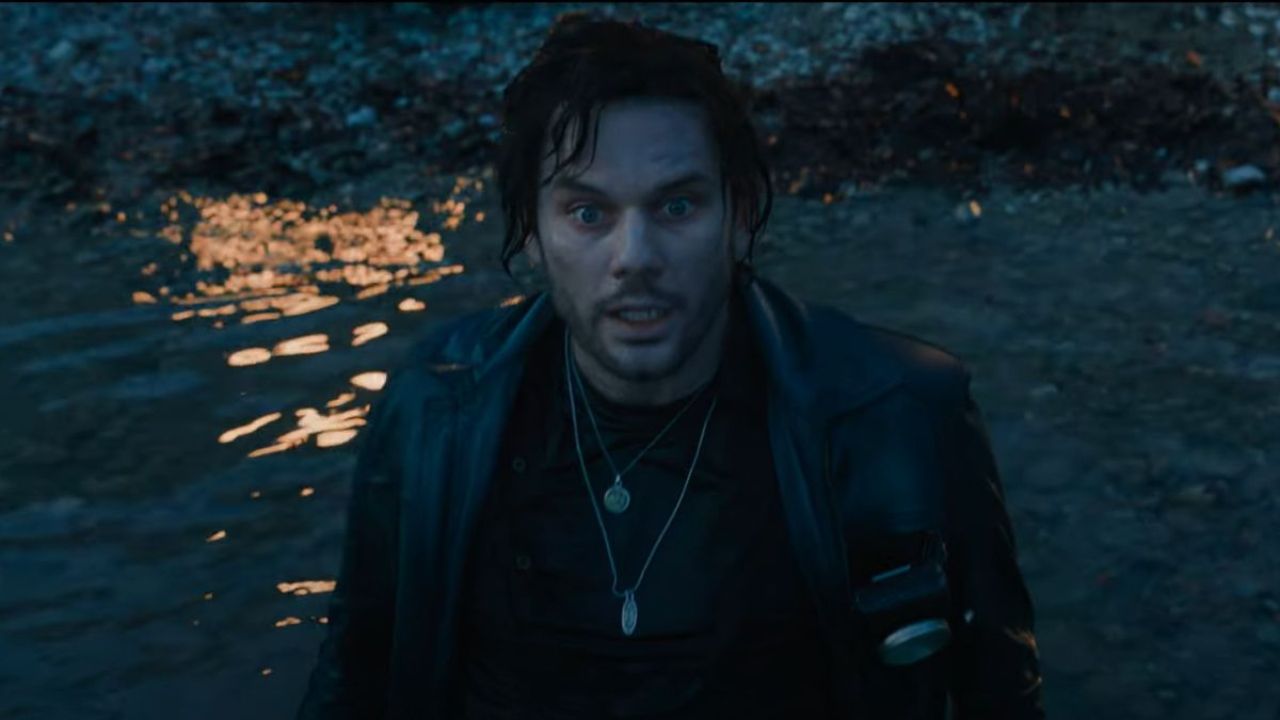
At the center of the film is James Sunderland, played by Jeremy Irvine, a quiet, grief-stricken man haunted by the memory of his girlfriend Mary (Hannah Emily Anderson). The two meet in an almost accidental way, fall in love quickly, and build a life that the film mostly reveals through flashbacks. Their relationship, however, is far from simple. Long before James ever sets foot in Silent Hill, something has already gone terribly wrong.
When James receives a mysterious letter that appears to be from Mary—urging him to return to their “special place”—he becomes convinced she is still alive somewhere in Silent Hill. Driven by guilt, longing, and unresolved love, he follows the call. Even when roads are blocked and the town looks abandoned and dangerous, James presses on. He ignores every warning, including a chilling encounter with a sickly stranger who calls the town “one big cemetery.”
Rather than reacting with terror, James moves through Silent Hill with a stubborn, almost casual determination. His behavior is meant to reflect his obsession with Mary, but it also creates a strange disconnect. In a place where every corner screams danger, he seems more curious than afraid, which weakens the sense of urgency and dread.
A World That Feels Trapped
Visually, Return to Silent Hill still knows how to build atmosphere. The town is soaked in fog, dusted with ash, and crawling with grotesque creatures. Some of the monster designs are genuinely striking, including rat-like horrors and familiar icons such as Pyramid Head and the nurses. Composer Akira Yamaoka’s haunting music also helps preserve the eerie tone fans associate with the franchise.
Yet the film often feels stuck in place. Instead of building toward a clear goal, the story drifts as James wanders from one unsettling location to another. Without the puzzles, choices, and interactivity of the games, the narrative loses much of its power. The result is a movie that feels oddly aimless, even with a relatively short runtime.
The low budget becomes hard to ignore as well. Several scenes rely on obvious green-screen backgrounds, which breaks the illusion of the decaying town. Compared to the modern remake of Silent Hill 2, the film looks less polished and less immersive.
Flashbacks That Complicate Everything
The most noticeable change from the game lies in the flashbacks. Gans and his co-writers expand James and Mary’s backstory, turning their romance into something darker and more morally complex. On paper, this sounds promising. In practice, it creates more confusion than depth.
The new mythology introduced through these scenes feels unnecessary and, at times, campy. Characters appear briefly, only to vanish without resolution. By the end of the film, many of these additions seem abandoned, leaving the audience wondering why they were introduced at all. Worse, a major reveal is handled in a way that alters the meaning of James and Mary’s relationship, undermining much of the symbolism that made the original story so powerful.
A Return That Feels Like a Loop
Despite its flaws, Return to Silent Hill is not the disaster that 2012’s Silent Hill: Revelation was. It captures some of the visual and auditory magic of the games and remains watchable for fans who simply want to revisit this unsettling world. But it never rises above its source material, nor does it offer a fresh perspective that justifies its existence.
In the end, the film feels much like its protagonist: convinced there is something worth saving here, even as every sign suggests otherwise. Gans returns to Silent Hill with sincerity and nostalgia, but the town remains a place he—and the story—can’t quite escape.
For those seeking a truly unforgettable psychological horror experience, the game still stands tall. The movie, meanwhile, lingers like fog—familiar, atmospheric, and ultimately unable to move forward.