
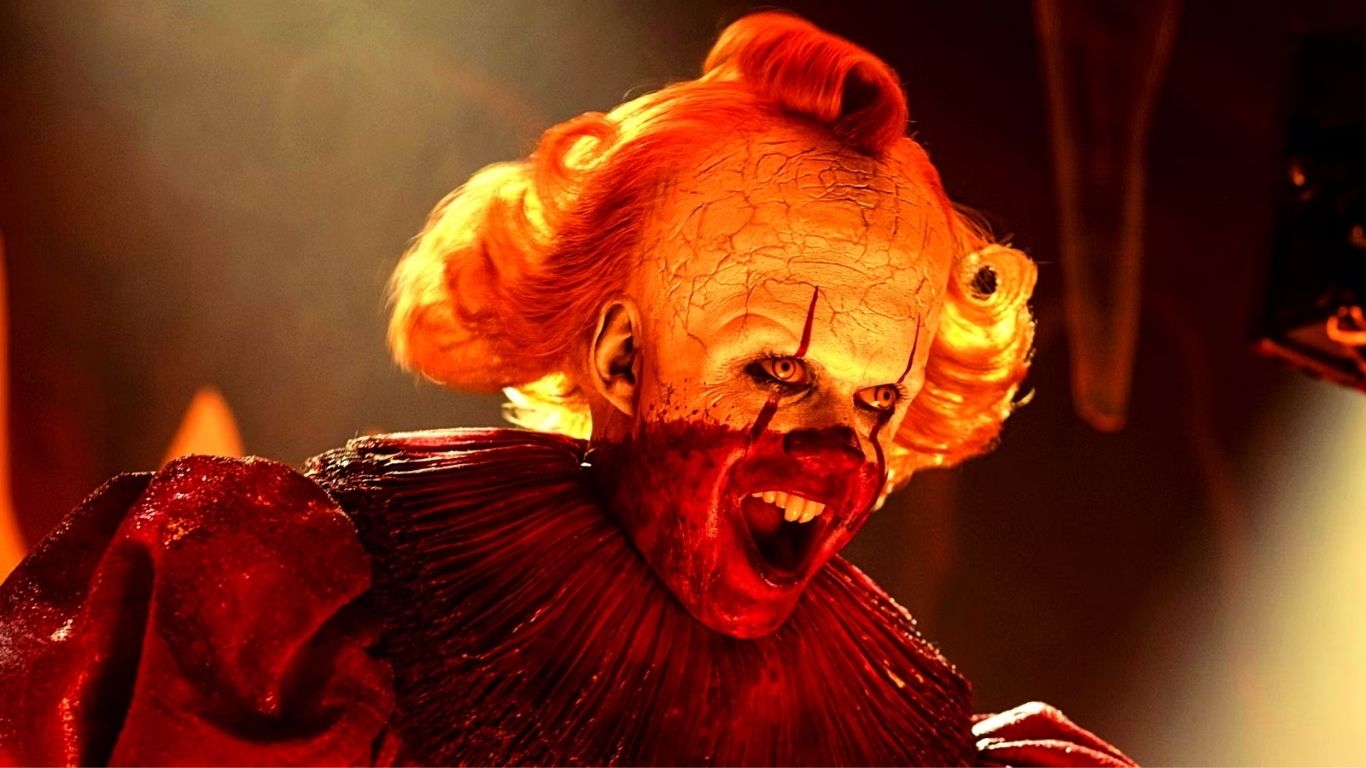
The first season of IT: Welcome to Derry may have ended with a sense of fragile victory, but anyone familiar with Stephen King’s world knows better than to trust peace in that town. Pennywise was beaten—temporarily—but the finale made one thing abundantly clear: this story is far from over. Both on-screen revelations and behind-the-scenes teases suggest the HBO series is only beginning to scratch the surface of its central monster. Bill Skarsgård, once again slipping into the greasepaint and menace of Pennywise, has hinted that there’s more lurking beneath the clown’s familiar snarl. And the show itself seems structurally designed to keep digging backward into Derry’s blood-soaked past.
A Deeper, Stranger Pennywise
One of the quiet surprises of Welcome to Derry was how much time it spent humanizing—or at least contextualizing—Pennywise. Through flashbacks, viewers met Bob Gray, the original human face that IT once wore. Rather than presenting him as a straightforward villain, the show leaned into something more unsettling: a broken, washed-up performer whose identity was consumed by something far older and far worse.
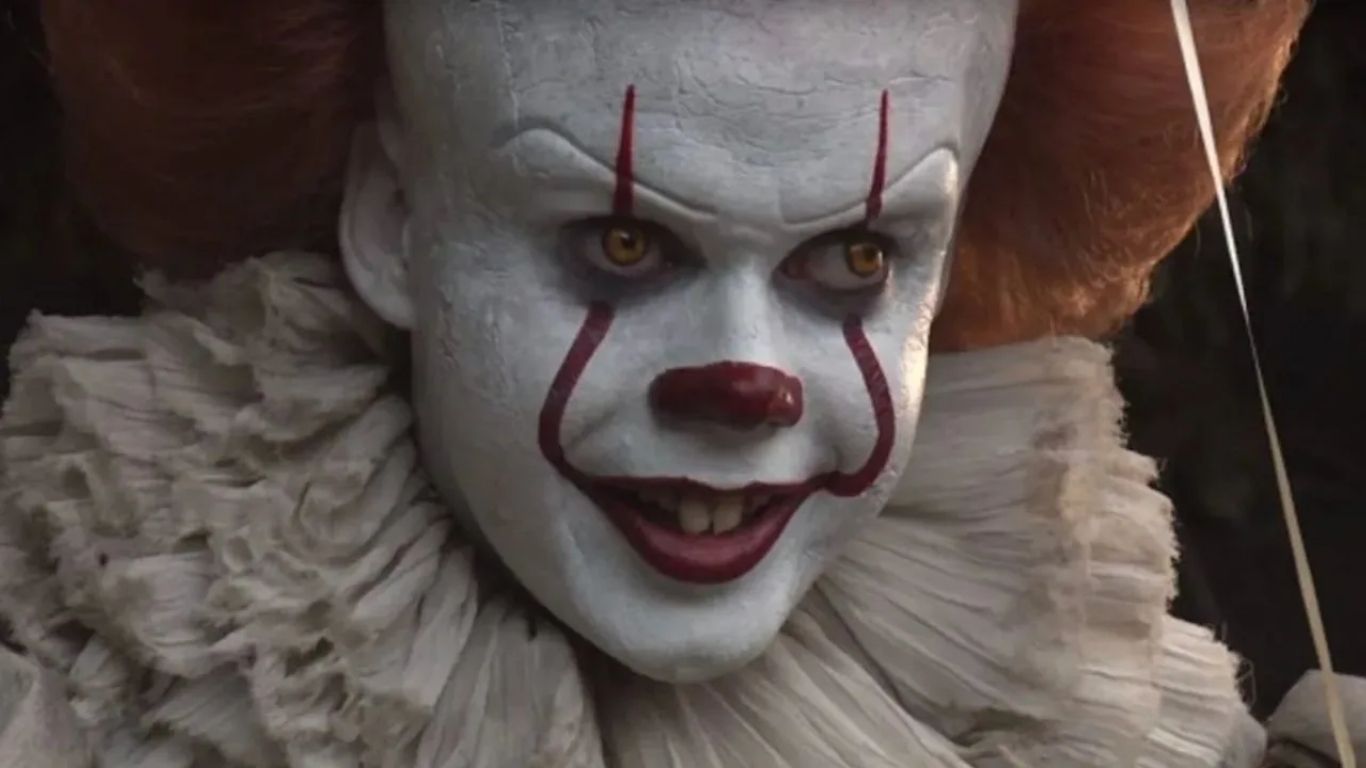
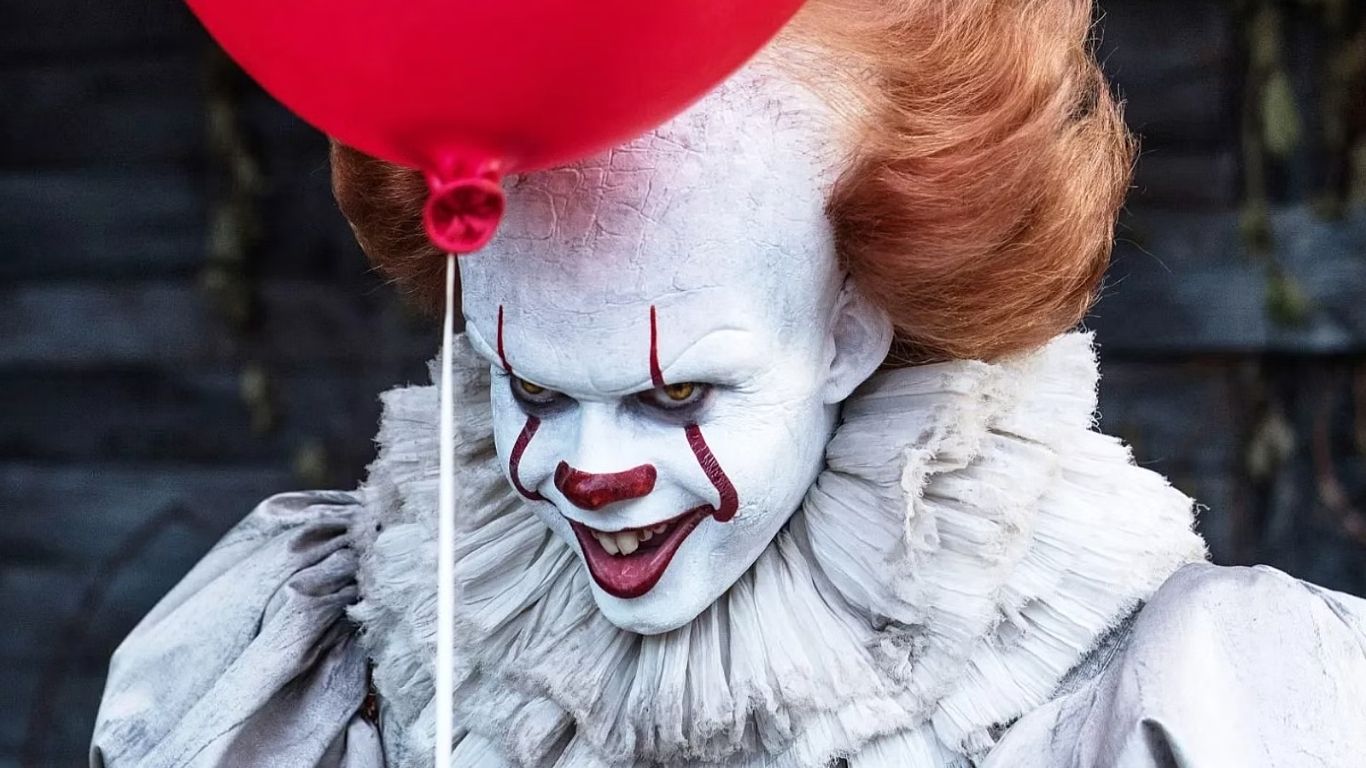
Skarsgård has spoken about finding unexpected layers in these moments, especially scenes where Bob Gray interacts with IT itself. These sequences, tinged with dark humor and improvisation, stand in sharp contrast to Pennywise’s theatrical cruelty elsewhere in the series. The implication is unsettling but intriguing: Pennywise isn’t just a mask worn by a cosmic predator—it’s an evolving persona shaped by time, fear, and memory.
That idea opens the door for future seasons to explore Pennywise not just as a monster, but as a being shaped by centuries of feeding, failure, and reinvention.
The Finale’s Biggest Reveal: Time Means Nothing
If the season had a true mic-drop moment, it came with the revelation that Pennywise experiences time non-linearly. Past, present, and future coexist for him, stacked on top of each other like overlapping nightmares. It’s a twist that reframes everything viewers thought they knew about the creature.
Suddenly, defeat feels provisional. If Pennywise already knows how and when he falls, what’s stopping him from changing the board entirely? The show plants this anxiety directly into the minds of its surviving characters, raising the unsettling possibility that future victories—IT Chapter Two included—may no longer be as fixed as fans once believed.
Narratively, it’s a clever move. By granting Pennywise awareness of future events, the series gives itself permission to play with cause and effect, tension, and even destiny itself.
A Show Built to Move Backward
Rather than pushing the timeline forward, Welcome to Derry is structured to move in reverse. Season one anchored itself in 1962, introducing a new group of kids and letting audiences grow attached before pulling the rug out—sometimes violently. Future seasons are planned to jump further into the past, revisiting earlier feeding cycles that have only been hinted at until now.
The roadmap is already clear. A second season is expected to focus on the 1930s, including the infamous Bradley Gang massacre, while a third would dive even deeper into 1908. Each era offers a chance to explore how Pennywise adapts, how Derry enables him, and how history quietly buries the truth once the blood dries.
This backward momentum solves a major prequel problem: how to keep stakes high when the outcome feels predetermined. By letting Pennywise tamper with the timeline itself, the show injects uncertainty where none should exist.
Saying Goodbye to the Class of 1962
One bittersweet reality of this structure is that the kids from season one are likely done. Their arcs—painful, hopeful, and often tragic—feel intentionally complete. Characters like Marge, who began the season chasing popularity and ended it hardened by trauma, were given clear emotional journeys.
Marge’s storyline, in particular, carries long-term implications. Her brief romance with Rich, cut short by his sacrifice, echoes across decades. The revelation that she grows up to name her son Richie—who will one day help kill Pennywise—creates a haunting loop of cause and consequence. Whether or not she truly forgets her encounter with the clown, her life becomes another quiet thread woven into Derry’s larger tapestry of violence and denial.
Ingrid Kersh: The Key to Every Era
If there’s one character positioned to bridge all these timelines, it’s Ingrid Kersh. Introduced as both caretaker and conspirator, Ingrid is Pennywise’s most devoted follower—and his daughter in every way that matters. Her loyalty is disturbing not because it’s coerced, but because it’s chosen.
The series has already shown Ingrid at multiple points in her life, from her time at Juniper Hill Asylum to a chilling present-day cameo that subtly ties her to Beverly Marsh’s childhood. Unlike most residents of Derry, Ingrid remembers. She understands. And she participates.
As the show moves backward, Ingrid becomes a narrative anchor, offering continuity while everything else resets. Her warped devotion adds a human face to Derry’s long history of complicity—and makes her one of the most fascinating additions to the IT mythos.
Expanding Stephen King’s Universe
Another strength of Welcome to Derry is its willingness to reach beyond IT without turning into a gimmick. The inclusion of a younger Dick Hallorann was more than fan service—it was thoughtful world-building. By exploring his early struggles with psychic abilities, the series deepened a beloved King character while reinforcing the idea that Derry exists within a much larger, interconnected universe.
Handled carefully, this approach leaves room for future surprises. Not every crossover needs to be explicit or flashy. Sometimes, a familiar name or ability is enough to remind viewers that King’s horrors rarely exist in isolation.
Will Pennywise Return?
From a creative standpoint, all signs point to yes. The plans are there. The themes are in place. The audience response has been strong. And Skarsgård himself seems eager to keep exploring what makes Pennywise tick beneath the makeup.
The only real uncertainty lies outside the story, with industry shake-ups delaying official renewal announcements. But Welcome to Derry has already proven it can stand alongside HBO’s biggest genre hits, both in viewership and critical response.
And narratively? Pennywise has never been more dangerous. A creature that feeds on fear is one thing. A creature that already knows the future is something else entirely.
In Derry, evil doesn’t just return—it remembers.