Ozzy Osbourne, the legendary frontman of Black Sabbath and one of heavy metal’s most influential figures, passed away on Tuesday at the age of 76 after a long battle with Parkinson’s disease. Known for his electrifying stage presence, raw vocals, and unpredictable antics, Osbourne leaves behind a towering legacy in music, television, and popular culture.
A Final Farewell in Birmingham
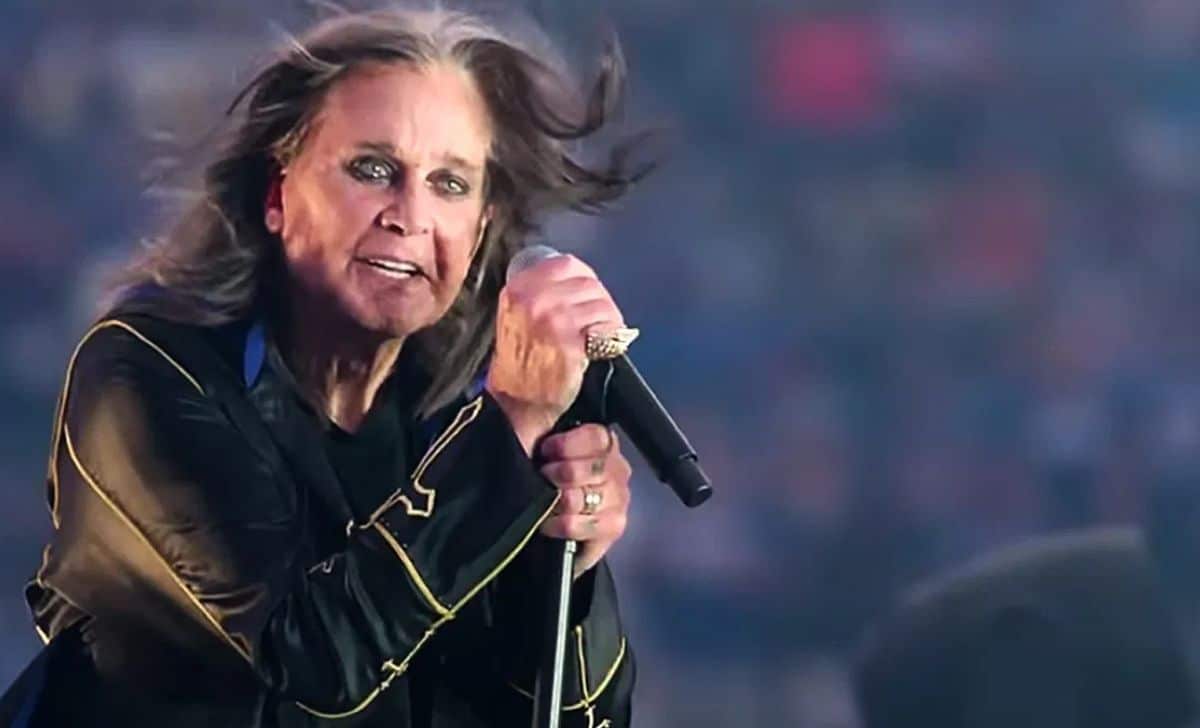
Just over two weeks before his death, Osbourne took the stage one last time at “Back to the Beginning,” a tribute festival held in his hometown of Birmingham, England. Billed as the final Black Sabbath concert, the event drew a massive crowd of 45,000 fans at Villa Park stadium and over 5 million viewers online. Sitting on a leather throne, tears streaming through smeared mascara, Ozzy emotionally thanked fans:
“You’ve got no idea how I feel. Thank you from the bottom of my heart.”
Despite Parkinson’s disease robbing him of the ability to walk, his voice remained strong as he powered through Sabbath anthems like “War Pigs,” “Iron Man,” “N.I.B.,” and “Paranoid.” It was a fitting and powerful send-off for a man who helped define an entire genre.
The Family Statement
Osbourne’s family confirmed his passing with a heartfelt message:
“It is with more sadness than mere words can convey that we have to report that our beloved Ozzy Osbourne has passed away this morning. He was with his family and surrounded by love. We ask everyone to respect our family’s privacy at this time.”
Sharon Osbourne, his wife and longtime manager, had previously revealed that while Ozzy could no longer walk due to Parkinson’s, the disease had not silenced his iconic voice.
A Working-Class Rebel Turned Global Rockstar
Born John Michael Osbourne on December 3, 1948, in Birmingham, Ozzy came from humble beginnings. One of six children in a working-class family, he struggled with dyslexia, dropped out of school at 15, and cycled through various odd jobs — including working in a slaughterhouse and even serving a brief stint in jail for burglary.
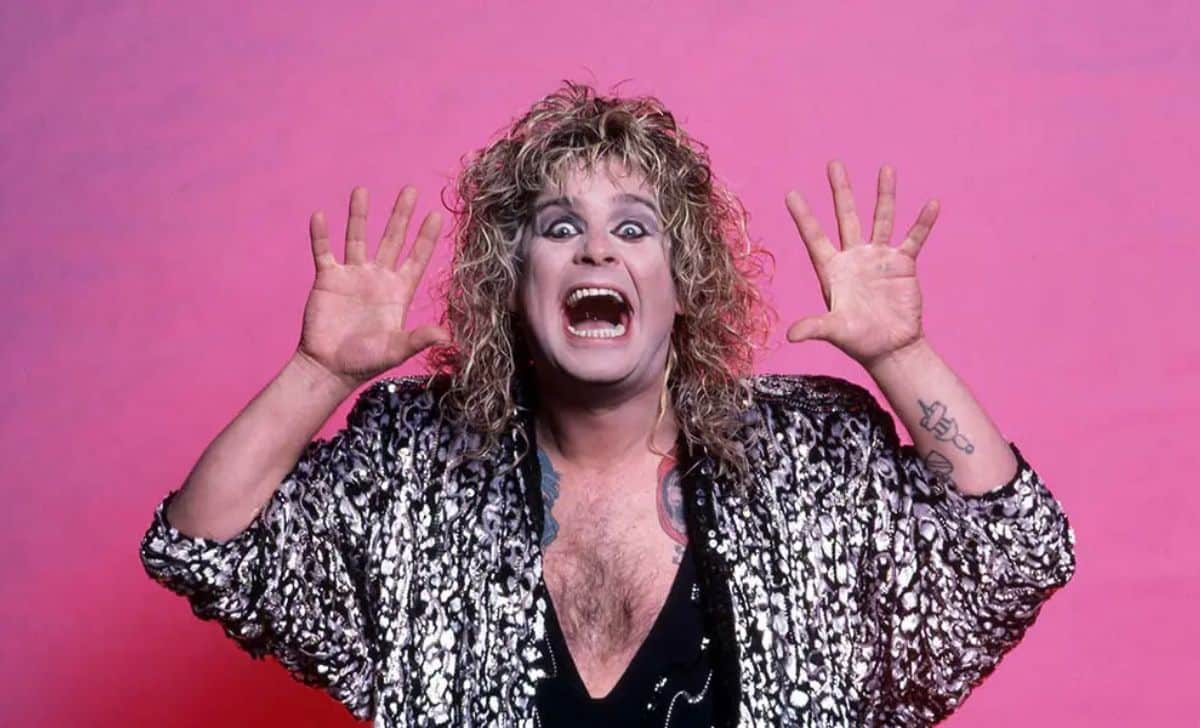
Music became his lifeline. In 1968, he joined forces with guitarist Tony Iommi, bassist Geezer Butler, and drummer Bill Ward. Originally called Earth, the band soon rebranded as Black Sabbath, inspired by a horror film, and carved out an entirely new sound — dark, heavy, and filled with apocalyptic themes — that would come to define heavy metal.
Black Sabbath: Forging a New Sound
Black Sabbath’s self-titled debut album released on Friday the 13th in 1970, and despite critics’ derision, it reached the UK Top 10. Their second album “Paranoid” became a monster success, topping UK charts and climbing to No. 12 in the US. Tracks like “Iron Man,” “War Pigs,” and “Paranoid” turned into genre-defining anthems, with Osbourne’s distinctive howl leading the charge.
Though initially dismissed by critics as “Satanic” or worse, the band’s music struck a chord with a generation dealing with war, disillusionment, and rebellion. Ozzy’s voice — raw, urgent, and unmistakably his own — gave heavy metal its emotional depth and intensity.
Personal Demons and Departure from Sabbath
Osbourne’s years with Sabbath were also marked by chaos. Drug and alcohol abuse plagued the group, and tensions ran high. After a series of lackluster albums and increasing instability, the band fired him in 1979. His final years in Sabbath were infamously wild — including one incident where he failed to show up for a gig in Nashville, sparking a riot.
But getting fired would turn out to be the start of something bigger.
A Meteoric Solo Career and the Birth of Ozzfest
With the support of Sharon Arden — who would later become his wife — Osbourne launched a solo career that arguably outshone his time with Sabbath. His debut album “Blizzard of Ozz” (1980), featuring guitar legend Randy Rhoads, included the now-iconic “Crazy Train.” The follow-up, “Diary of a Madman,” cemented his place as a solo metal icon.
Sharon also masterminded Ozzfest, a traveling metal festival that debuted in 1996. It became a cultural juggernaut, helping launch or boost the careers of dozens of rock and metal bands, and giving Osbourne another career-defining legacy.
Bizarre Antics and Rock Mythology
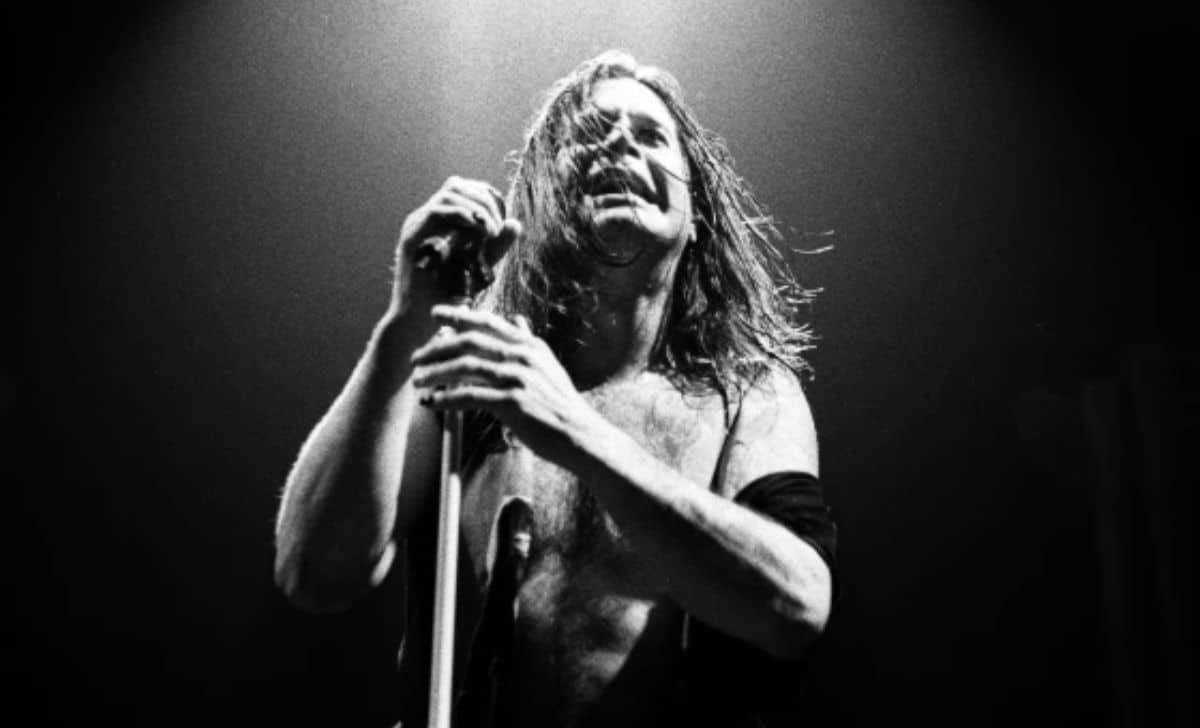
Ozzy Osbourne became as infamous for his offstage behavior as he was celebrated for his music. He once bit the head off a live dove during a CBS record meeting and, most notoriously, bit the head off a bat at a 1982 concert in Iowa, believing it was fake. The stunt earned him a rabies shot and eternal notoriety.
He urinated on the Alamo, snorted ants on a dare from Mötley Crüe, and once faced legal accusations when a teen’s suicide was linked to his song “Suicide Solution” — a case that was later dismissed. Through it all, Osbourne remained unapologetically himself.
The Osbournes: A New Kind of Fame
In the early 2000s, Osbourne reinvented himself again — this time as a reality TV star. “The Osbournes” on MTV showcased the domestic chaos of the Osbourne family, earning massive ratings and making Ozzy a household name all over again.
TV critic Caryn James called them “a wacky, harmlessly outrageous variation on Everyfamily.”
The show won a 2002 Emmy and brought him closer to a generation that may not have grown up on Sabbath or “Crazy Train,” but saw him as the lovable, foul-mouthed rocker dad.
Later Years, Health Battles, and Final Music
Despite numerous health issues, including multiple spinal surgeries and a Parkinson’s diagnosis in 2020, Osbourne continued releasing music. His late-career albums “Ordinary Man” (2020) and “Patient Number 9” (2022) charted impressively and reminded fans of his enduring talent.
In 2022, the BBC announced a new reality series titled “Home to Roost,” documenting the Osbourne family’s return to the UK after 25 years in the U.S.
Legacy and Final Reflections
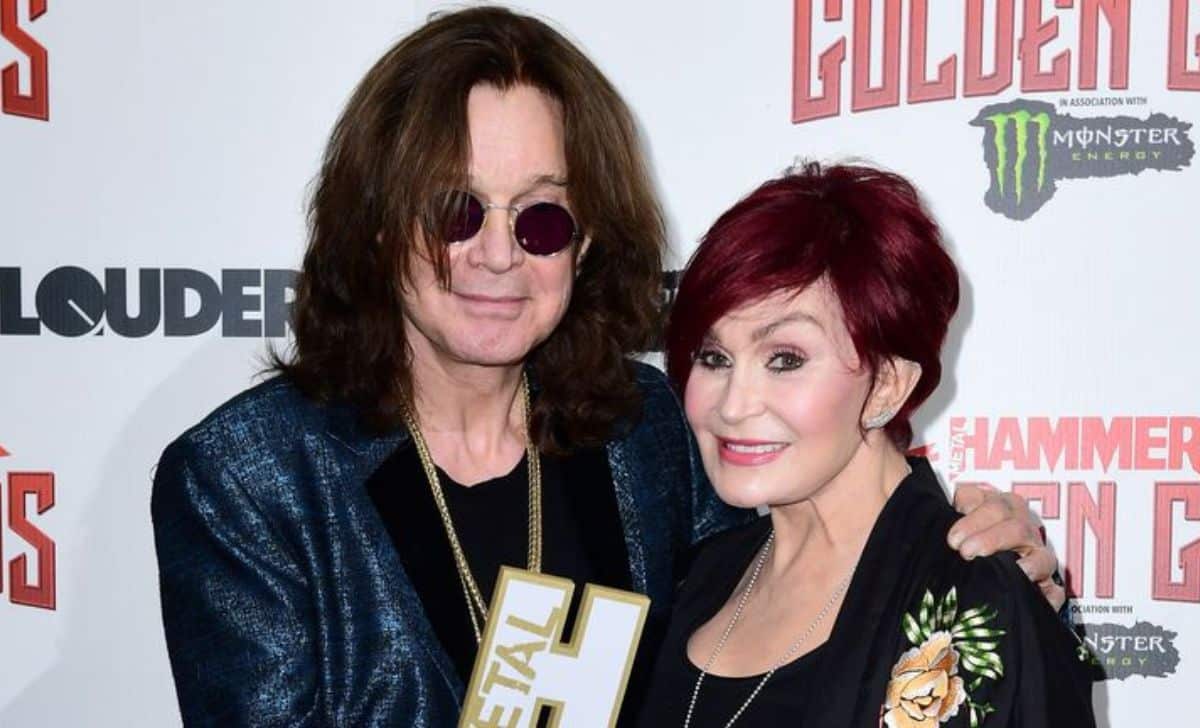
Osbourne is survived by his wife Sharon and six children — Jessica, Louis, and Elliot from his first marriage, and Aimee, Kelly, and Jack from his second. He leaves behind a catalog of music that defined and redefined metal across generations.
Ozzy once said he’d like his epitaph to read:
“Ozzy Osbourne, born 1948, died so-and-so.”
But he also added,
“At least I’ll be remembered.”
And remembered he will be — not just as the man who bit a bat, but as the voice, the soul, and the enduring rebel spirit of heavy metal.