

Stephanie Brown stands as one of the most compelling and resilient characters within the DC Comics universe, a young woman whose journey from rebellious vigilante to celebrated member of the Bat-Family embodies themes of perseverance, redemption, and self-discovery. Created by writer Chuck Dixon and artist Tom Lyle, Stephanie first appeared in a three-issue story arc spanning Detective Comics #647–649 in June 1992, initially introduced as nothing more than a plot device that would ultimately evolve into a fan-favorite character with her own rich mythology. Stephanie Brown’s origin story is far more than a simple tale of a girl fighting crime—it’s a narrative about overcoming personal trauma, familial dysfunction, and societal rejection to forge one’s own identity as a hero.
A Troubled Home and A Desperate Daughter
The foundation of Stephanie Brown’s vigilante career begins with the collapse of her family structure and the realization that the adults in her life had fundamentally failed her. Stephanie’s father, Arthur Brown, was once a failed game show host who, inspired by The Riddler’s gimmick, reinvented himself as the criminal known as Cluemaster. Rather than use his newfound criminal enterprise to better his family’s circumstances, Arthur became consumed with his schemes, showing little regard for his wife and daughter. His parenting was characterized by neglect and abuse—Stephanie witnessed her father physically assault her mother, Crystal Brown, while she remained powerless to intervene. Crystal struggled with a significant pill addiction throughout Stephanie’s childhood, creating a household environment filled with instability and dysfunction.
Between her father’s criminal pursuits and her mother’s addiction, Stephanie found herself in an impossible position. The adults who should have protected her instead became the very threats from which she needed protection. This troubling family dynamic became the crucible in which her heroic identity would be forged. Rather than succumb to despair or follow her father down a criminal path, Stephanie chose action. She recognized early that her father’s criminal plans represented a tangible threat to Gotham City, one that she could directly address through her own agency.
The Birth of Spoiler: From Plot Device to Determined Hero
Consumed with fury over her father’s activities and determined to prevent his schemes from harming others, Stephanie Brown created her own superhero identity: the Spoiler. The name was deliberately chosen—it represented her singular mission of spoiling or foiling her father’s criminal plans before they could come to fruition. In what became a hallmark of her resourcefulness, Stephanie tailored her own costume using materials available to her, designing an outfit in purple and blue that would become iconic. Armed with her gymnastics background and her intellect, she began investigating her father’s criminal operations, uncovering his hideouts and learning the details of his schemes.
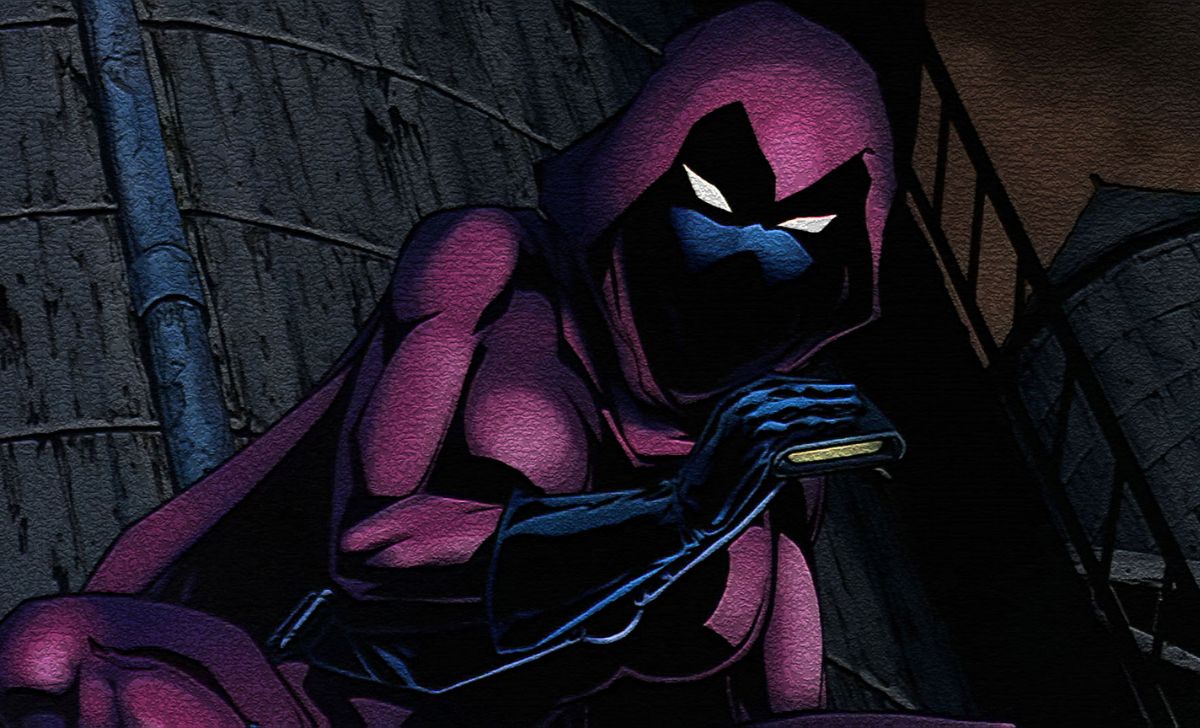
What made Stephanie’s approach particularly clever was her unconventional methodology. Rather than directly confronting her father as other young heroes might have, she deliberately left clues for law enforcement and other heroes to discover, essentially engineering the capture of her own parent. This strategic thinking demonstrated that beneath her youthful exterior lay a tactical mind capable of planning and executing complex operations. Her first major operation brought her into contact with Batman and Robin (Tim Drake), who initially viewed her as little more than an amateur vigilante playing at heroics. However, her determination and resourcefulness impressed them enough to assist in taking down Cluemaster, resulting in his arrest.
The crucial moment came when Batman and Robin tracked her down and unmasked her, revealing that they already knew her civilian identity was Stephanie Brown, a teenage girl. Despite her youth and lack of formal training, Stephanie had earned enough respect that she was allowed to continue operating as Spoiler, though kept at arm’s length by the Dynamic Duo, who continued to regard her as a capable but ultimately inexperienced vigilante.
Love, Conflict, and the Complications of Secret Identities
As Stephanie continued her nightly patrols as Spoiler, she found herself increasingly drawn to Robin—specifically, Tim Drake beneath the mask. Her feelings developed into a genuine crush, and she began making diary entries chronicling her affection for the masked vigilante. What made this situation particularly complicated was that Tim Drake harbored romantic interests in Stephanie as well, creating what amounted to a secret identity love triangle. Tim, unaware of Spoiler’s true identity, was juggling multiple relationships: he was dating a civilian classmate named Ariana, and simultaneously developing feelings for his vigilante partner Spoiler.
The situation reached a breaking point when Stephanie, on patrol as Robin, encountered Tim (also on patrol) with another girl, Star, in an alley where Robin was rescuing her from a gang shootout. Misinterpreting the scene, Stephanie assumed Tim was being unfaithful to her. Consumed with rage and heartbreak, she made an impulsive decision that would define her next chapter: she would become Robin herself.
Breaking into the Batcave while Bruce Wayne and Tim Drake were away, Stephanie presented herself to Batman with a homemade Robin costume and a direct proposition—she wanted to be trained as the fourth Robin. Batman’s decision to accept her proposal remains debated among fans and scholars of Batman lore. Some argue Bruce was attempting to lure Tim back into the Robin role, while others suggest he genuinely believed Stephanie was ready for the challenge. Regardless of his motivation, Batman subjected Stephanie to months of intensive training, ultimately crafting her a proper costume that maintained the essential design elements of Tim’s Robin suit.
The Robin Era: Triumph and Tragedy
Stephanie’s tenure as Robin was remarkably brief, lasting only a few months before catastrophe struck. During this period, Batman remained skeptical of her abilities compared to Tim Drake, viewing her as competent but not quite possessing the refined skills he demanded in his sidekicks. More critically, Batman maintained an unwavering rule: Stephanie must follow every order without deviation. This rigid structure clashed fundamentally with Stephanie’s impulsive, adaptive personality.
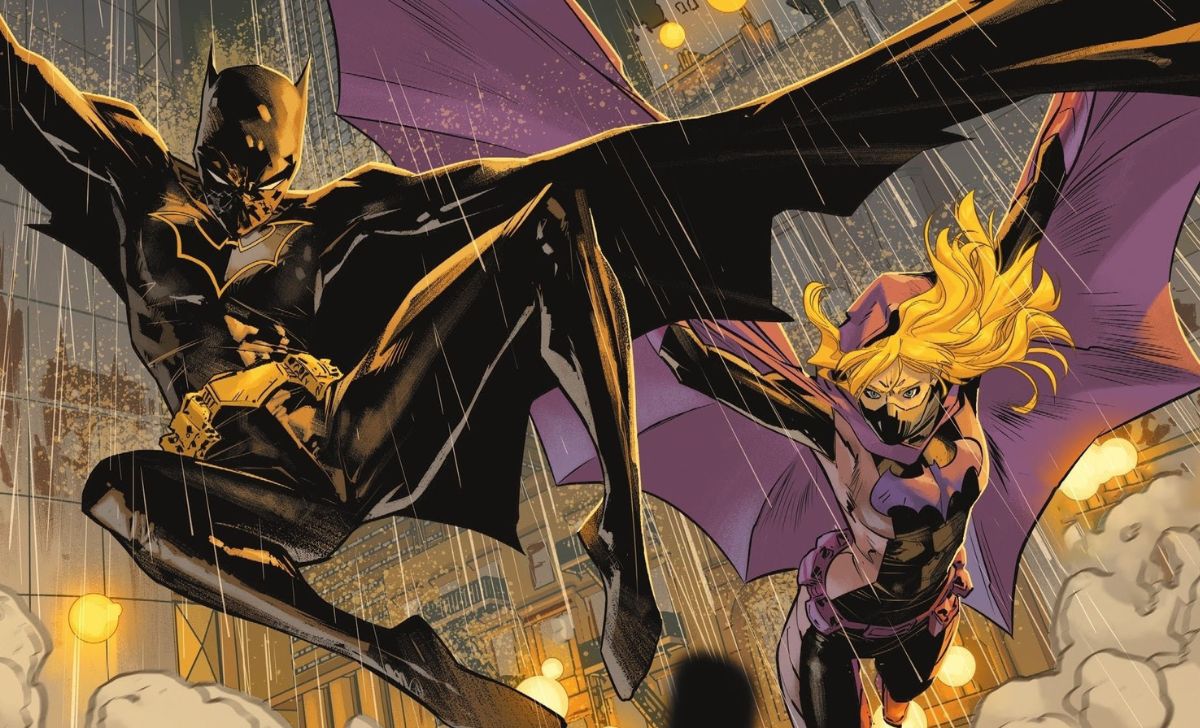
The breaking point came when Batman found himself in a life-threatening situation during a confrontation with a metapowered opponent. Ignoring Bruce’s explicit order to remain on the sidelines, Stephanie entered the fray to assist her mentor. Rather than helping, her intervention only complicated the situation, allowing the villain to escape. Batman’s response was swift and brutal—he fired her not just from the Robin position but from vigilante work entirely, forbidding her from operating as Spoiler or seeking training from Barbara Gordon’s Birds of Prey.
This rejection devastated Stephanie, but in a moment of desperate calculation, she stole one of Batman’s contingency plans from the Batcave—specifically, a scheme designed to consolidate Gotham’s various gang leaders under a single unified command structure through the false identity of Matches Malone, a criminal operative. In an attempt to redeem herself and prove her value to Batman, Stephanie set this plan in motion without authorization or support.
The consequences were catastrophic. With Batman absent to guide the operation and no one present to manage the intricate political dynamics she had unleashed, Gotham’s criminal underworld erupted into open warfare. Gang leaders, sensing an opportunity to consolidate power, turned on one another, and the city descended into what became known as the War Games storyline—a brutal gang war that claimed numerous lives and threatened to destroy Gotham’s social fabric.
The Tragic Fall and Mysterious Resurrection
As the gang war spiraled beyond her control, Stephanie attempted to contain the situation she had created, but her efforts proved futile. The crime lord Black Mask, an old adversary of Batman, seized control of the warring factions and, recognizing Stephanie’s central role in unleashing the chaos, kidnapped her for interrogation. Black Mask subjected Stephanie to brutal torture, attempting to extract information about Batman’s operations and resources. Stephanie endured this torment with remarkable resilience, refusing to betray Batman despite the agony inflicted upon her.
Gravely injured, Stephanie managed to escape her captor but her wounds proved too severe. She collapsed and was taken to a hospital, where she apparently died. The Bat-Family mourned her loss, and Batman held himself partially responsible for her death, having rejected her so harshly before the War Games incident.
However, Stephanie’s death proved to be one of the most controversial plot developments in her story. It was later revealed that Dr. Leslie Thompkins, a trusted ally of Batman and a medical professional, had actually possessed the ability to save Stephanie’s life but deliberately chose not to, doing so to send a message about the dangers of vigilantism to Bruce Wayne and other young heroes. This revelation reframed her “death” as a calculated act by someone Stephanie trusted, adding layers of betrayal to her already traumatic experience.
Stephanie was eventually recovered and survived, spending time in Africa under an assumed identity with Dr. Thompkins, where she performed volunteer work and gradually healed from her physical and emotional wounds. Her time away from Gotham allowed her to mature, reflect on her choices, and develop a more measured perspective on vigilante work.
The Return and Redemption as Batgirl
Stephanie’s triumphant return to Gotham marked the beginning of her true character arc—one of redemption, acceptance, and self-actualization. When Batman apparently died during the R.I.P. storyline (he had actually entered a meditative state and fallen into madness), Cassandra Cain, the original modern Batgirl and one of the most skilled martial artists in the DC Universe, became disillusioned with her role. In an act of extraordinary faith, Cassandra entrusted the Batgirl mantle to Stephanie Brown, the very person who had failed so spectacularly as Robin.
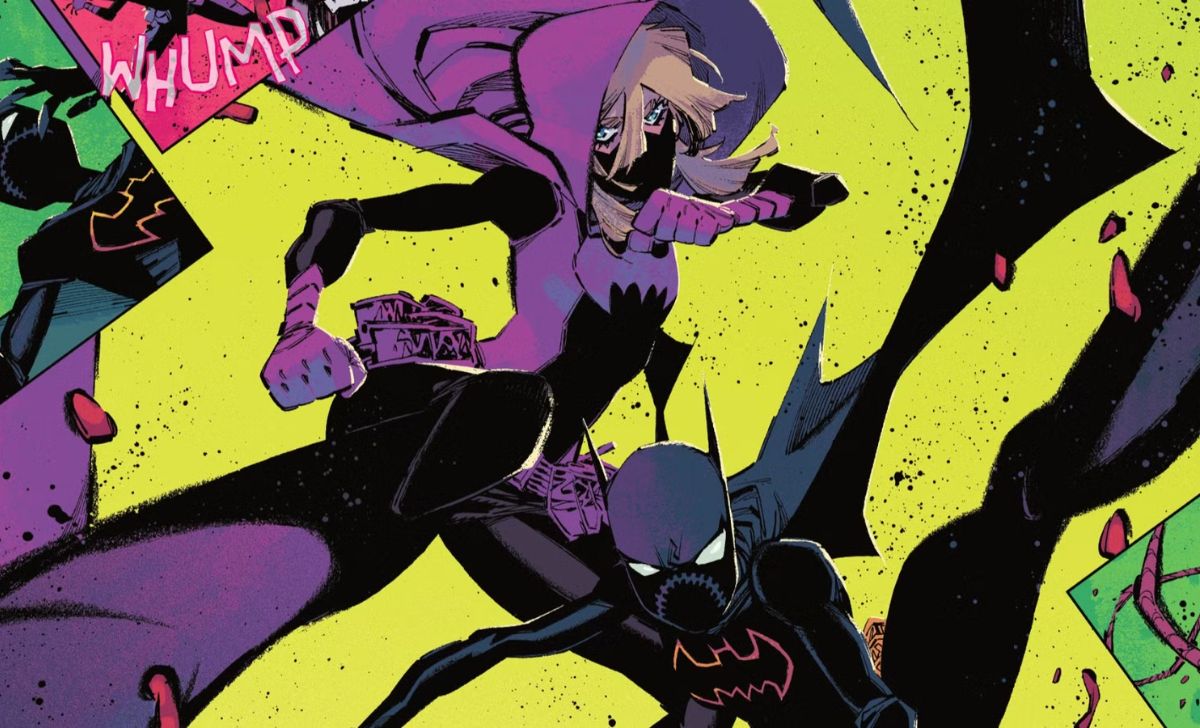
Stephanie initially hesitated, her insecurity about her previous failures weighing heavily on her mind. However, when the original Batgirl, Barbara Gordon, discovered Stephanie wearing the costume, rather than object, Barbara recognized in Stephanie the same determination and courage she herself had possessed as Batgirl. Barbara became Stephanie’s mentor, training her extensively and, critically, believing in her potential in ways that Batman had failed to do.
Working alongside Barbara Gordon, Stephanie underwent a profound transformation. Barbara designed a new costume for her that incorporated elements of both Stephanie’s Spoiler identity and previous Batgirl designs, giving physical form to the synthesis of her past experiences and her evolved identity. Under Barbara’s mentorship, Stephanie proved herself to be a formidable detective and hero, earning the respect of the broader Bat-Family, including Batman himself. When Bruce Wayne returned from the dead and tested Stephanie to evaluate her development, she famously responded to his cryptic testing by slapping him directly across the face—a moment that, rather than result in punishment, earned her Batman’s grudging approval and acknowledgment that she had indeed proven herself.