
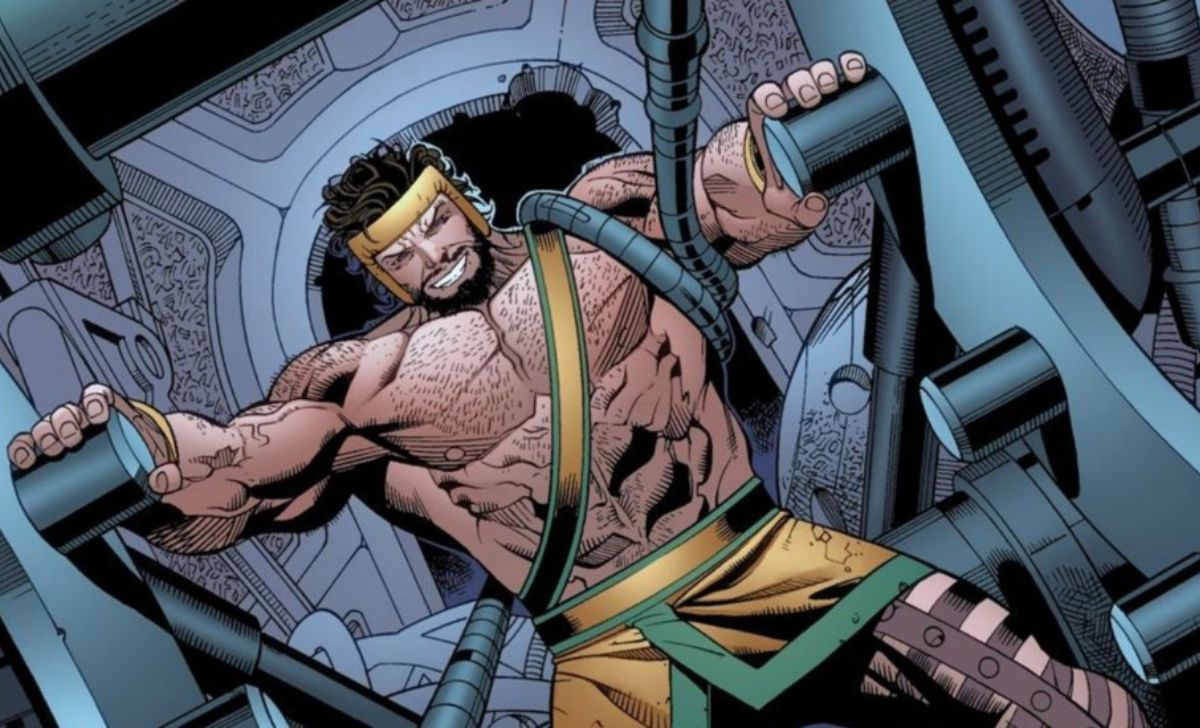
The Prince of Power stands among Marvel Comics’ most enduring and fascinating characters, bridging the gap between ancient mythology and modern superhero storytelling. Hercules, the legendary Greek demigod, has carved out a unique place in the Marvel comics since his origin in the 1960s, bringing with him millennia of mythological heritage and a personality that blends heroic nobility with refreshing humanity. His journey from ancient legend to contemporary comic book icon represents one of Marvel’s most successful adaptations of classical mythology into the superhero genre.
The Creative Genesis
Marvel’s version of Hercules was masterfully crafted by the legendary creative duo of Stan Lee and Jack Kirby, first appearing in Journey into Mystery Annual #1 in October 1965. This debut came during Marvel’s Silver Age renaissance, when Lee and Kirby were actively expanding the Marvel Universe by incorporating mythological figures alongside their more traditional superhero creations. The decision to introduce Hercules wasn’t arbitrary – it represented a strategic expansion of Marvel’s cosmic and mythological scope, providing a counterpart to Thor who could match the Thunder God in both power and divine heritage.
Interestingly, while this 1965 appearance marked Hercules’ formal introduction to the modern Marvel Universe, the character had actually appeared in earlier Marvel publications during the Golden Age. A version of Hercules appeared in U.S.A. Comics #7 in March 1943, though this was a much different iteration that merely gave powers to another character rather than starring in his own right. This earlier appearance demonstrates Marvel’s long-standing interest in mythological characters, even before the company became the multimedia juggernaut it is today.
Mythological Foundation and Marvel Adaptation
Marvel’s Hercules draws heavily from his classical Greek origins while adapting the character for contemporary comic book storytelling. Like his mythological counterpart, Marvel’s Hercules is the son of Zeus, the king of the Olympian gods, and Alcmene, a mortal woman. This divine parentage grants him immense strength, virtual invulnerability, and immortality – traits that make him one of Marvel’s most physically powerful characters.
The mythological Twelve Labors of Hercules remain a crucial part of his Marvel Comics backstory. These legendary feats, including slaying the Nemean Lion and capturing Cerberus, the three-headed guardian of Hades, established Hercules as the greatest hero of Greek mythology and earned him his place among the gods. Marvel Comics references these labors extensively, using them to demonstrate Hercules’ incredible capabilities and his worthiness to stand alongside other cosmic-level heroes.
However, Marvel’s adaptation goes beyond mere mythological translation. The character embodies the complexity of Greek heroic tradition – he is simultaneously noble and flawed, powerful yet vulnerable to his own pride and emotions. This duality makes him far more than just a strongman; he represents the classical heroic ideal translated into modern sensibilities.
Early Marvel Universe Integration
Hercules’ introduction to the Marvel Universe came through his rivalry with Thor, establishing one of comics’ most enduring divine rivalries. In his debut story “When Titans Clash,” the two gods meet when Thor accidentally discovers a passage to Mount Olympus, leading to their first confrontation over something as trivial as who would cross a bridge first. This seemingly petty dispute perfectly captured both characters’ personalities – their pride, their strength, and their capacity for both conflict and eventual friendship.
The Thor-Hercules rivalry became a defining element of both characters, with their relationship evolving from antagonistic to competitive to genuinely fraternal over the decades. Their early conflicts, including battles over Jane Foster’s affections when Hercules made advances toward Thor’s mortal love interest, demonstrated how Marvel grounded these mythological figures in relatable human emotions and situations.
The Pluto Deception
One of Hercules’ most significant early storylines involved his manipulation by Pluto, the Olympian god of the underworld. In a clever scheme, Pluto tricked Hercules into signing what the Prince of Power believed was a Hollywood movie contract, but which actually bound him to rule the Netherworld in Pluto’s place. This storyline showcased several important aspects of Hercules’ character: his vanity and desire for fame, his sometimes poor judgment, and his ultimate nobility when facing the consequences of his actions.
Thor’s rescue of Hercules from this predicament marked a turning point in their relationship, transforming their rivalry into mutual respect and eventual friendship. The incident also demonstrated how Marvel used classical mythological themes – divine trickery, heroic bonds, and the concept of fate versus free will – to create compelling modern narratives.
Joining the Avengers
Hercules’ transition from occasional Thor antagonist to Avenger represented a crucial evolution in his Marvel Comics journey. His path to membership began when the Asgardian sorceress Enchantress, working with Ares, used magical influence to turn Hercules against the Avengers. However, once freed from the enchantment, Hercules chose to aid Earth’s Mightiest Heroes, demonstrating the heroic nature that would define his character for decades to come.
Formally joining the Avengers in The Avengers #38 in 1967, Hercules brought both incredible power and a unique perspective to the team. Unlike many of his teammates, he possessed thousands of years of experience and a divine heritage that made him one of the few members who could match Thor’s strength and durability. His addition to the roster came at a time when the team was expanding beyond its original founding members, helping to establish the rotating membership that became an Avengers trademark.
Personality and Character Traits
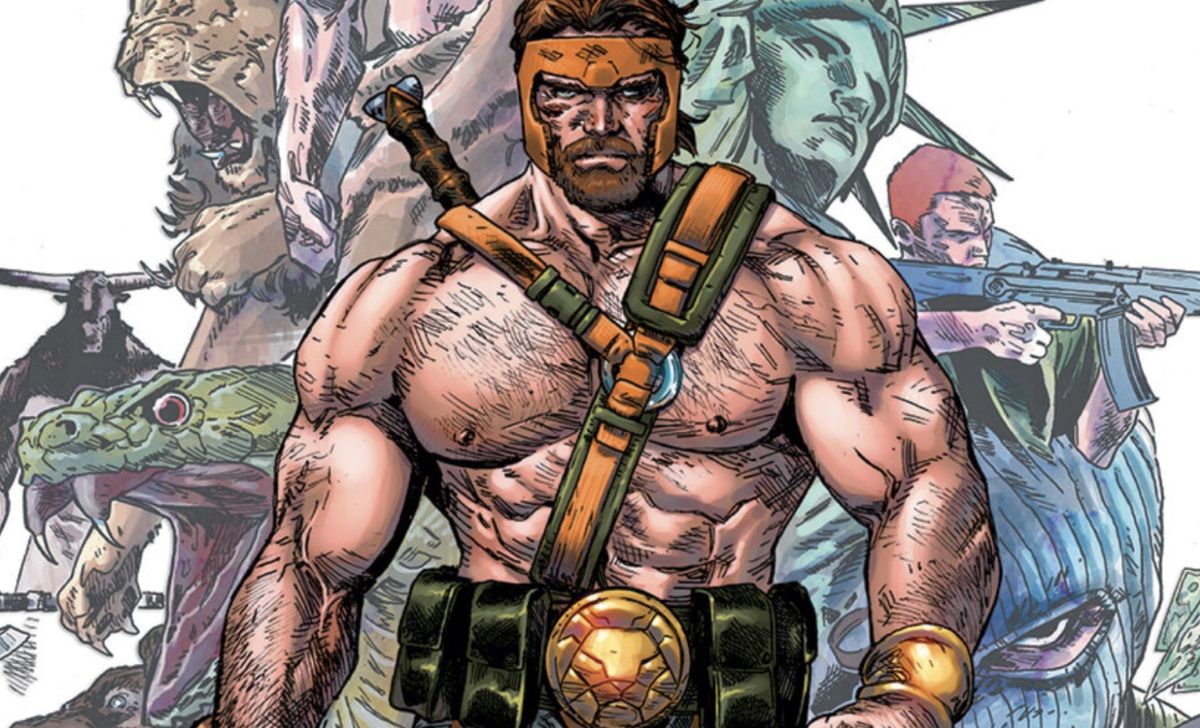
What sets Marvel’s Hercules apart from other powerhouse characters is his distinctly human personality despite his divine nature. He embodies many classical heroic virtues – courage, loyalty, and determination – while also displaying very mortal flaws including pride, impulsiveness, and a love of celebration that sometimes leads to overindulgence. This combination makes him both aspirational and relatable, a god who maintains connection to humanity rather than standing aloof from it.
Hercules is portrayed as gregarious and charismatic, someone who genuinely enjoys the company of mortals and finds meaning in protecting them. His approach to heroism differs markedly from more brooding characters; he fights not out of obligation or guilt, but from genuine joy in doing good and protecting others. This optimistic outlook, combined with his incredible strength, makes him a natural leader and inspirational figure within the Marvel Universe.
However, his flaws are equally important to his character development. His pride has led him into numerous predicaments, from Pluto’s contract trick to various conflicts with other heroes. His impulsiveness sometimes puts him and others in danger, while his love of wine and celebration occasionally becomes problematic, reflecting the complex relationship between heroism and personal responsibility.
Powers and Abilities
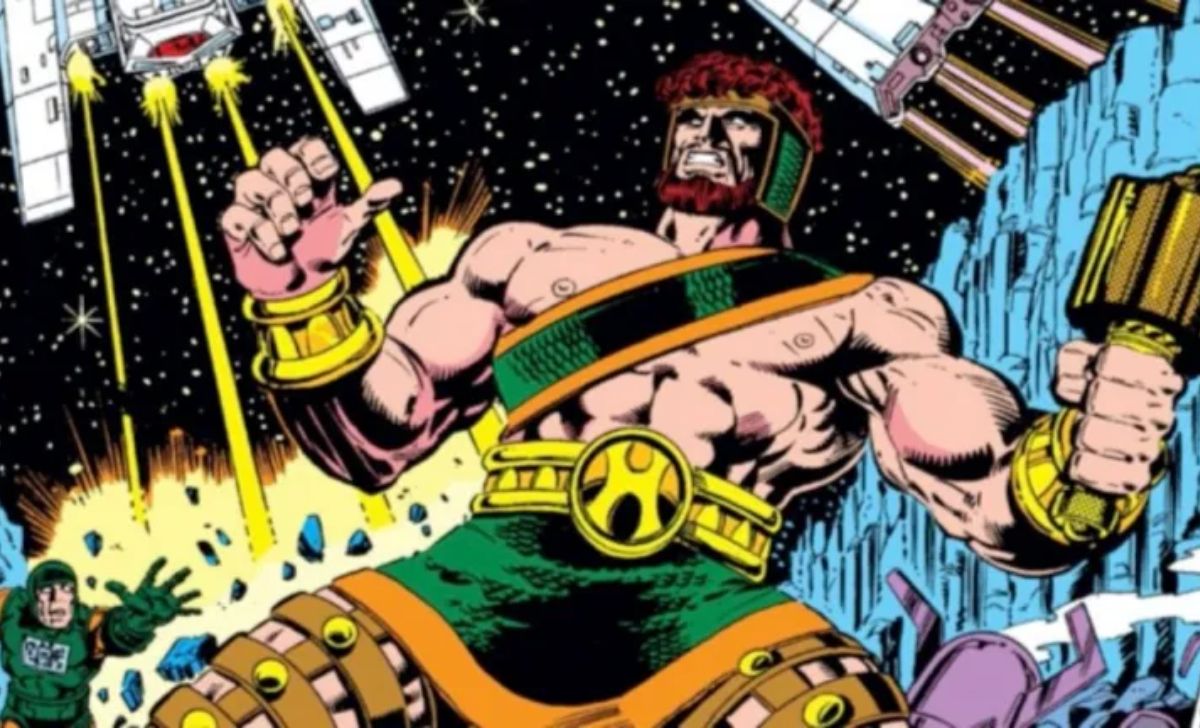
Hercules possesses Class 100 strength, meaning he can lift over 100 tons, placing him among Marvel’s physically strongest characters. His strength rivals that of Thor and the Hulk, making him capable of battling cosmic-level threats and going toe-to-toe with the most powerful villains in the Marvel Universe. Beyond raw strength, he possesses superhuman durability that allows him to survive attacks that would destroy lesser beings, as well as virtual immortality that has sustained him for millennia.
His combat skills reflect both his mythological heritage and thousands of years of experience. He is a master of Greek boxing, wrestling, and pankration, as well as an expert archer whose accuracy rivals that of Hawkeye. Like many divine beings in Marvel Comics, he possesses the All-Speak ability, allowing him to communicate in any language, including alien tongues.
Hercules’ signature weapon is his Golden Mace, forged from adamantine by the Olympian smith god Hephaestus. This virtually indestructible weapon can absorb and disperse energy, and in recent comics has been shown to have the ability to purify spirits and lay souls to rest. The mace represents both his divine heritage and his role as a protector, serving as a symbol of his authority and power.
The Champions Era
During the 1970s, Hercules became a founding member of the Champions, marking his first time as the primary hero of a team. Based in Los Angeles, the Champions represented Marvel’s attempt to create a West Coast superhero team, with Hercules joining alongside Black Widow, Ghost Rider, Angel, and Iceman. Though the team was short-lived, lasting only from 1975 to 1978, it provided crucial character development for Hercules and established him as a capable leader rather than just a powerful teammate.
The Champions era showcased Hercules’ growth from a sometimes reckless god to a more mature hero capable of working effectively with mortals. His relationship with Black Widow during this period added romantic depth to his character, while his leadership responsibilities helped develop his tactical thinking and emotional intelligence.
Modern Era Evolution
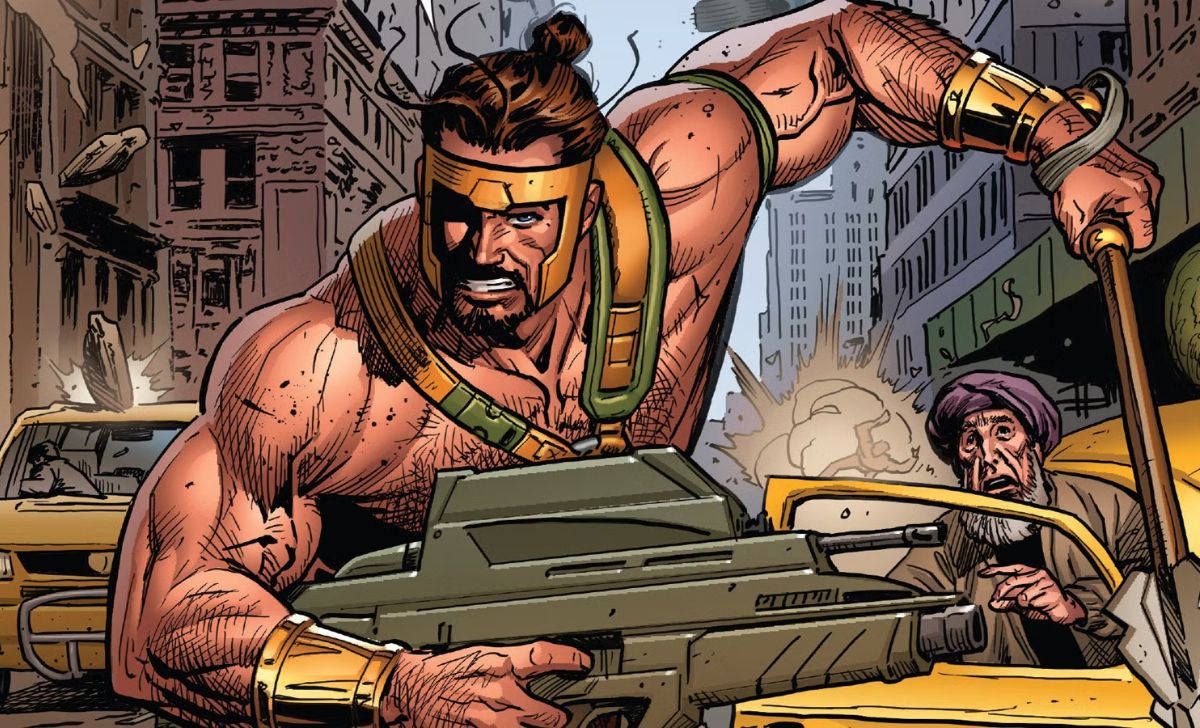
The 1980s and beyond saw Hercules undergo significant character development, including a storyline where Zeus stripped him of half his power and his immortality as punishment for defying Olympian authority. This temporary mortality forced Hercules to confront his own limitations and develop greater wisdom and humility. The experience deepened his appreciation for mortal life and strengthened his commitment to protecting humanity.
One of his most acclaimed storylines came in The Incredible Hercules series (2008-2010), where he partnered with teen genius Amadeus Cho following the events of World War Hulk. This unlikely partnership between the ancient god and the modern prodigy created compelling storytelling opportunities, with Cho’s intelligence complementing Hercules’ strength and experience. The series explored themes of mentorship, friendship, and the clash between ancient wisdom and modern knowledge.
The Ultimate Sacrifice
Hercules’ character arc reached its emotional peak during the Chaos War storyline, where he achieved omniscience and god-like power to battle the Chaos King, a cosmic threat to all existence. In the climactic battle, Hercules made the ultimate sacrifice, using all his newfound power to restore the universe after the Chaos King’s defeat, leaving him mortal and powerless. This act of selfless heroism represented the culmination of his character development, showing how the once-proud god had grown into someone willing to give up everything for others.
Following this sacrifice, Hercules relocated to Brooklyn, working as a bartender while retaining some measure of heroic capability through stolen Olympian weapons. This period showed a more grounded, humble version of the character while maintaining his essential heroic nature and commitment to protecting others.