
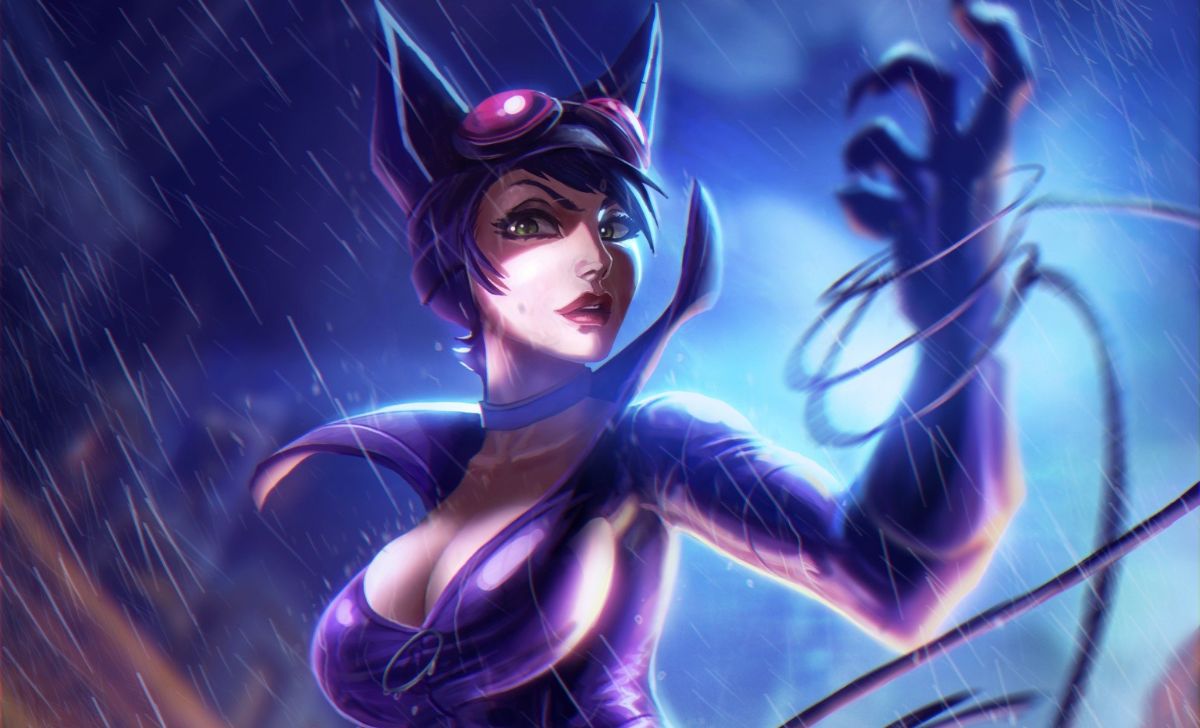
The origin of Catwoman in DC Comics is a tale of transformation, resilience, and moral ambiguity that has evolved over the decades. Catwoman, known primarily as Selina Kyle, has become one of DC’s most iconic antiheroes, equally famous as a criminal, a lover, and a complex character who lives in the shadowy margins of Gotham City.
Catwoman’s Creation and First Appearance
Catwoman debuted in Batman #1 in the spring of 1940, created by Bill Finger and Bob Kane. Initially known simply as “the Cat,” her first appearance established her as a mysterious jewel thief with an allure that both antagonized and attracted Batman. Modeled after film stars like Jean Harlow and Hedy Lamarr, Catwoman was crafted as a classic femme fatale, expertly treading the line between adversary and potential ally to the Dark Knight.
In her earliest stories, Catwoman did not wear the now-iconic cat costume. Instead, she disguised herself in various ways and used her wits and agility to outmaneuver both Gotham’s lawmen and other criminals. Her flirtatious banter with Batman quickly became a defining trait, laying the groundwork for their enduring and complicated relationship.
Backstory and Evolution of Selina Kyle
Catwoman’s backstory has seen numerous revisions over the years, reflecting shifting social attitudes and storytelling traditions within comics.
- Golden Age: Early on, Catwoman was an amnesiac flight attendant who turned to crime after a plane crash, as revealed in Batman #62 in 1950. However, this origin was later retconned, with Selina admitting she fabricated the story to escape her criminal life.
- Silver Age: During this period, Catwoman moved between villainy and heroism. She even helped Batman in certain storylines, reflecting a reformation arc that contributed to her layered persona. Her disappearance from comics between 1954 and 1966 resulted from the Comics Code Authority’s moral censorship, particularly its restrictive rules around female characters.
- Modern Age Revision: The seminal storyline “Batman: Year One” by Frank Miller and David Mazzucchelli in 1987 reimagined Selina Kyle with a more grounded and gritty origin. Here, she is depicted as a survivor of an abusive home, fleeing to the streets after her parents’ deaths and enduring a harsh upbringing that included periods of prostitution and crime. Her first encounter with Batman inspired her transformation into Catwoman, using her skills in gymnastics, martial arts, and acrobatics to become an infamous cat burglar in Gotham City.
“Her Sister’s Keeper,” a 1989 limited series, further explored Selina’s history, detailing her battles to protect her younger sister Maggie and the trauma inflicted by those who exploited them. This era established Catwoman’s code of ethics—she refused to kill except when absolutely necessary and often cared deeply for the vulnerable, especially women and children.
Costumes, Skills, and Signature Traits
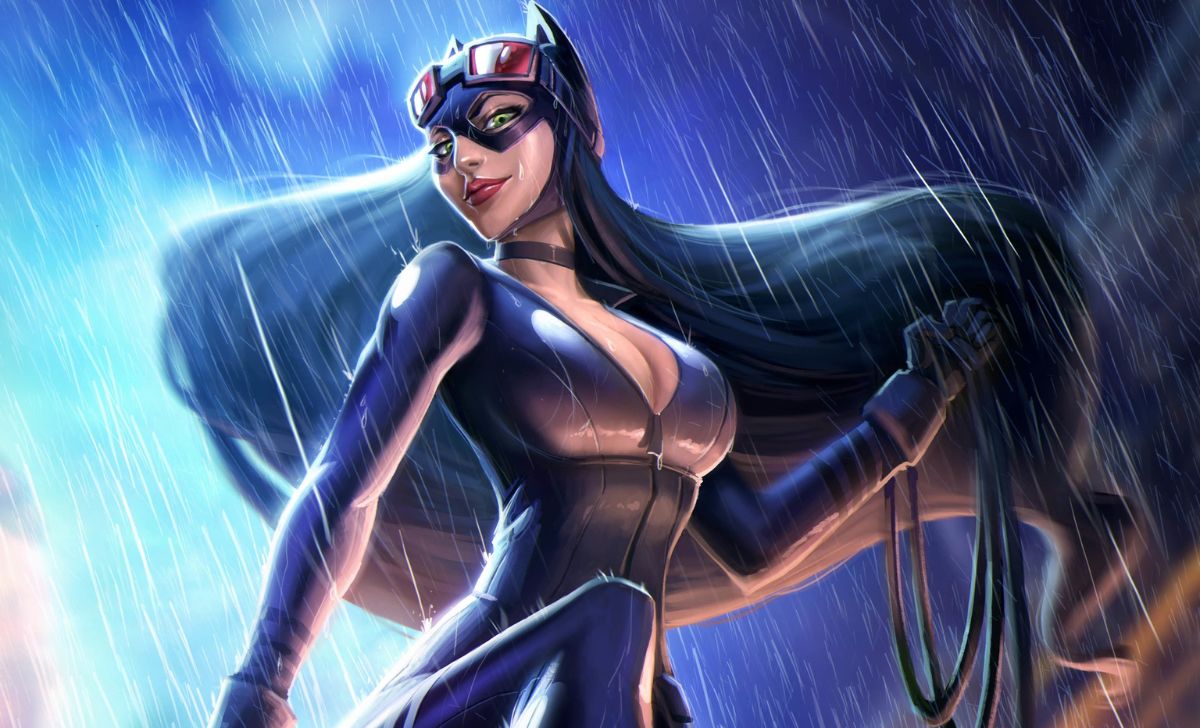
Over the decades Catwoman’s visual aesthetic has shifted, but her signature style—a skintight bodysuit, retractable claws, and a bullwhip—remains iconic. Early depictions varied from elegant dresses with hoods to the green or purple bodysuits of the Silver and Bronze Ages. Modern renditions emphasize sleek black suits with high-tech features, including infra-red goggles and reinforced armor.
Selina Kyle possesses no superpowers—her skills are honed through relentless training, experience, and instinct. She is a master thief, acrobat, martial artist, and seductress. Trained at times by the Armless Master, Wildcat, and in various martial arts disciplines, Catwoman uses her agility, intelligence, and adaptability to survive and thrive both as a burglar and crime-fighter.
Catwoman’s Complex Relationships
Catwoman’s relationship with Batman is one of the most nuanced and dynamic in comics. They are often portrayed as opposite sides of the same coin: she is drawn to Batman’s sense of justice, while her own code allows for moral gray areas Batman cannot always tolerate. Their romance is characterized by push and pull, brief alliances, betrayals, and mutual respect.
Catwoman’s alliances extend beyond Batman, forming strong bonds with characters like Holly Robinson, Poison Ivy, and Harley Quinn. These relationships have evolved over time, most notably in team-ups like Gotham City Sirens, which further explored the depth and diversity of Selina’s character and motivations.
Major Story Arcs and Key Moments
Catwoman’s journey has featured several defining story arcs:
- No Man’s Land: Catwoman helps Gotham rebuild after a devastating earthquake, cementing her status as an antihero willing to fight for her city.
- Hush: A crucial storyline where Batman reveals his alter ego to Selina and the two briefly sustain a romantic relationship, only for trust issues to arise due to past manipulations.
- Heart of Hush: Catwoman’s heart is literally stolen (and later recovered), a metaphor for the vulnerability she feels in her on-again, off-again relationship with Batman.
- Gotham City Sirens: Selina teams up with Poison Ivy and Harley Quinn, underscoring her ability to balance loyalty to friends with her own survival instincts.
- One Year Later: Catwoman steps away from the Catwoman role, allowing her friend Holly to take up the mantle while she adjusts to motherhood and attempts to live a life free of crime.
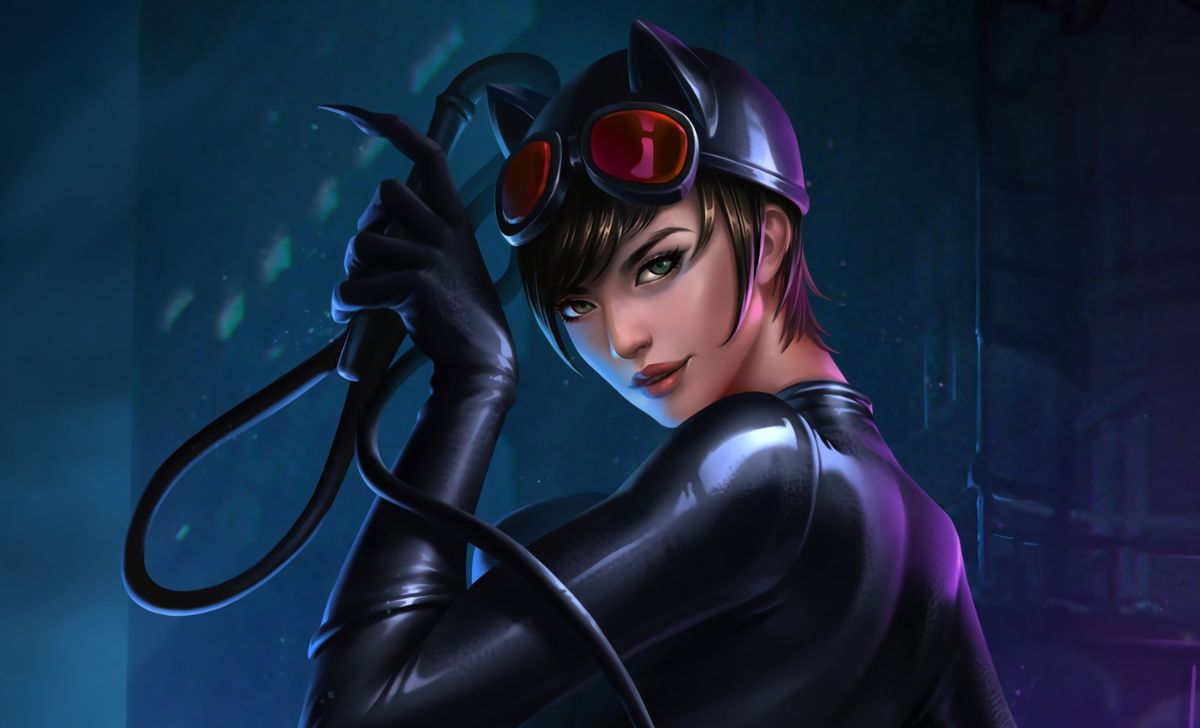
Catwoman in Other Media
Catwoman’s cultural impact extends far beyond comics. She has been portrayed in film and television by actresses such as Lee Meriwether, Julie Newmar, Eartha Kitt, Michelle Pfeiffer, Halle Berry, Anne Hathaway, and Zoë Kravitz. These portrayals range from campy villainesses to contemporary antiheroes, each adding new dimensions to the character.
In animation, Catwoman often appears in Batman: The Animated Series, which presents her as a cross between a thief and philanthropist, deeply devoted to the welfare of Gotham’s animals and downtrodden citizens. Her appearances in video games and other merchandise further solidify her standing as an enduring pop culture icon.
Impact, Legacy, and Modern Interpretations
Catwoman stands as a symbol of empowerment, complexity, and moral ambiguity in comics. She challenges stereotypes, redefines femininity in the superhero genre, and serves as a foil, a partner, and sometimes even a hero in her own right. Ranked among both the greatest comic book villains and heroes, her capacity for reinvention and her refusal to fit neatly into any box make her a consistently compelling character in the DC universe.
Despite numerous retcons and reinterpretations, the core of Catwoman remains unchanged: she is a survivor who transforms adversity into power, navigating Gotham’s shadows with wit, skill, and a fiercely independent spirit.