

Barbatos is one of the most enigmatic and influential entities in DC Comics lore, renowned for his cosmic origin, crucial ties to Gotham’s supernatural mythology, and his pivotal role in shaping Batman’s destiny. This long-read blog explores the mythic and convoluted journey of Barbatos—from an obscure demon in early Batman stories to the central antagonist of the “Dark Nights: Metal” event. It uncovers Barbatos’ appearances, evolution, and the philosophical subtexts that define his place in the DC Multiverse.
The Primordial Cosmic Bat-God
Barbatos first emerged as a cosmic dragon created by the World Forger, an architect responsible for shaping universes from the hopes and fears of existence. In the World Forge, Barbatos was tasked to devour broken, unstable universes, returning their energies so that the Forge could persist. However, Barbatos grew corrupt, killed his master, and seized control of the World Forge, turning it from a source of possibility into a realm of proliferating nightmares—the Dark Multiverse.
This betrayal set Barbatos apart from other cosmic entities. Rather than sustaining order, he became the harbinger of chaos, populating the Dark Multiverse with doomed worlds and alternate realities. These unstable Earths often reflected humanity’s deepest fears and failures, making Barbatos a symbol not just of destruction, but of negative potential.
Barbatos and Gotham’s Occult Creation Myth
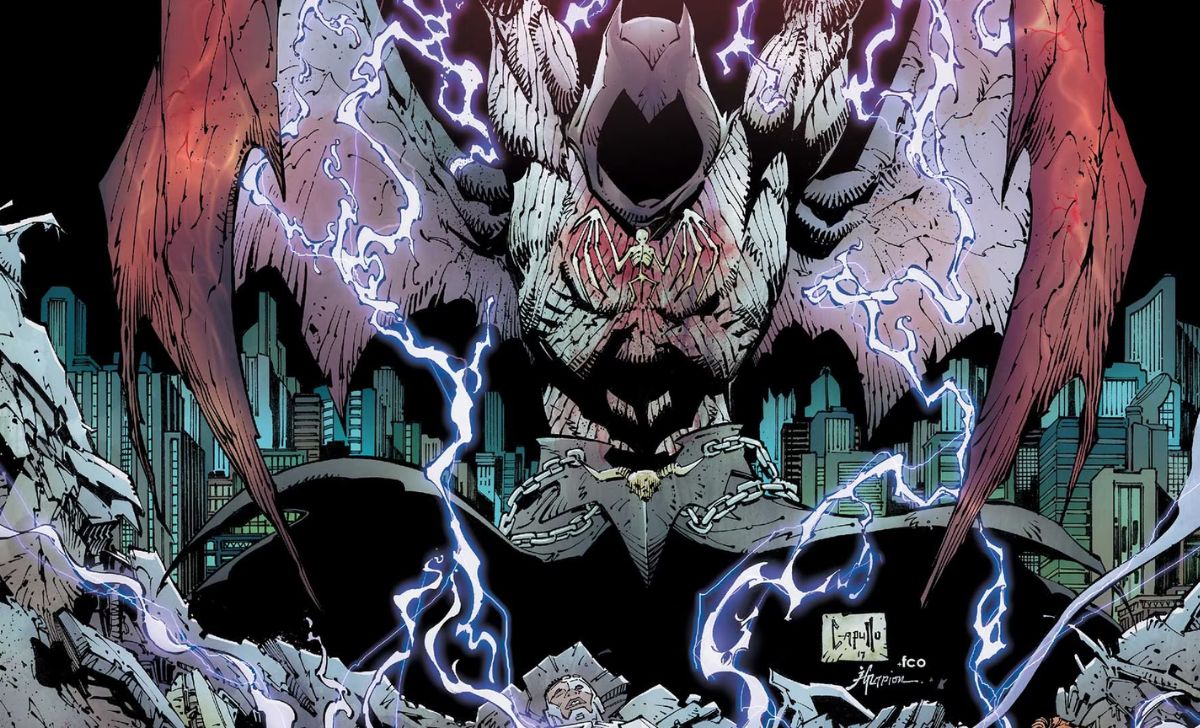
Though the cosmic backstory was retroactively added by Scott Snyder and Greg Capullo in “Dark Days: The Casting” and the “Dark Nights: Metal” series, Barbatos’ first actual appearance dates to Batman #452-454 (“Dark Knight, Dark City,” 1990). Here, the character was introduced as an ancient bat demon summoned by a secret cabal of historical figures, including Thomas Jefferson, seeking to draw supernatural power into colonial Gotham.
During a grisly ritual, Jefferson and his associates attempted to sacrifice a young woman to bind Barbatos. Their failure resulted in terror, sealing the barn where the ritual occurred, leaving Barbatos trapped with his intended sacrifice. Centuries later, the Riddler discovers Stockman’s journals and becomes obsessed with continuing the summoning, believing Barbatos still lingers in Gotham’s shadows. Ultimately, Barbatos’ influence grows, subtly shaping Gotham into the macabre city known for breeding both madness and heroism. He claims an intrinsic link to Gotham, asserting that he not only embodies the city’s darkness but orchestrated the murder of the Waynes to create Batman, who is fated to be his disciple and avatar.
The Court of Owls and Ancient Cults
Throughout Gotham’s history, several cults and secret societies venerated Barbatos, most notably the Judas Tribe (which later became the Court of Owls). These cultists prepared Batman to become the “doorway” for Barbatos’ entry into Prime Earth, infecting Bruce Wayne’s body with metals from the Dark Multiverse. Their machinations set the stage for Barbatos’ eventual emergence, making him not just a monster but a god whose worship shapes history, legacy, and destiny.
Final Crisis and The Hyper-Adapter
Barbatos’ role expanded dramatically during Grant Morrison’s “Final Crisis” and “The Return of Bruce Wayne.” When Batman is struck by Darkseid’s Omega Effect, he is sent hurtling through time, pursued by the Hyper-Adapter—a monstrous weapon tied to Barbatos. During his journey in prehistoric Gotham, Bruce adopts a giant bat as his symbol and unwittingly inspires the Miagani (Bat Tribe), playing into Barbatos’ manipulation.
The Hyper-Adapter eventually adapts into a bat demon (Barbatos) and is sent back to Gotham’s ancient past, sowing seeds for the development of future cults and the eventual transformation of Thomas Wayne into Doctor Simon Hurt, an avatar of the Adapter. Morrison’s story blurs the lines between technological horror and eldritch myth, introducing the idea that Barbatos is both a cosmic threat and a legacy entity woven into the very DNA of Gotham’s darkness.
The Dark Multiverse and Dark Nights: Metal
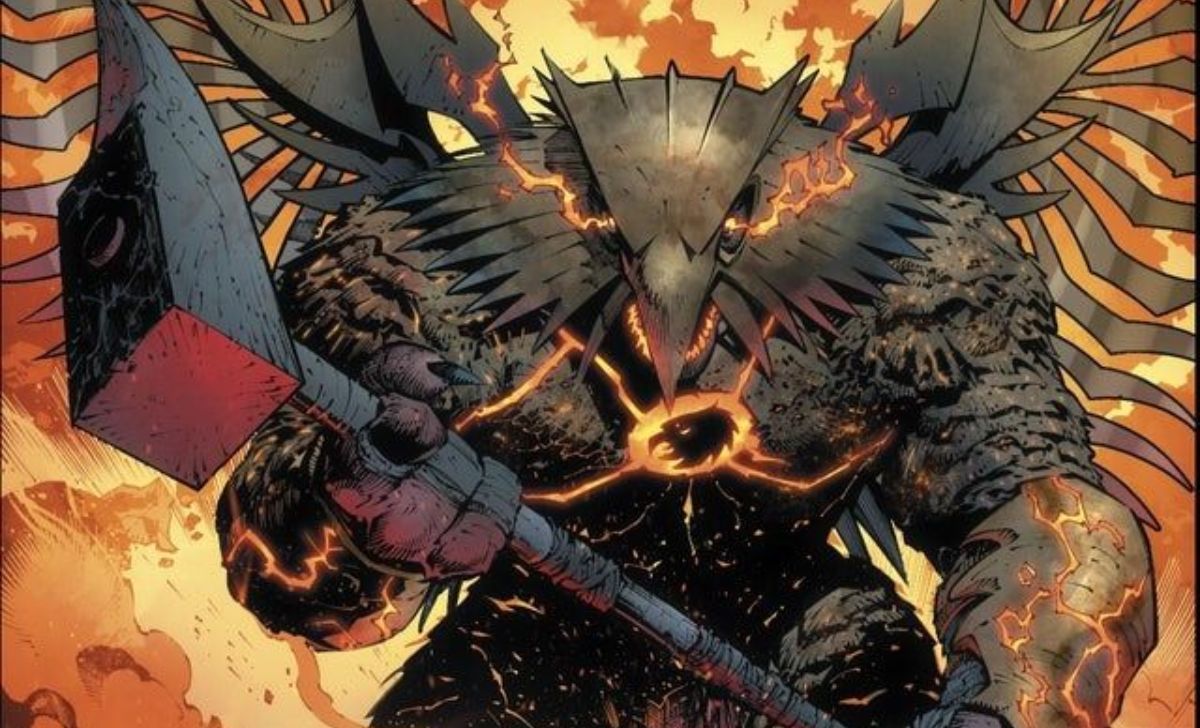
Barbatos’ most ambitious plot unfolds in “Dark Nights: Metal,” where he attempts to conquer Prime Earth using Batman as a gateway. The Justice League discovers Barbatos’ true origins as the corrupted dragon of the World Forge, supported by servitors known as the Dark Knights—evil Batmen from alternate universes, led by the infamous Batman Who Laughs. Barbatos manipulates events for eons, ensuring Bruce Wayne is exposed to five metals essential for the ritual. Once the trap is sprung, Barbatos and his knights invade reality, leading to chaos and transforming Earth into a living nightmare.
Barbatos’ defeat involves complex battles with the Justice League, Hawkman and Hawkgirl (who previously banished him at great cost), and the discovery of Nth Metal—one of the few substances capable of weakening him and redirecting the energies of the Dark Multiverse. Barbatos’ cosmic ambitions are ultimately foiled, but his legacy lingers, as does his influence on Batman and Gotham.
Influence and Symbolism
Barbatos represents more than a mere villain—he is the mythic enemy within, embodying the darkness buried deep in Gotham and Bruce Wayne’s own psyche. His story is both mythological and psychological: Barbatos is the shadow, the force that pushes Gotham to breed tragedy and heroism, and the adversary that Batman must eternally resist. The symbolism of bats, darkness, and corrupted creation reflects the cyclical nature of Batman’s own journey—his pain, trauma, and fight for hope against overwhelming despair.
It is Barbatos’ uncanny ability to manipulate fate, history, and cults that makes him the architect of Gotham’s darkness. By intertwining his cosmic existence with generations of tragedy, Barbatos ensures that both Batman and Gotham will always be shaped by loss and resilience. He is not just a destructive god, but the very essence of the city’s tragic poetry.
Conclusion: Barbatos and the Eternal Struggle
Barbatos’ journey from obscure bat demon to god of the Dark Multiverse reveals the power of mythology in superhero comics. His story connects primal fears with cosmic plotlines, linking the supernatural roots of Gotham to the existential threats of the DC universe. Barbatos is an evolving antagonist—his rituals and ambitions perpetually reshaping Batman’s world, exposing new depths of darkness, and testing the limits of heroism against insidious evil.
For readers, Barbatos is a reminder that every hero emerges from shadow, every city hides ancient secrets, and every myth can return in stranger forms with each new crisis. The bat-god’s saga mirrors our fascination with tragedy, hope, and the eternal struggle to overcome the darkness within. As the DC universe continues to evolve, Barbatos will remain a cornerstone of its grand tapestry—a living nightmare, a builder of monsters, and the beast that built Gotham.