

Netflix’s $72bn agreement to acquire Warner Bros Discovery’s film and streaming businesses marks a historic reshaping of Hollywood, uniting the world’s biggest streamer with one of its most storied studios while raising profound questions for cinemas, competitors and consumers. Drawing on Warner’s powerful franchises and production machinery, Netflix aims both to dominate streaming and finally crack the traditional blockbuster-and-Oscars game that has long eluded it.
How the deal is structured
Netflix is buying Warner Bros Discovery’s film and TV studios and its streaming operations, including HBO Max, in a cash-and-stock transaction valuing the equity at $72bn and the overall enterprise (including debt) at about $82.7bn. Warner Bros Discovery shareholders will receive $27.75 per share, with both companies’ boards unanimously approving the deal and expecting completion after Warner’s planned split into a studios/streaming company and a separate global networks entity, Discovery Global. Warner’s cable networks such as CNN and most traditional channels will sit in Discovery Global, while the studios and HBO-branded streaming assets move under Netflix, with TNT Sports International remaining with the studios/streaming side.
Strategic goals and streaming ambitions
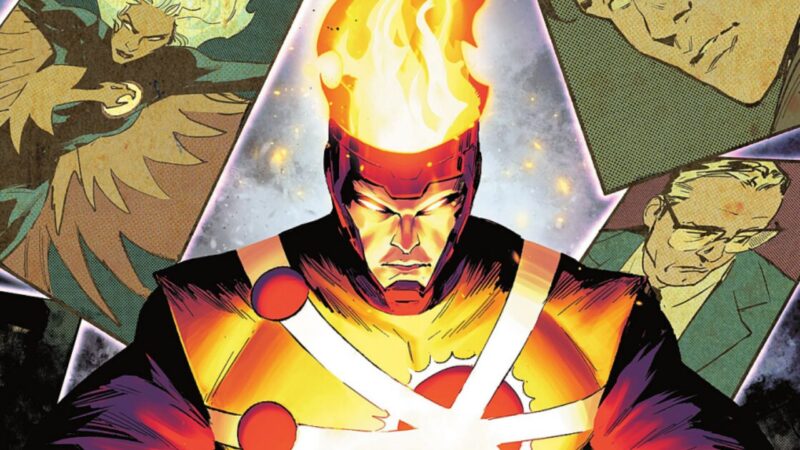
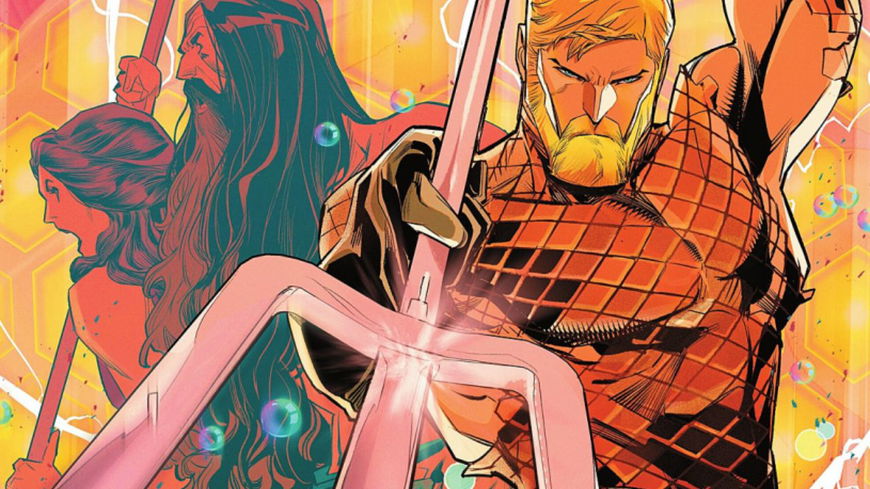
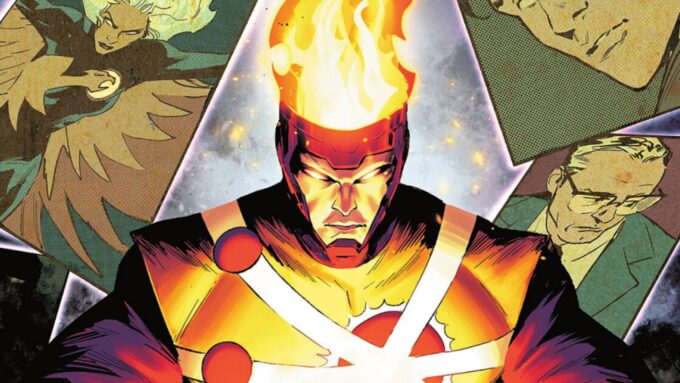
For Netflix, the purchase delivers some of the most valuable intellectual property in entertainment – including DC Universe films, Harry Potter, Barbie and Game of Thrones – alongside the HBO brand and Warner’s deep catalogue of prestige TV and classic cinema. Netflix executives frame the move as a way to “define the next century of storytelling”, arguing that combining Warner’s midnight-library-by-matt-haig-book-review/”>library with Netflix originals like Stranger Things gives audiences more of what they already love while massively expanding the platform’s global draw. Internally, the acquisition also speaks to long‑running ambitions: Netflix wants a best picture Oscar and true theatrical-scale blockbusters, and views Warner’s seasoned blockbuster infrastructure as the missing piece after expensive in‑house attempts such as The Gray Man, Red Notice and The Electric State failed to become enduring, culture-defining hits.
Cinemas, theatrical windows and Hollywood tension
Both companies have stressed that Warner Bros films will continue to open in cinemas, a gesture meant to calm regulators, cinema owners and creative guilds who fear the loss of another major theatrical pipeline. Netflix has promised-land-by-barack-obama/”>promised to keep big-screen releases and has “offered an olive branch” by framing theatrical runs as part of its long‑term strategy, but co‑CEO Ted Sarandos has already signalled that the traditional exclusivity “window” will “evolve” to be more “consumer friendly” – code for shorter cinema runs before titles move to streaming. This shift alarms groups such as Cinema United, whose chief executive calls the merger an “unprecedented threat” to theaters worldwide, warning that fewer and shorter theatrical releases from a more consolidated studio ecosystem could hit everything from multiplex chains to single‑screen independents.

Cost savings, integration risks and industry impact
Netflix expects to find $2bn to $3bn in annual savings by cutting overlapping support and technology functions, while still allowing Warner’s TV studio to sell shows to third parties and continuing to produce Netflix‑exclusive content for its own platform. Analysts see the move as a bold statement of intent that cements Netflix’s aspiration to be the global leader in streaming but also caution that integrating a traditional studio culture – built on theatrical norms, complex backend deals and multi‑party rights – with Netflix’s subscription‑first model will be difficult and politically sensitive in Hollywood. Observers also anticipate “big reductions” in combined film and TV output as efficiencies are imposed, likely provoking pushback from unions and talent and further concentrating power in fewer mega-franchises and tentpole projects.
What it could mean for consumers and rivals
For viewers, the merger promises a vast, consolidated midnight-library-by-matt-haig-book-review/”>library but almost certainly higher subscription costs over time, as Netflix’s expanded catalogue and increased market power give it more room to raise prices. Even if HBO Max is rebranded, folded into or positioned alongside Netflix rather than maintained as a fully separate service, analysts expect that Netflix’s wider household reach will drive up total subscription spending rather than lower it. Rival bidders such as Paramount Skydance, which unsuccessfully tried to acquire the whole of Warner Bros Discovery including cable assets, are left on the back foot, while other giants like Disney and Apple must now respond to a landscape in which Netflix controls both a dominant global streaming platform and one of Hollywood’s most iconic studios – a combination that could “reorient Hollywood” around a handful of tech‑driven entertainment superpowers.