Human history is filled with stories. Some are retold as myths, some as religious doctrine, but both have shaped civilizations, inspired cultures, and created a shared symbolic vocabulary across time and geography. The relationship between mythology and religion is a dynamic tapestry, with overlapping characters, archetypes, and narratives that still influence modern culture and individual beliefs. Mythology and Religion: Where Do the Characters Overlap? — this question captures the essence of that intersection, helping us understand how these ancient tales intertwine to reveal universal truths about humanity’s search for meaning, morality, and the divine.
The Boundaries: What Are Mythology and Religion?
Mythology refers broadly to traditional stories that serve to explain natural phenomena, customs, or ideals. These narratives feature gods, heroes, monsters, and extraordinary events. Myths often act as allegories for fundamental realities, embedding cultural wisdom, history, and speculation about life’s mysteries within memorable narratives.
Religion is more structured: it organizes myths, rituals, ethical frameworks, and spiritual philosophies into systems that govern personal and community life. Religions may consider their founding stories as literal truth or sacred allegory. Myths are, therefore, an integral part of most religions, used to teach, legitimize, and inspire adherence to their tenets.
Yet, the distinction is blurred. What one culture worships as religion, another may regard as mythology after its time of faith has passed. Over centuries, mythical figures and religious characters have frequently exchanged roles, merged identities, and shared narratives, creating deep and persistent overlaps.
Universal Archetypes: The Characters Who Bridge Myth and Religion
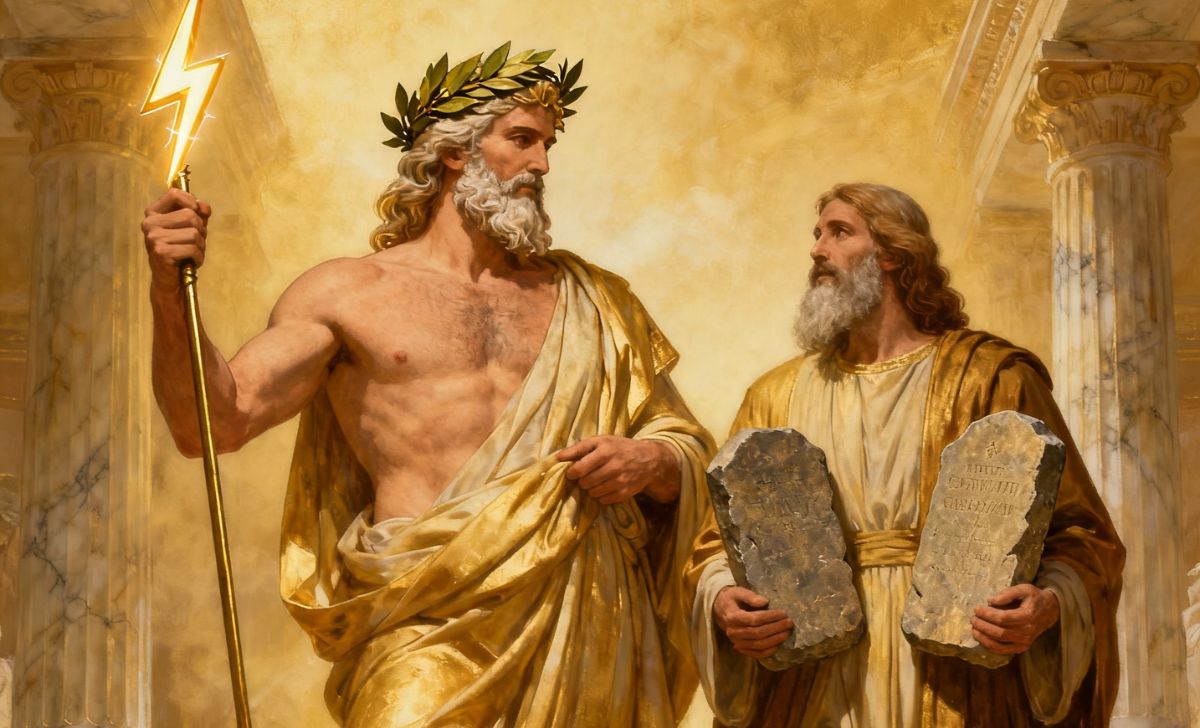
The prolific mythologist Joseph Campbell and psychologist Carl Jung both recognized that certain archetypal figures appear universally in both myth and religion. These recurring characters — the hero, the divine mother, the wise old man, the trickster, the shadow, and others — exist across cultures and epochs, often performing similar roles regardless of context.
The Hero
The hero’s journey is one of the most recognizable mythic and religious archetypes. Whether it is Gilgamesh, Hercules, Krishna, Moses, Jesus, or Muhammad, each hero embarks on a quest, overcomes adversity, and experiences transformation. These characters embody the struggle for virtue, the search for knowledge, and the journey toward self-realization.
Examples:
- Jesus Christ in Christianity, Buddha in Buddhism, and Krishna in Hinduism all represent heroic figures whose teachings, sacrifices, and journeys serve as models for believers.
- Mythic heroes like Gilgamesh (Mesopotamia), Achilles (Greece), or Beowulf (Anglo-Saxon legend) reflect similar values and story arcs.
The Divine Mother
This universal nurturing figure appears in myriad forms — Isis in Egypt, Demeter in Greece, and Mary, Mother of Jesus in Christianity. These figures often symbolize fertility, compassion, and the sustaining power of creation. The divine mother’s role as protector and provider bridges the symbolic language of both myth and religion.
The Trickster
Trickster characters embody chaos, mischief, and transformation. Figures such as Loki in Norse mythology, Coyote in Native American traditions, and even Satan as a tempter in Abrahamic religions, illustrate how the trickster archetype complicates, disrupts, or catalyzes significant change within a narrative framework.
The Wise Old Man or Woman
No mythos is complete without a figure of wisdom and guidance — Merlin in Arthurian legend, Solomon in the Hebrew Bible, or Sage Vyasa in Hindu tradition. These characters guide, instruct, or challenge the hero, bridging the mortal and divine realms.
The Shadow
The dark or adversarial figure in stories — Satan in Christianity, Mara in Buddhism, or Hades in Greek lore — represents humanity’s internal and external struggles with evil, temptation, or chaos. The shadow archetype spans mythological monsters and religious tempters alike.
Overlapping Narratives: Myths Within Religions and Religions as Myths
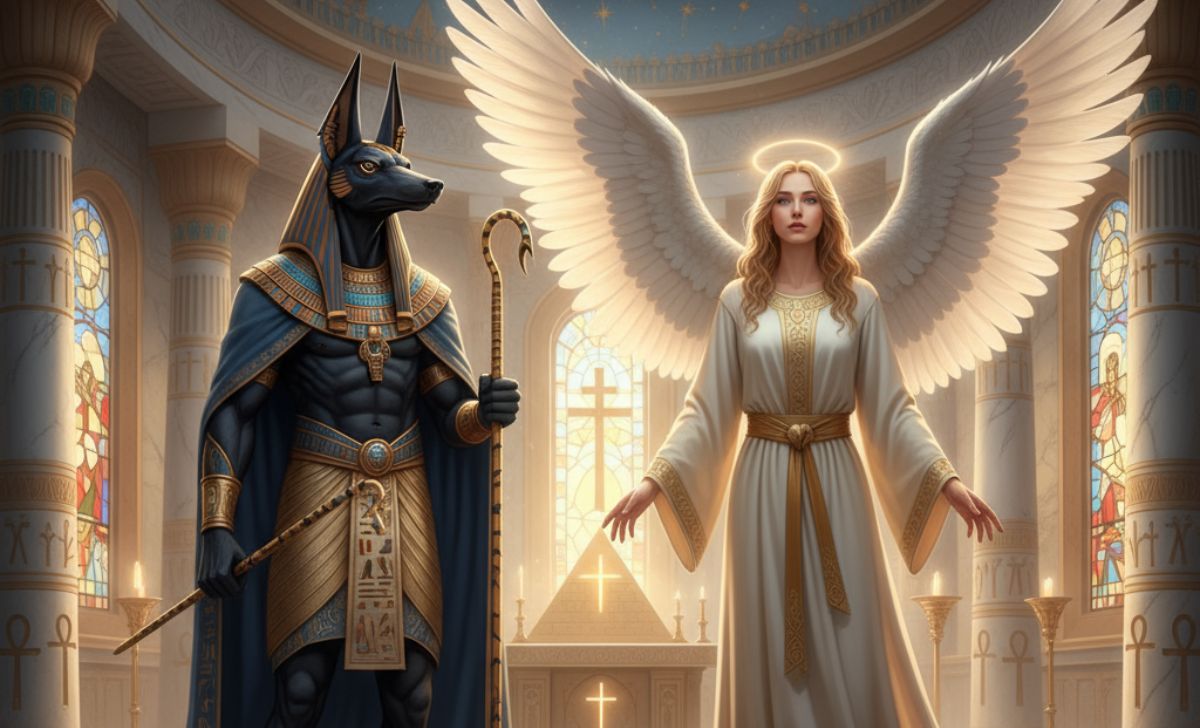
Religious traditions often incorporate earlier myths, reworking them to reflect new values or beliefs. The boundaries between mythological and religious figures become porous as cultures interact and faiths evolve.
Pagan Deities Transformed Into Saints
A common pattern in the spread of new religions is the adaptation of local deities and heroic figures as saints or revered ancestors. For example:
- Saint George and the Dragon is largely based on much older myths of dragon-slaying heroes like Perseus. Saint George’s legend belongs to both Christian and Islamic traditions but also overlaps heavily with pre-Christian motifs found throughout the Near East and Mediterranean.
- Many saints in early Christianity inherited aspects from Roman, Greek, and local deities, providing continuity between the old and the new for converts.
Shared Stories of Death, Resurrection, and Judgment
Many religions feature gods or heroes who die, experience rebirth, or return from the underworld. Examples include:
- Osiris in Egypt: slain and resurrected, ruling the afterlife.
- Dionysus in Greece: a god of dying and rising, with festivals that echo themes of resurrection.
- Jesus Christ: crucified and resurrected, promising eternal life.
- Norse Balder: prophesied to return after Ragnarok.
Final judgment — where the deeds of the dead are weighed and their souls consigned to paradise or suffering — appears in Egyptian, Zoroastrian, Jewish, Christian, and Islamic traditions.
Syncretic Blending and Archetype Transmission
Religious transformations rarely occur in isolation. When cultures meet, myths and religious figures often merge:
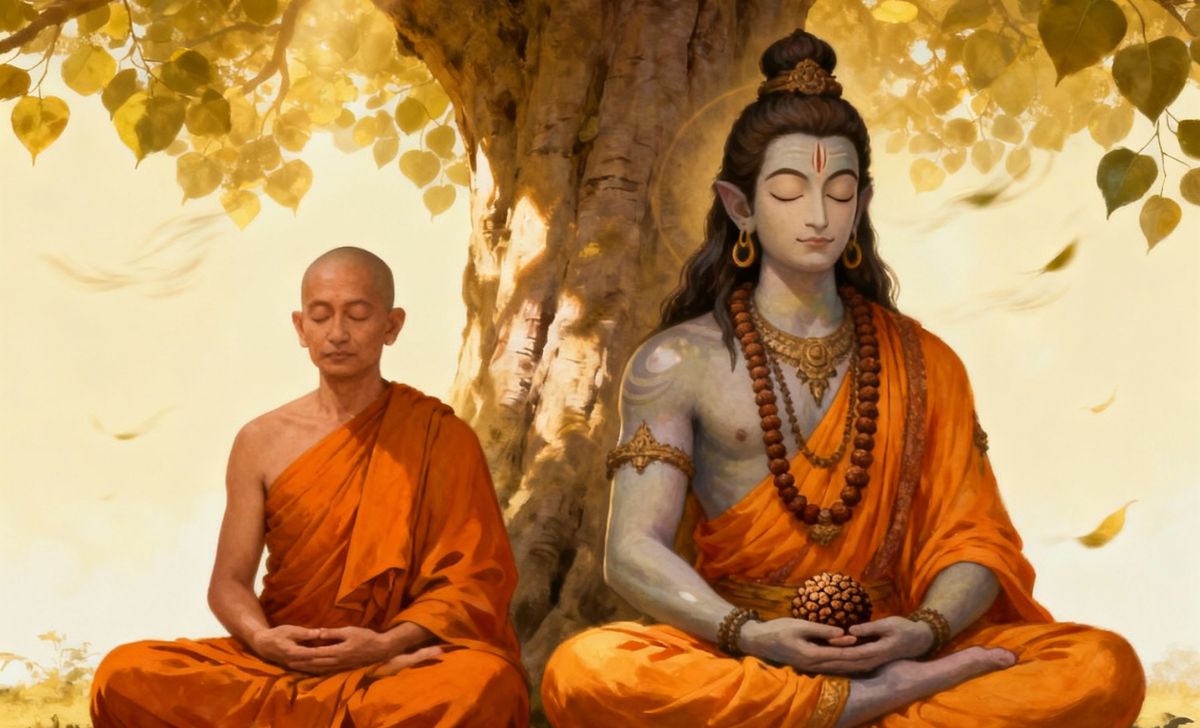
- Hinduism and Buddhism: Many Hindu gods and figures were adopted into Buddhist rituals and iconography. Indra, for instance, became a protector in Buddhist cosmology in East and Southeast Asia. Likewise, Buddha is considered an avatar of Vishnu in some Hindu traditions.
- Roman adoption of Greek mythology: Roman gods such as Jupiter, Venus, and Mars were mapped onto the Greek pantheon as Zeus, Aphrodite, and Ares.
- Norse gods and Christianity: During Scandinavia’s conversion, Norse gods were sometimes honored alongside Christ, and elements like Thor’s hammer coexisted or blended with Christian symbols.
Mythological Figures in Modern Religion and Popular Culture
Even as faith in traditional gods declines, their stories retain significance:
- Many seasonal dates and symbols in contemporary religious practice echo older mythic cycles and fertility motifs.
- Norse, Greek, and Egyptian deities are continually reimagined in comics, films, and novels; for instance, Thor in modern media revives a mythic figure for contemporary storytelling.
- Authors from Tolkien to Lewis have used mythic structures to frame spiritual and moral themes, demonstrating how religious allegory and mythic form reinforce one another.
The Functions of Overlapping Characters
Maintaining Cultural Identity
Mythic characters preserved within religious frameworks foster community, establish shared values, and legitimize power structures. They give nations and peoples a sense of origin, purpose, and destiny.
Teaching Ethical Lessons
By embodying ideals — courage, wisdom, sacrifice, justice — characters in both myths and religious tales serve as models (or warnings) for individual behavior and societal norms.
Explaining Life’s Mysteries
Creation, death, the afterlife, and the nature of suffering are tackled by both myth and religion through their characters and narratives, providing comfort and existential guidance for believers and non-believers alike.
Interrelation of Mythos and Dogma
Scholars have argued that myth and religion are not in conflict but operate synergistically: myth provides a symbolic language for spiritual truths, while religion organizes and ritualizes these myths for community practice.
Changing Viewpoints
Over time, religions may mythologize their own founders or key figures, blurring the line between historical events and mythic symbolism. Similarly, stories once regarded as myth may find themselves assimilated into religious thought as doctrine, or vice versa.