
The Marvel Universe stands as one of the most expansive and celebrated fictional worlds in modern entertainment. With globally recognized characters like Spider-Man, Iron Man, and the Avengers commanding movie tickets and superhero culture, it’s easy to assume that Marvel created all its iconic heroes from scratch. However, this assumption couldn’t be further from the truth. Many of these Marvel heroes who didn’t originally belong to Marvel have fascinating pre-Marvel histories, originating from other publishers or even existing as entirely different entities before joining the Marvel canon. Understanding these characters’ journeys reveals a complex tapestry of comic book history, legal battles, creative revivals, and the evolution of an industry.
Marvel Heroes Who Didn’t Originally Belong to Marvel
The Timely Comics Foundation: Where It All Began
To understand how Marvel acquired characters from other publishers, one must first recognize that Marvel itself began life under a different name. In 1939, pulp magazine publisher Martin Goodman founded Timely Comics, marking the company’s entry into the burgeoning comic book industry. Timely wasn’t just a precursor to Marvel—it was literally the same company operating under a different name. This distinction is crucial because many characters now associated exclusively with Marvel were actually created during Timely’s Golden Age.
In 1951, as the superhero genre fell out of favor, Timely rebranded itself as Atlas Comics, shifting focus to westerns, war stories, and romance titles. Then, in the early 1960s, following DC Comics’ successful revival of superheroes with titles like The Flash and Justice League of America, the company changed its name once again to Marvel Comics. This transformation—along with Stan Lee, Jack Kirby, and Steve Ditko’s creative revolution—ushered in what became known as the Marvel Age of Comics with the debut of The Fantastic Four in 1961.
The characters that emerged from Timely and Atlas don’t technically come from “other publishers” in the traditional sense; rather, they are characters created by the same corporate entity under different names across different eras. Yet their stories are no less fascinating, and their journeys to modern Marvel canon involve complex publication histories, revivals, and reinterpretations.
The Original Trinity: Timely’s Golden Age Heroes
The Human Torch
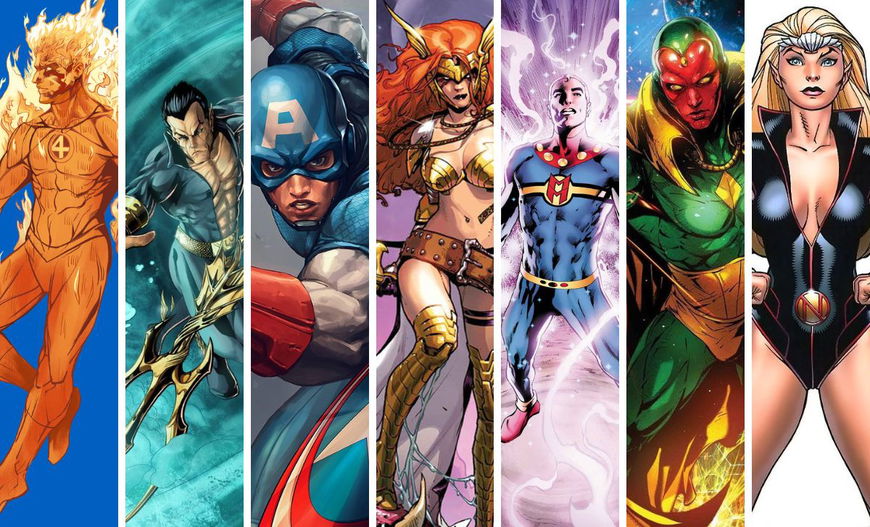
Long before Chris Evans ignited audiences as the wise-cracking Human Torch of the Fantastic Four, there was an entirely different Human Torch—and this one was an android. Created by Timely Comics in the Golden Age, the original Human Torch was an artificial being who embodied the destructive potential of science. His earliest adventures vacillated between portrayals of him as a dangerous monster and a heroic savior, but his heroic nature solidified when he joined forces with Namor and Captain America to form The Invaders, Timely’s supergroup dedicated to fighting Nazis during World War II.

The android’s name and power set were eventually revived for Johnny Storm of the Fantastic Four, making the Human Torch one of Marvel’s most successful character reboots. However, the original torch has never been forgotten. He has appeared in modern Marvel continuity as a revived killer android, a buddy of Iron Fist and Luke Cage, and even as an occasional Avenger. The character represents an important bridge between Marvel’s Golden Age and its Silver Age renaissance.
Namor the Sub-Mariner
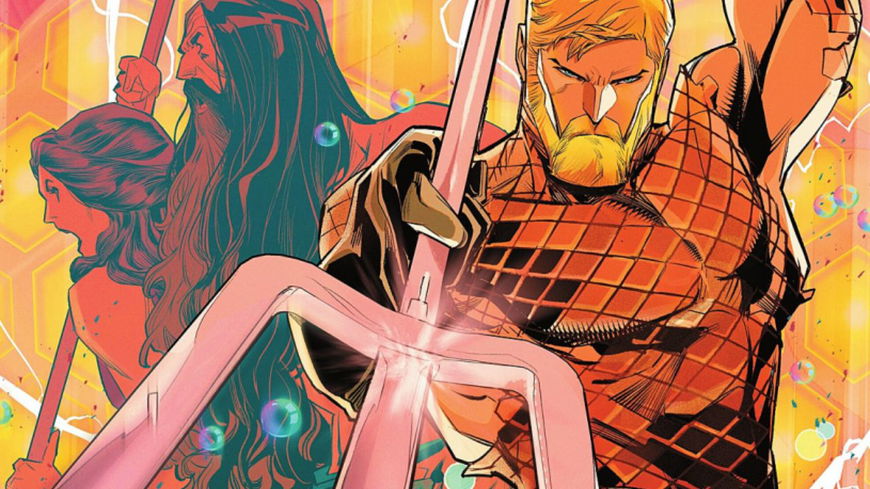
If any character embodies Timely Comics’ early success, it’s Namor the Sub-Mariner. Created by writer-artist Bill Everett and first appearing in Marvel Comics #1 in October 1939, Namor was one of Timely’s “big three” heroes alongside Captain America and the Human Torch. His debut was so successful that the inaugural issue, which also featured Ka-Zar and the Angel, sold approximately 900,000 copies—an extraordinary number for the nascent comic book industry.

Namor’s character was revolutionary for its time. He was introduced as a straight-up nemesis to America, infamously attempting to destroy Manhattan with a tidal wave. His mercurial personality—switching between antagonist and ally—established a template for the anti-hero that would become central to Marvel’s Silver Age philosophy decades later. Like many early comics characters, World War II provided Namor with a purpose. He joined Captain America and the Human Torch in fighting Nazis as part of The Invaders, and by the end of the war, his hero status had solidified.
After a brief revival at Atlas Comics in the 1950s, Namor experienced a genuine renaissance when he appeared in The Fantastic Four during Marvel’s Silver Age. His return positioned him perfectly for the modern era—a powerful, regal monarch conflicted about his place in a world dominated by surface dwellers. To this day, Namor remains a cornerstone of the Marvel Universe, regularly appearing with the X-Men, the Avengers, and the Fantastic Four. His tendency to flirt with the Invisible Woman across the decades has become one of Marvel’s running jokes.
Captain America
While Captain America has become synonymous with Marvel and the Marvel Cinematic Universe, his origins predate the modern Marvel empire by two decades. Created by the legendary team of Joe Simon and Jack Kirby, Captain America debuted in Captain America Comics #1 in March 1941 under Timely Comics. Like his compatriots, Cap was created for the Golden Age of comics and experienced a publication history that mirrored the entire Timely-Atlas-Marvel transformation.

Captain America’s debut was immediately successful, with the comic selling nearly one million copies—a remarkable achievement that established the Star-Spangled Avenger as one of Timely’s flagship characters. His patriotic design and World War II combat focus made him perfect for the era’s sensibilities. Unlike the other Timely heroes who experienced publication gaps during the superhero downturn, Captain America has maintained a more consistent presence in Marvel’s publishing history, particularly after his revival in the Silver Age.
Characters Acquired Through Litigation and Legal Battles
While Timely’s original heroes form Marvel’s backbone, the company has also acquired characters through more complex means, often involving litigation and settlement agreements. These acquisitions reveal the messy, litigious reality of comic book publishing.
Angela: A Neil Gaiman Victory
Angela represents one of the most interesting acquisitions in Marvel’s history because her journey involves a legal battle between two industry titans: Todd McFarlane and Neil Gaiman. Unlike the Timely Comics characters, Angela originated at Image Comics, making her appearance in Marvel Comics a genuine acquisition from another publisher.

Angela first appeared in a Spawn comic co-written by the legendary Neil Gaiman. When McFarlane founded Image Comics with several other artists, there was an agreement that Gaiman would retain rights to the characters he created for the series. However, McFarlane later claimed he had made no legal promise to return Angela and other characters, compounding the offense by refusing to pay Gaiman for reprints of his work.
Gaiman took McFarlane to court, secured a settlement, and when the dust settled, both men owned the rights to Angela. Ten years later, they buried the hatchet—McFarlane fully returned Angela’s rights to Gaiman. One year later, Marvel brought Gaiman in as a writer and introduced Angela into Marvel canon. The character has since had numerous wacky adventures with the Guardians of the Galaxy before discovering she’s the long-lost sister of Thor and Loki, making her a legitimate member of Marvel’s mythological pantheon.
Miracleman/Marvelman: A Tangled Rights History
Miracleman (formerly Marvelman) has one of the most convoluted publication histories of any character in comics. The character was originally created for Fawcett Comics under the name Captain Marvel, but when Fawcett faced a lawsuit from DC over rights to the name, the publisher ceased publication.
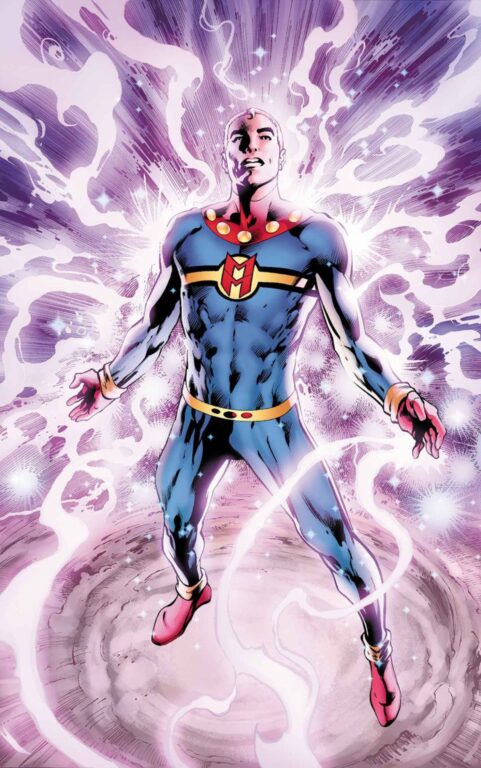
The creator, undeterred by this legal setback, convinced British comic packager Mick Anglo to change the character’s name to Marvelman and continue the series in the UK in black-and-white format. The character remained popular in Britain for years, but eventually faded from publication. However, legendary writer Alan Moore resurrected Miracleman in the comic Warrior, bringing the character back for a new audience with sophisticated, darker storytelling.
The character’s ownership became tangled when reprints changed his name to “Miracleman,” and the publishing rights shifted to Eclipse Comics, which was subsequently bought by Todd McFarlane. McFarlane’s acquisition sparked another legal dispute with Neil Gaiman, who had written iconic Miracleman stories for Eclipse and wanted to finish his story arc. However, this dispute became moot when it was discovered that Mick Anglo still retained the rights.
Finally, Marvel purchased the rights from Anglo, and Gaiman was able to complete his ambitious story arc, bringing Miracleman fully into Marvel canon. The character’s journey—from Fawcett to British comics to Image to Eclipse to Marvel—demonstrates how complex comic book character ownership can become across decades.
Golden Age Heroines: Pioneering Female Characters
Black Widow: From Satan’s Servant to Spy
The Black Widow of modern Marvel lore is the Russian spy and Avenger made famous by Scarlet Johansson in the MCU. However, the name “Black Widow” has a much longer history in comics that predates this iconic espionage expert by decades.

Timely Comics created the first Black Widow back in 1940, and she was a radically different character from the superhero we know today. Rather than a spy, the original Black Widow was a black-clad servant of Satan whose entire purpose was killing bad guys so she could deliver their souls to the devil. This dark, occult-themed premise seems bizarre by modern superhero standards, but it reflected the varied content that Golden Age publishers experimented with before superhero comics dominated the industry.
When Marvel Comics brought the character back in modern flashback stories and featured her in The Twelve—a series focusing on vintage heroes cryogenically frozen by Nazis and thawed in the present day—the character’s infernal origins were acknowledged but largely abandoned in favor of her current espionage-focused identity. The Black Widow’s transformation from demonic servant to patriotic spy illustrates how dramatically characters can be reinterpreted across different eras.
Miss America: An Early Champion of Diversity
Long before Marvel faced criticism for its lack of diverse female characters, Timely Comics debuted Miss America in 1943—a character who was genuinely ahead of her time. Miss America possessed extraordinary abilities: flight and super strength, granted through a special machine accident, making her one of Timely’s few prominent female heroes.
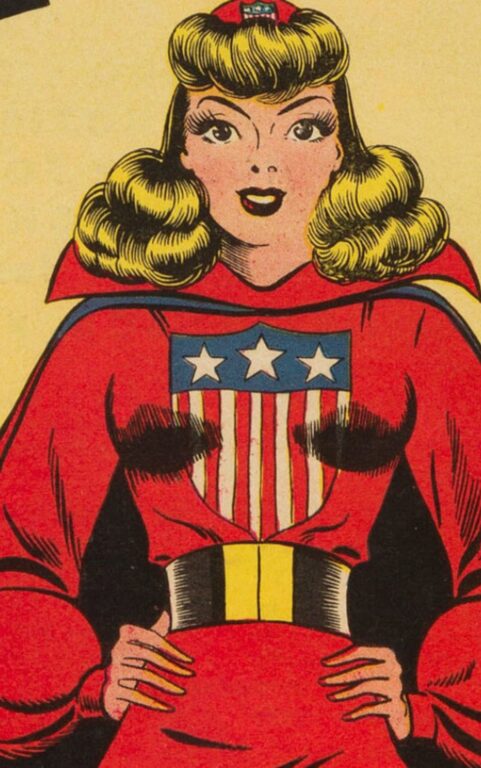
Miss America experienced adventures alongside Captain America, the Human Torch, Namor, and Toro, proving that female heroes could hold their own in action-packed superhero narratives. However, her modern legacy has become complicated. At various points, she was alleged to be the mother of Quicksilver and Scarlet Witch (though this was later retconned), appeared as a ghost impostor in hell, and even manifested as a killer cyborg.
More positively, a modern character adopting the Miss America name is a Latin-American lesbian hero who continues the struggle for diversity and visibility that her Golden Age predecessor pioneered. This evolution demonstrates how legacy characters can be revitalized to reflect contemporary values while honoring their historical significance.
The Complex History of Conan the Barbarian
Conan the Barbarian represents a different category of character entirely—one that Marvel never owned but licensed for publication. Created by writer Robert E. Howard in pulp magazines more than 85 years ago, Conan is a barbarian warrior whose stories predate Marvel Comics by decades.
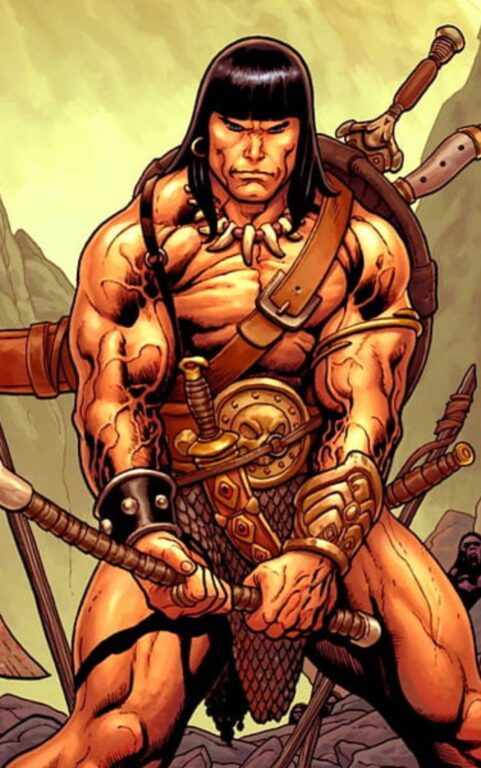
Roy Thomas, Marvel’s associate editor, obtained the license to publish Conan stories in the 1970s after determining that readers were requesting literary properties for adaptation. Thomas negotiated the rights from Robert E. Howard’s estate after discovering that characters like Thongor and other pulp heroes were either too expensive or unavailable. With legendary artist Barry Windsor-Smith, Thomas began adapting Howard’s classic Conan stories, launching a decades-long publication history that would make Conan one of Marvel’s most successful licensed properties.
However, Conan’s relationship with Marvel has been inconsistent. Marvel published extensively from the 1970s through the 1980s, losing the rights in 1992, then reacquiring them in 2018 before losing them again in 2021 to Titan Comics. This cyclical publication history reveals how licensing agreements can shape a character’s presence in the Marvel Universe. Unlike Marvel-created characters, Conan has always been technically external to Marvel’s ownership, though his connection to the Marvel Universe during Marvel’s publication periods was substantial and meaningful.
The Vision: Alien Cop to Robotic Avenger
The Vision exemplifies how Marvel has reused character names and concepts across different eras while creating entirely distinct characters. The first Vision was a Timely Comics creation—an alien from the mysterious planet Smokeworld who functioned as an intergalactic law enforcement officer. This original Vision possessed extraordinary abilities: flight, teleportation (but only through smoke), and the capacity to summon extreme cold.

The alien Vision’s most notable wartime incident involved being tricked into working against the Allies during World War II, a morally complex storyline that added depth to his character. However, when Marvel launched its Silver Age renaissance, the company needed a different Vision for the Avengers. Rather than discarding the name, Marvel created an entirely new Vision—a robotic Avenger designed by Ultron—who would become one of the team’s most beloved members and later develop a complicated romantic relationship with Scarlet Witch.
The original alien Vision eventually returned to modern Marvel continuity in unexpected ways. He was brought back as a sewer-dwelling guardian of a Cosmic Cube, experiencing time-traveling tales and adventures helping the X-Men and the Winter Soldier. The dual existence of two different Visions in Marvel canon demonstrates the publisher’s willingness to honor its history while embracing new character concepts.
Lesser-Known Timely Treasures
Patsy Walker: A Meta-Fiction Pioneer
Patsy Walker has the most “meta” story of any character in Marvel’s history. Modern audiences may know her best as Jessica Jones’s friend “Trish” Walker in the Netflix series, a character with a history of being a redheaded childhood television star. This detail is actually a homage to the real Patsy Walker comics published by Timely Comics.

Patsy’s earliest appearances were in Timely’s “teen humor” comics—a genre that was surprisingly popular during the Golden Age. The comics were published across multiple company iterations: Timely, Atlas, and eventually Marvel, demonstrating remarkable continuity across the company’s transformations. What makes Patsy’s story truly unique is that within Marvel’s narrative universe, she is an actual person, and those early Timely Comics were created by her mother based on real events from Patsy’s life. The meta-fiction aspect is built into canon.
Over decades, Patsy evolved from a teen humor character to a superhero named Hellcat, progressing through vigilantism, marriage to the Son of Satan, suicide, and resurrection as a quirky character who functions as part-sidekick and part-featured player in modern Marvel Comics. Her journey from Golden Age humor comic to contemporary superhero represents one of Marvel’s most unconventional character evolution stories.
Toro: The Young Torch’s Protégé
Toro appeared alongside the original Human Torch with nearly identical powers—a result of artificial cells implanted in his body by his parents, who had helped create the android Human Torch. When his powers manifested after his parents’ death, the Human Torch took him under his wing, and Toro became a star of Timely Comics adventures, particularly during The Invaders’ Nazi-fighting campaigns.

Toro’s history spans multiple company eras. He appeared in Timely Comics, showed up briefly in Atlas Comics’ Young Men, and eventually returned to Marvel canon through flashback stories before being resurrected in the present day. However, Toro’s modern existence has been dramatically complicated. He has experienced vivid suffering—being vivisected by the villain Mad Thinker and watching a revived Human Torch go on multiple killing sprees. His life took another unexpected turn when contact with Terrigen mist revealed that he is actually an Inhuman, adding yet another layer to his complex Marvel identity.
Namora: The Undersea Warrior
Namora represents Marvel’s treatment of female counterparts to popular male heroes. Her name, while appearing to be a lazy derivative of Namor, actually functions as a nickname for her considerably longer name: “Aquaria Nautica Neptunia.” She is Namor’s ass-kicking cousin, and her earliest adventures involved traveling alongside him before terrorists poisoned her, apparently ending her story.
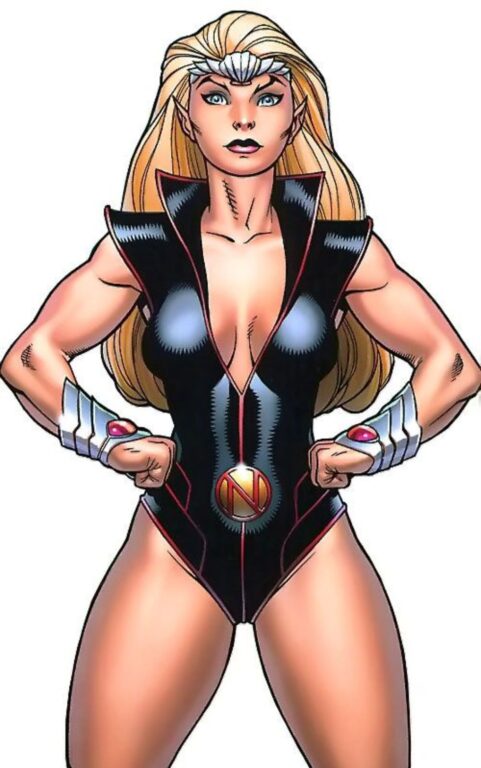
However, Marvel refused to let Namora’s story end permanently. She was succeeded by her cloned “daughter,” Namorita, but years later, the superteam Agents of Atlas discovered Namora’s coffin during an expedition. What appeared to be a dead body was actually a holographic display, and Namora had been perfectly healed and preserved underwater—a resurrection strategy familiar to Jean Grey fans.
Namora subsequently joined the Agents of Atlas and has maintained an active role in Marvel Comics since her revival, contributing to numerous storylines involving the Hulk, Amazons, Norman Osborn, and naturally, her on-and-off relationship with Namor, much to the Invisible Woman’s apparent relief.