

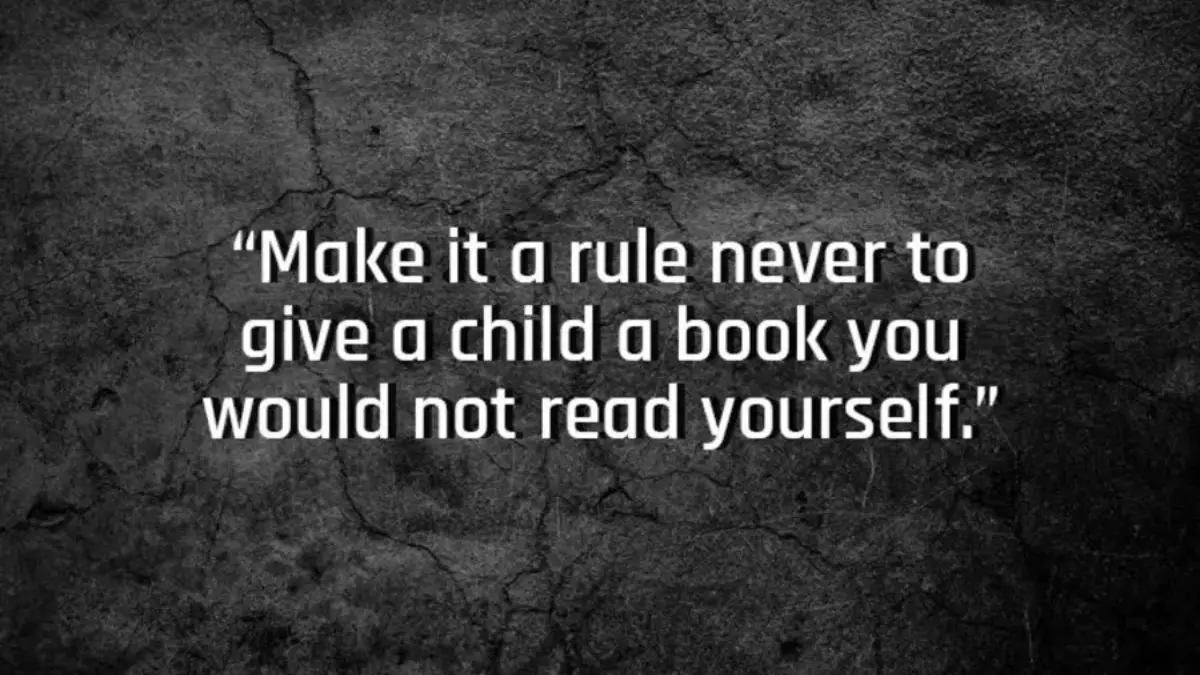
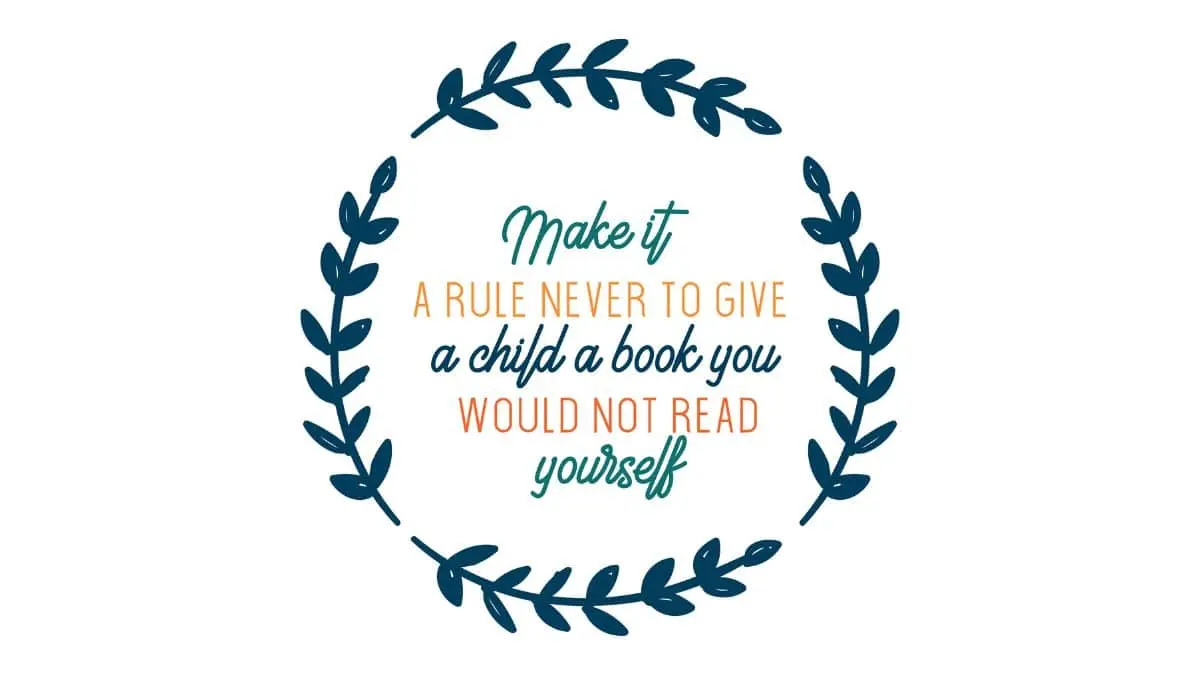
The quote “Make it a rule never to give a child a book you would not read yourself” carries profound wisdom for parents, educators, and anyone involved in the upbringing and education of children. This adage, often attributed to renowned author George Bernard Shaw, highlights the importance of selecting quality literature for young minds. Let’s delve into the deeper meaning behind this quote and explore its implications for fostering a love for reading and learning in children.
The Value of Quality Literature
At its core, this quote emphasizes the significance of providing children with Books that are not only appropriate for their age but also engaging, enriching, and thought-provoking. By ensuring that the books we offer to children are ones we would enjoy ourselves, we uphold a standard of quality that encourages intellectual and emotional growth.
- Engagement and Interest:
- Children are more likely to develop a love for reading if the Books they read are interesting and engaging. When we choose books that captivate our interest as adults, we are more likely to select stories with compelling narratives, well-developed characters, and relatable themes.
- These qualities help children connect with the material, making reading an enjoyable and rewarding experience.
- Intellectual Growth:
- Books that appeal to adults often contain rich language, intricate plots, and complex ideas. Exposing children to such literature can stimulate their cognitive development and enhance their vocabulary, comprehension, and critical thinking skills.
- A well-written book can introduce children to new concepts, cultures, and perspectives, broadening their horizons and fostering a lifelong curiosity about the world.
- Emotional and Moral Development:
- Quality literature often explores deep emotional and ethical themes, allowing children to develop empathy and moral reasoning. Stories that adults find meaningful can offer valuable life lessons and encourage children to reflect on their own values and behaviors.
- By sharing books that resonate with us, we can guide children through the complexities of human experiences, helping them navigate their own emotions and relationships.
Setting a Positive Example
Another hidden meaning of the quote lies in the example it sets for children. When we actively choose to read the same books we recommend to them, we demonstrate the value of reading and learning as lifelong pursuits.
- Modeling Behavior:
- Children often imitate the actions of adults they admire. When they see us reading and enjoying books, they are more likely to view reading as a desirable and enjoyable activity.
- By sharing our reading experiences with them, we create a culture of reading within the family or classroom, fostering a shared love for literature.
- Shared Experiences:
- Reading the same books as children provides opportunities for meaningful discussions and bonding. It allows us to explore themes and ideas together, ask questions, and share interpretations.
- These shared experiences can strengthen relationships and create lasting memories, further enhancing the child’s appreciation for books.
Avoiding Mediocrity
The quote also serves as a caution against offering children mediocre or subpar literature. In an age where the market is flooded with books of varying quality, it is crucial to be discerning in our choices.
- Critical Selection:
- By adhering to the rule of only giving children books we would read ourselves, we ensure that they are exposed to well-crafted stories and valuable content. This prevents the dilution of their literary experience with books that are poorly written or lack substance.
- It encourages us to seek out and celebrate books that have stood the test of time, as well as contemporary works that offer meaningful contributions to children’s literature.
- Respecting Young Minds:
- Children are perceptive and capable of understanding complex ideas when presented in an accessible manner. Offering them high-quality literature shows respect for their intelligence and potential.
- It reinforces the notion that their time and attention are valuable and deserving of the best that literature has to offer.
Conclusion
The quote “Make it a rule never to give a child a book you would not read yourself” carries a profound message about the importance of quality, engagement, and shared experiences in fostering a love for reading. By selecting books that we find meaningful and enjoyable, we set a standard of excellence that benefits children’s intellectual, emotional, and moral development.
Also Read: Sometimes the right path is not the easiest one