
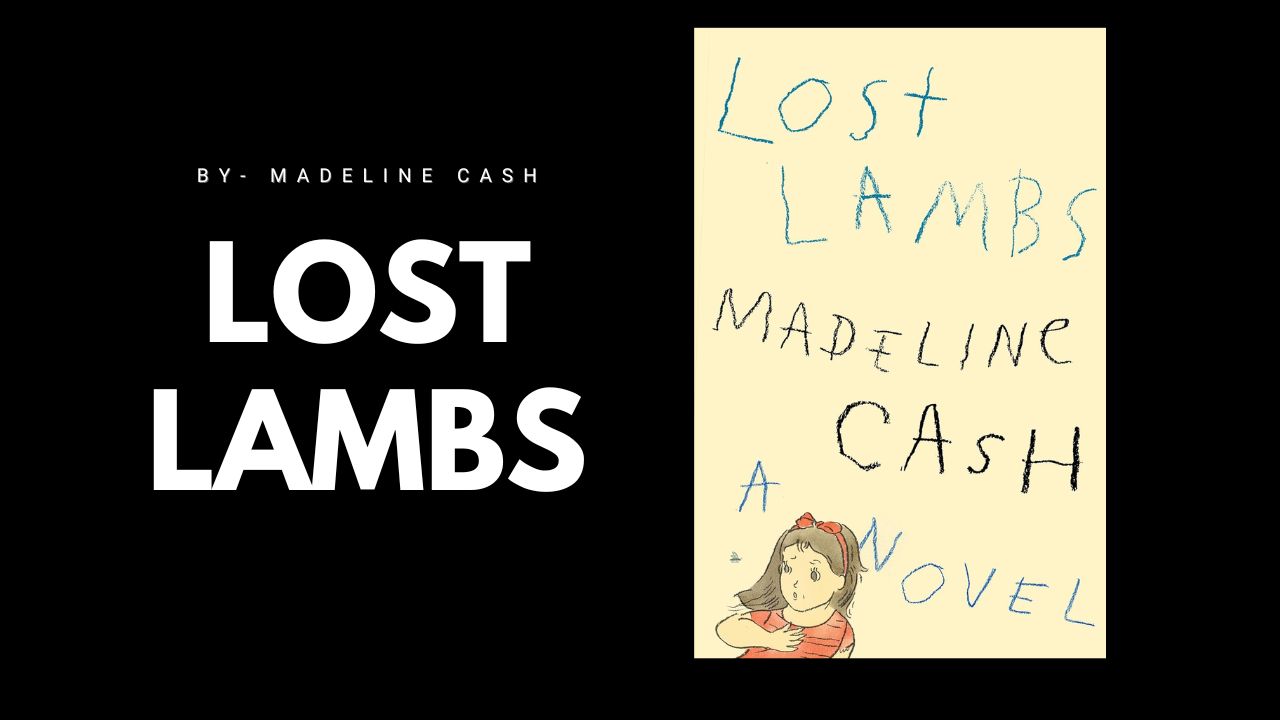
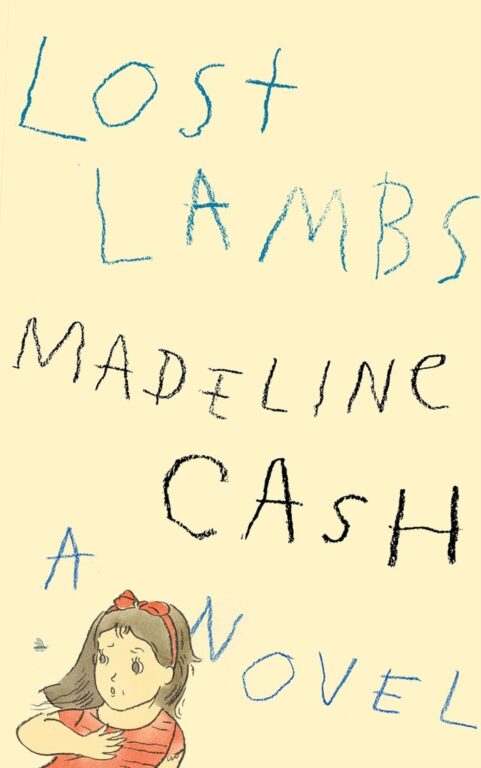
From the outside, Lost Lambs might look like just another family drama — but Madeline Cash turns that expectation on its head. At its core, the novel follows the Flynn family — parents Bud and Catherine and their three daughters — in a small, unnamed coastal town as everything about their lives begins to unravel.
Bud and Catherine’s marriage teeters on collapse after they agree to an “arrangement” that blurs the lines of monogamy. From there, each member of the family drifts into their own form of quiet chaos. The eldest, Abigail, is involved with someone much older and unsettling. The middle child, Louise, sinks into troubling online relationships. The youngest, Harper, becomes convinced that something dark is happening in their town — a belief that eventually pulls the entire family into a bizarre and dangerous mystery involving a powerful, shadowy figure.
What starts as domestic tension slowly spirals into something stranger, funnier, and far more unsettling than expected.
Characters That Feel Real — Even When They’re Weird
One of the novel’s biggest strengths is its characters. Cash doesn’t try to make them likeable all the time — instead, she makes them human.
Bud is lost, searching for meaning through odd support groups and half-baked ideas. Catherine is restless, creative, and quietly dissatisfied, struggling between responsibility and freedom. Their daughters feel sharply distinct from one another, each representing a different response to growing up in a broken household.
Harper, the youngest, stands out most. Her strange theories and sharp observations make her both the comic center and the emotional heart of the story. Through her eyes, the world feels both magical and deeply wrong — and that tension gives the book much of its charm.
Humor, Style, and the Surreal Edge
Lost Lambs is funny, but not in a loud or obvious way. Its humor is strange, dry, and often unsettling. Cash uses absurd situations, bizarre side plots, and exaggerated personalities to reflect the confusion and fear lurking beneath everyday life.
The writing style is playful and unpredictable. At times, the story slips into near-surreal territory, where odd details and strange imagery feel almost symbolic. This creates a tone that’s part comedy, part dream, and part quiet horror — all without ever losing its emotional grounding.
Themes Beneath the Madness
Behind the chaos and satire, Lost Lambs explores deeply relatable themes:
- Family breakdown and reinvention – What happens when traditional roles stop working?
- Growing up too fast – Each child struggles with identity, fear, and longing in different ways.
- Loneliness in the digital age – Online connections replace real ones, often with dangerous consequences.
- Power and control – The mysterious billionaire subplot reflects society’s growing fear of invisible forces shaping daily life.
Cash uses exaggeration and humor to expose very real anxieties about modern life.
Final Take
Lost Lambs is the kind of debut that surprises you. It’s weird, witty, unsettling, and unexpectedly heartfelt. What makes it memorable isn’t just its strange plot or quirky tone — it’s the way it captures how people drift, fracture, and still try to hold on to each other.
For readers who enjoy offbeat family stories with emotional depth and a touch of the surreal, Lost Lambs is a book that stays with you long after the last page.