
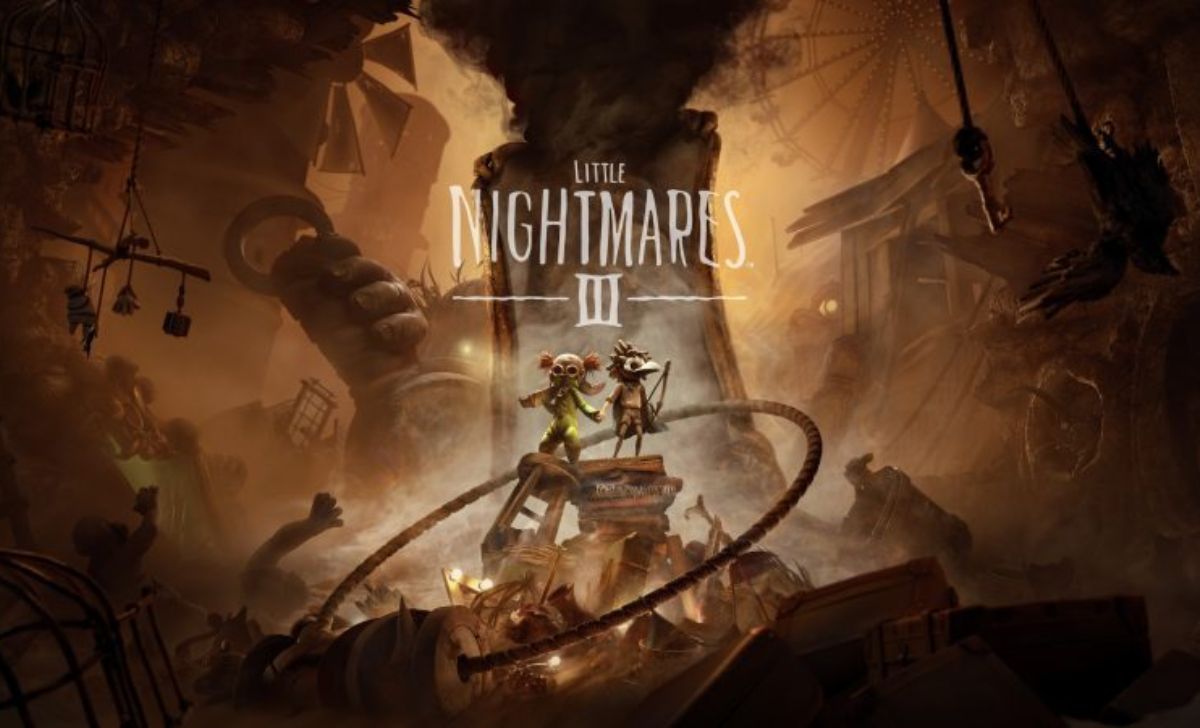
Little Nightmares 3 marks a major shift for the acclaimed horror-puzzle franchise—both in creative leadership and in tone. After two unsettling yet widely praised entries by Tarsier Studios, the series is now in the hands of Supermassive Games, the studio behind Until Dawn. While the game manages to retain the aesthetic of its predecessors, it struggles to capture the distinctive psychological horror and emotional depth that once defined the series.
A Change in Vision
Tarsier Studios, which crafted the eerie brilliance of Little Nightmares (2017) and Little Nightmares 2 (2021), parted ways with the franchise after being acquired by Embracer Group in 2019. The intellectual property remained with Bandai Namco, which later entrusted Little Nightmares 3 to Supermassive Games. This decision immediately sparked both curiosity and concern among fans—how would a studio known for cinematic horror storytelling adapt the series’ silent, dreamlike dread?
The answer, as many players have observed, is that Supermassive delivers a technically sound but emotionally muted continuation. The game looks and plays like Little Nightmares, but the heart of what made it so evocative feels diluted.
Familiar but Flattened Design
Visually, Little Nightmares 3 is stunning. The grotesque environments still feel like a child’s distorted nightmare, and each chapter offers distinct settings—a crumbling desert city, a surveillance-filled facility, and a twisted circus among them. Yet, despite these settings, the terror that once crept beneath the surface is largely absent. The set pieces feel more like standard horror tropes than manifestations of subconscious fear.
Across its roughly 3.5 to 6-hour campaign, players encounter familiar motifs—a giant doll baby, a many-armed spider-like woman, and a creepy old man with a puppet. Instead of expanding on the surrealism that made Little Nightmares so memorable, these antagonists come across as formulaic, turning moments that should terrify into predictable beats of “generic horror.” The result is a game that looks right but feels off—a haunting shell without a soul.
Gameplay and Co-op Structure
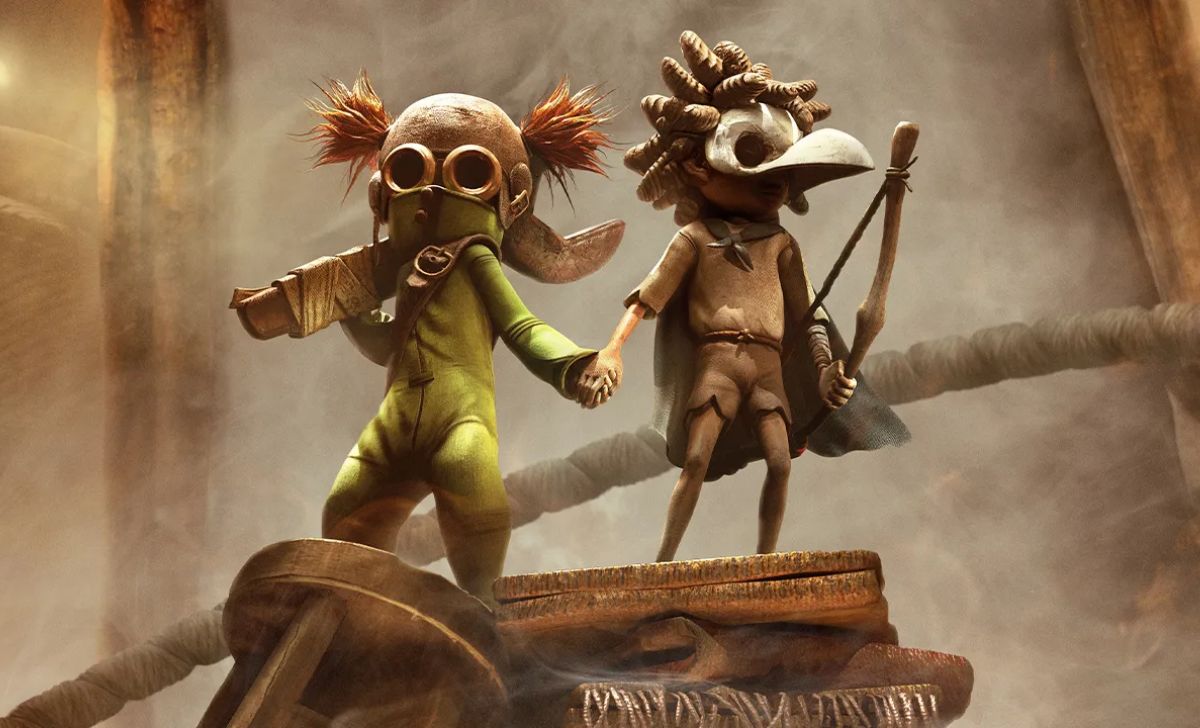
One of the game’s most prominent additions is its cooperative gameplay. Players can now experience Little Nightmares 3 in online co-op as either Low, who wields a bow, or Alone, who carries a wrench. The tools are used to manipulate the environment—cutting ropes, hitting switches, or breaking walls—and occasionally in combat sequences. While this dual-tool system adds some variety, it also undermines one of the series’ most defining traits: vulnerability. The feeling of isolation and helplessness, central to the earlier games, is largely replaced by teamwork-based mechanics.
For those who play solo, the second character becomes an AI companion. Unfortunately, this leads to inconsistent pacing and clunky behavior. The AI can get stuck, forcing reloads, or solve portions of puzzles too easily, minimizing the player’s sense of agency. While co-op play benefits from a convenient Friend Pass system that allows one copy to be shared, the absence of local couch co-op disappoints many fans.
Hollow Tension and Predictable Puzzles
Tension has always been at the heart of Little Nightmares, driven by creative puzzle design and environmental storytelling. In contrast, Little Nightmares 3 often feels like it’s following a script written with efficiency rather than imagination. Many puzzles revolve around repetitive mechanics—climbing obstacles, pushing doors, and solving rudimentary physics challenges. Even the moments designed to evoke dread or awe rarely sustain it for long.
Reviewers have noted that the game’s rhythm stays impressively structured—there is a clear sense of pacing, with highs and lows woven through the chapters—but this craftsmanship never evolves into inspiration. The game feels like it was built by a team carefully reassembling a beloved formula, but without the underlying spark that once gave that formula life.
Visuals and Final Impressions
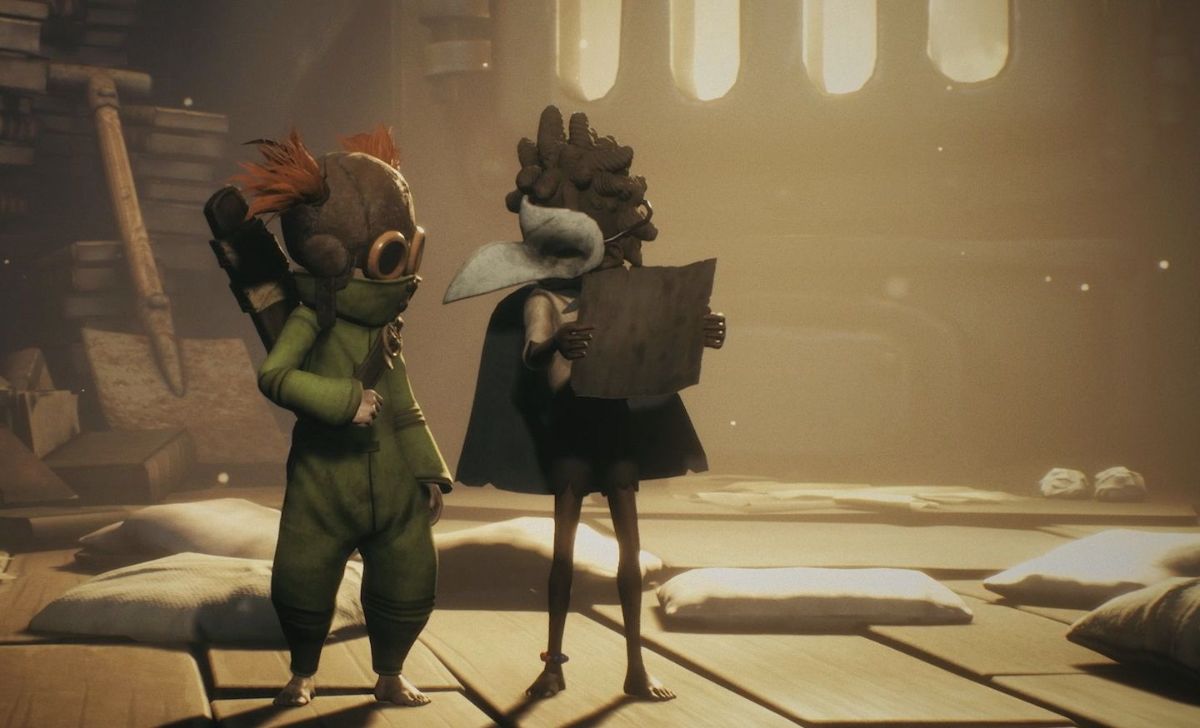
If Little Nightmares 3 succeeds anywhere, it’s in its art direction. The environments remain exquisitely grotesque—decaying architecture, surreal lighting, and unnerving sound design still transport players into a world of childlike terror. One might even call the experience “heartbreakingly competent”—capable of delivering eerie beauty and solid gameplay, but incapable of stirring the same lingering unease or sorrow as its predecessors.
Even with a few standout sequences and a well-executed finale, Little Nightmares 3 ultimately feels like a tribute act—a finely built imitation rather than a reinterpretation. It’s unsettling only in how neatly it imitates the series’ style while missing its emotional mark. Supermassive Games has proven that it can reconstruct the mechanics of Little Nightmares down to the last bolt, but not its haunting soul.
For new players, Little Nightmares 3 offers a visually rich, accessible co-op adventure. For longtime fans, however, it stands as a reminder of how fragile tone and intent can be when translating artistic horror into something replicable. It works. It plays. It entertains. But it never lingers—and that, for a series built on nightmares, may be its most haunting flaw of all.