
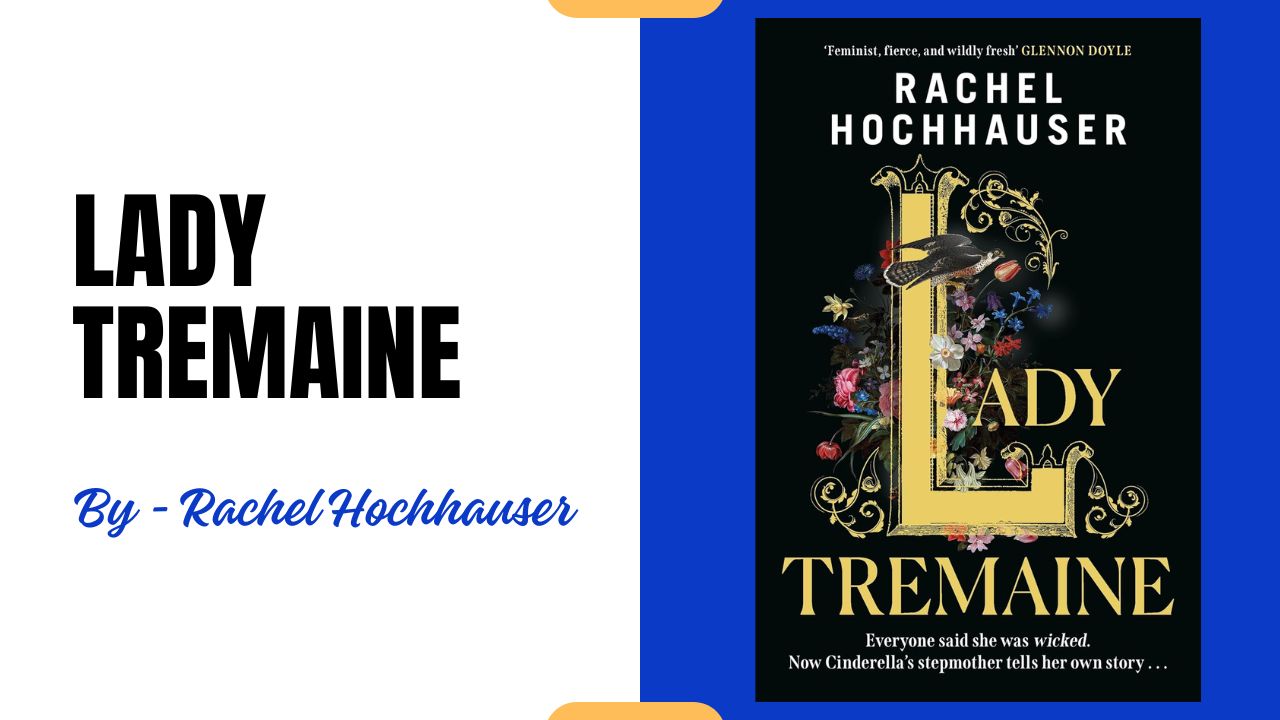
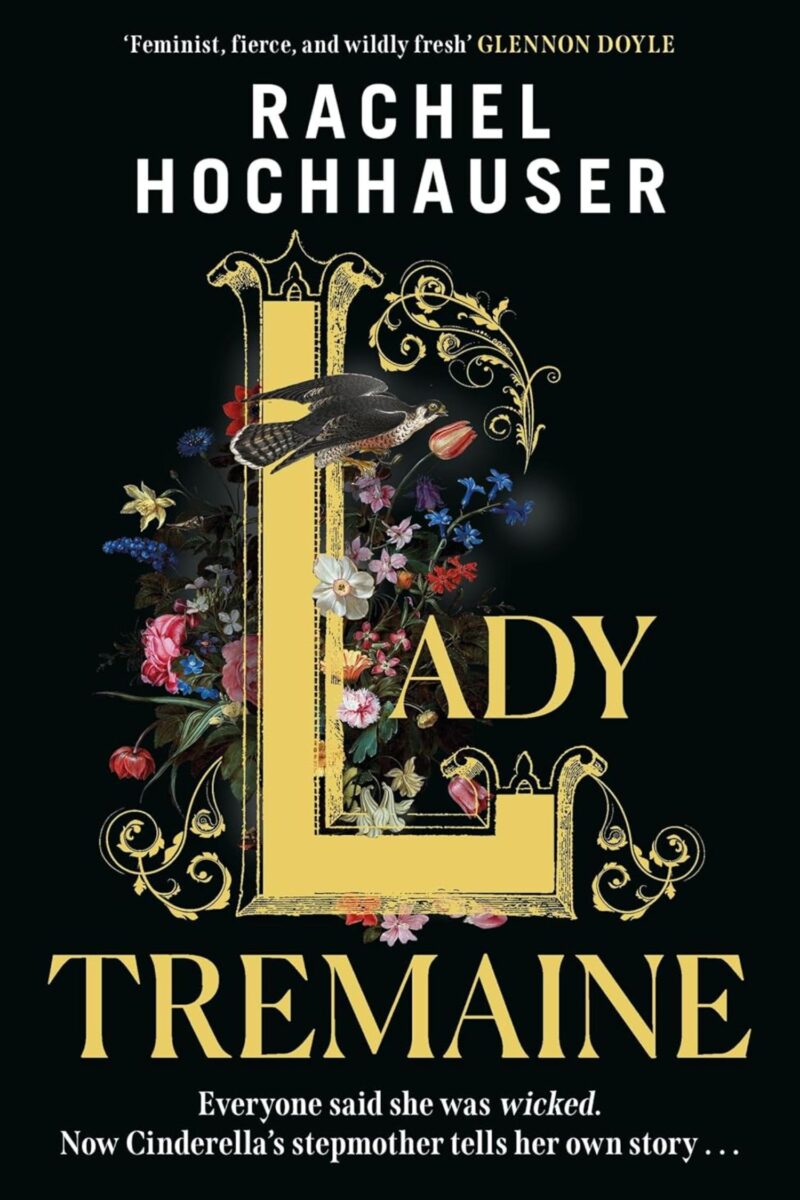
Rachel Hochhauser’s Lady Tremaine offers a striking reinterpretation of one of the most recognizable villains in fairy-tale history. Instead of portraying Cinderella’s stepmother as a one-dimensional antagonist, the novel peels back layers of myth and prejudice to reveal a complicated woman shaped by grief, survival, and fierce maternal love. Published in 2026 and spanning about 352 pages, the book is Hochhauser’s debut novel and immediately stands out as a bold entry in the growing trend of feminist fairy-tale retellings. What readers discover here is not simply another retelling of Cinderella, but a character study that asks an unsettling question: What if the villain of the story was never truly the villain at all?
A Fresh Perspective on the Cinderella Myth
At the heart of the novel is Lady Etheldreda Verity Isolde Tremaine, better known as Lady Tremaine. Traditionally depicted as the cruel stepmother who torments Cinderella, she is reimagined here as a twice-widowed woman struggling to hold together a crumbling household and secure futures for her daughters.
After the death of her husband, Etheldreda finds herself responsible for her two daughters and her stepdaughter, Elin (the novel’s version of Cinderella). The family estate looks grand on the outside but is falling apart financially and socially. With limited options in a rigid, male-dominated society, Lady Tremaine’s only realistic path to security lies in arranging advantageous marriages for her daughters.
Everything changes when the royal court announces a ball where the prince will choose a bride. The event represents a rare chance to escape poverty and social ruin. But the opportunity does not unfold as Lady Tremaine expects—her stepdaughter becomes the center of attention instead. As a royal engagement begins to take shape, Etheldreda uncovers troubling secrets about the royal family that force her to confront an impossible choice between security and morality.
This premise flips the familiar fairy tale inside out. Instead of magic, fairy godmothers, and glass slippers, the narrative focuses on the harsh realities of survival in a society that offers women few choices.
A Complex and Humanized “Villain”
One of the novel’s greatest strengths lies in its portrayal of Lady Tremaine herself. Rather than a caricature of cruelty, she emerges as a deeply human figure driven by desperation and love.
Hochhauser frames many of Lady Tremaine’s controversial actions as the result of impossible circumstances. In a world where social standing and marriage dictate survival, her ambition becomes less villainy and more strategy. The novel repeatedly highlights how women in such societies must navigate rigid expectations, economic dependency, and constant judgment.
This perspective reframes the classic fairy tale narrative. Instead of an evil stepmother tormenting an innocent girl, readers encounter a mother who is trying—sometimes ruthlessly—to secure a future for her children.
The result is a character readers may not always agree with, but one they can understand.
Themes of Motherhood, Survival, and Power
Beyond its retelling of Cinderella, Lady Tremaine explores several powerful themes.
Motherhood as Motivation
The emotional core of the story is maternal love. Lady Tremaine’s decisions, however morally ambiguous, stem from her determination to protect her daughters. The novel portrays motherhood not as gentle self-sacrifice but as something fierce, messy, and occasionally dangerous.
This emphasis on maternal instinct adds emotional weight to the story and reframes many of the character’s actions.
The Harsh Reality of Women’s Lives
The book also exposes the limited options available to women in historical societies. Marriage becomes less about romance and more about survival. Hochhauser uses the narrative to highlight how women were often forced to make difficult compromises simply to remain secure.
Through Lady Tremaine’s perspective, the novel critiques the romanticized view of fairy tales and instead presents a darker, more realistic world.
Reputation and Narrative Power
Perhaps the most intriguing theme is the idea that history is written by those who win. In the traditional Cinderella story, the stepmother becomes the villain because that is how the story is told. Hochhauser challenges this assumption by allowing Lady Tremaine to narrate her own side.
The result feels like a literary correction—a reminder that every legend has more than one perspective.
Writing Style and Atmosphere
Hochhauser’s prose has been widely praised for its elegance and emotional depth. The language carries a lyrical quality that suits the gothic atmosphere of the novel. Critics have described the book as combining the emotional richness of mythological retellings with the social intrigue of historical drama.
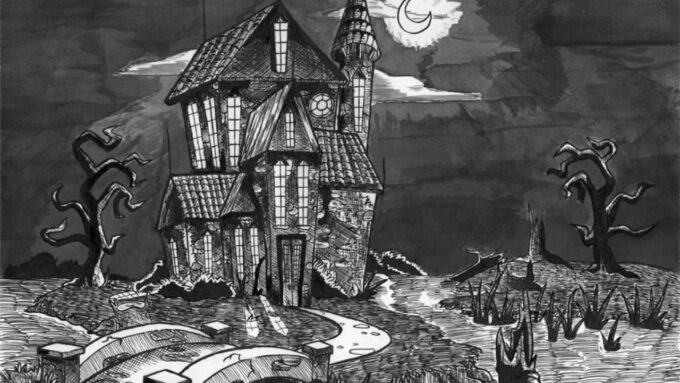
The world of the story feels vivid and grounded. Instead of magical spectacle, the narrative relies on atmosphere: crumbling manor houses, tense social gatherings, and the constant pressure of maintaining appearances.
This approach transforms the fairy-tale setting into something far more realistic and emotionally immersive.
Character Relationships and Dynamics
Another highlight of the novel is its complex relationships.
Lady Tremaine and Her Daughters
Her daughters, Rosamund and Mathilde, represent the future she is desperately trying to secure. Their lives are shaped by their mother’s determination, but they also reveal the emotional cost of her ambition.
Lady Tremaine and Elin (Cinderella)
The relationship between Lady Tremaine and her stepdaughter Elin is perhaps the most intriguing dynamic in the book. Instead of a straightforward conflict, the tension is layered with misunderstanding, resentment, and societal pressure.
Readers may find themselves reassessing their sympathies throughout the story.
Strengths of the Novel
Several elements make Lady Tremaine stand out among fairy-tale retellings:
- A bold perspective shift: By centering the supposed villain, the story reinvents a familiar narrative.
- Emotionally complex characters: No character is purely good or evil.
- Thought-provoking themes: The book explores motherhood, gender roles, and the nature of storytelling itself.
- Atmospheric writing: The gothic tone enhances the emotional depth of the story.
The novel succeeds largely because it refuses to simplify its characters or its message.
Potential Weaknesses
While the book is widely praised, some readers may find certain aspects challenging:
- Slower pacing: The story focuses heavily on character development and internal conflict rather than action.
- Darker tone: Readers expecting a magical fairy-tale experience may be surprised by the novel’s realism and emotional heaviness.
However, these elements are also part of what makes the book distinctive.
Final Verdict
Lady Tremaine transforms one of literature’s most infamous villains into a compelling and deeply human protagonist. Rachel Hochhauser’s debut novel does more than retell Cinderella—it interrogates the assumptions behind the fairy tale itself.
By shifting the narrative lens, the book challenges readers to reconsider the stories they grew up with. Was Lady Tremaine truly wicked, or simply a woman fighting to survive in a world that left her with few choices?
In the end, the novel suggests that villains are often created not by evil intentions but by the stories others choose to tell about them.