
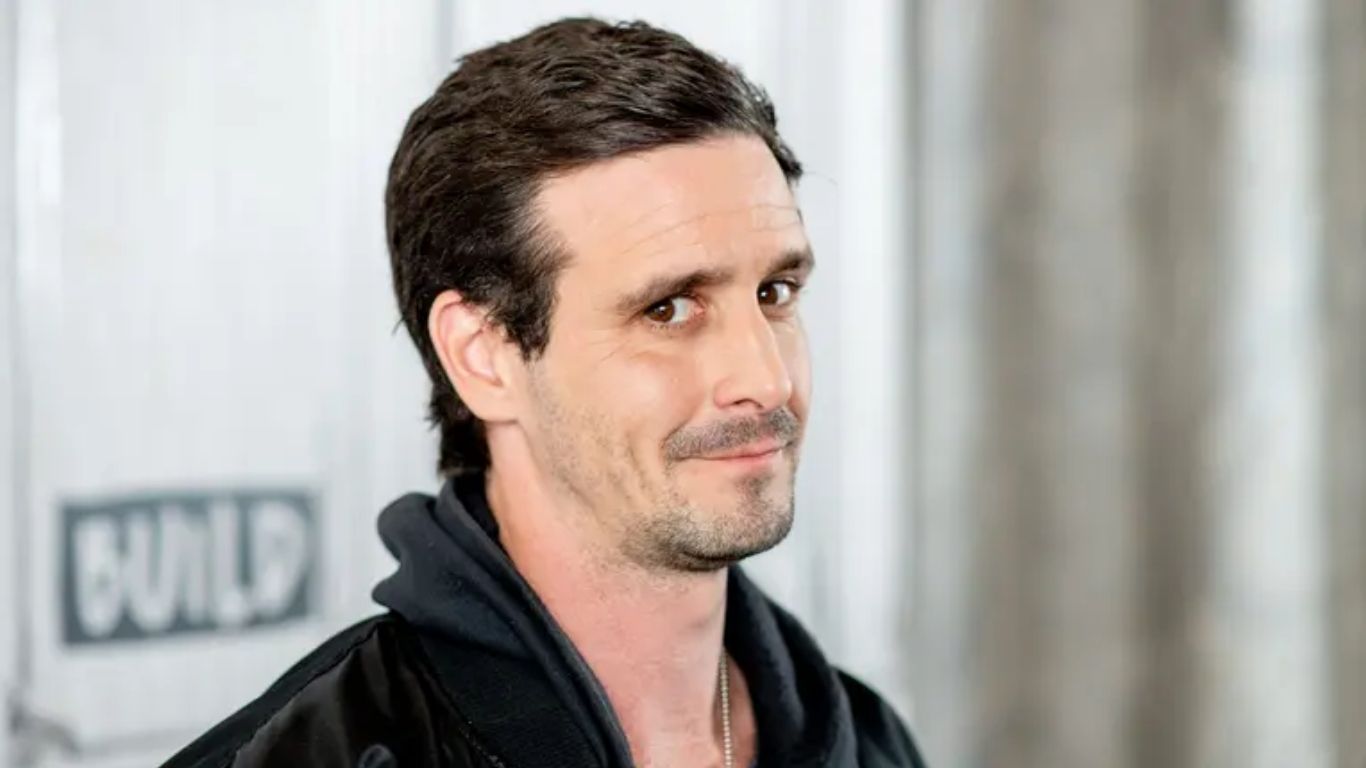
James Ransone, the versatile character actor known for embodying morally complex and often unlikable figures across television and film, has passed away at age 46. The Los Angeles County Medical Examiner confirmed that James Ransone died on Friday, December 19, 2025, by suicide.
Career Highlights and Breakthrough Moments
Born in Baltimore in 1979, Ransone developed his craft at the prestigious Carver Center for Arts and Technology in Towson, Maryland, where he studied from 1993 to 1997. His professional breakthrough came in 2002 with the teen drama “Ken Park,” which opened doors to more substantial roles in the years that followed.
However, it was his casting as Chester “Ziggy” Sobotka in the second season of HBO’s acclaimed Baltimore crime series “The Wire” that brought him widespread recognition. The character—a dock worker-turned-petty criminal—became iconic in the show’s legacy, establishing Ransone as a capable actor capable of portraying troubled, sympathetic characters with nuance and authenticity.
Following his success on “The Wire,” Ransone continued working with the show’s creator David Simon on another HBO project, “Generation Kill.” In this seven-episode miniseries, Ransone played the real-life U.S. Marine Corporal Josh Ray Person, appearing opposite Alexander Skarsgård. The role further demonstrated his range and ability to inhabit diverse characters across different storytelling formats.
Expanding into Film and Television
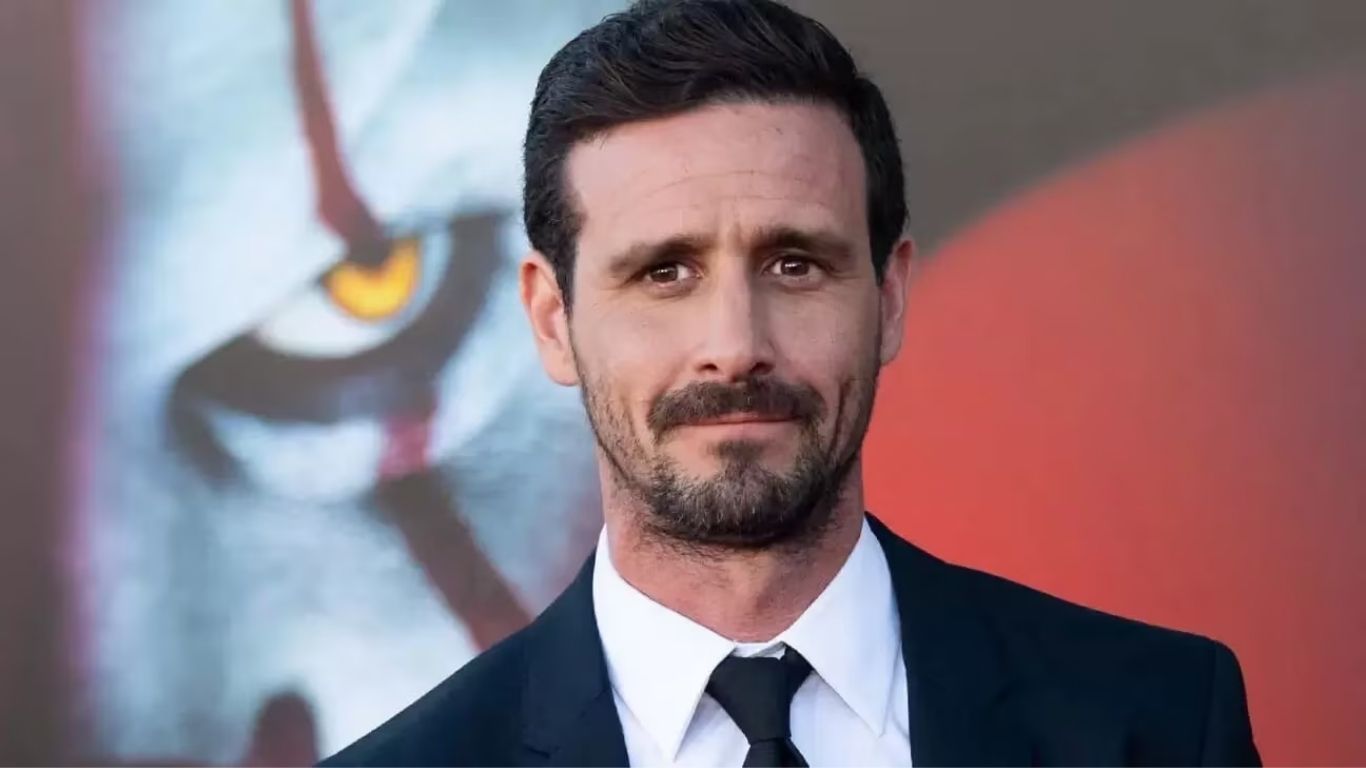
Beyond these flagship HBO projects, Ransone built an impressive resume across both mediums. His film appearances included significant roles in the horror franchise “It: Chapter Two,” where he portrayed Eddie Kaspbrak alongside an ensemble cast that featured Bill Hader, Jessica Chastain, James McAvoy, and Bill Skarsgård. He reprised connections to the “It” universe in “Black Phone” and its sequel “Black Phone 2.”
Ransone’s television work extended beyond prestige dramas. He appeared in the detective series “Bosch” and the anthology mystery show “Poker Face,” demonstrating his ability to work across various genres and production scales.
The Weight of Difficult Characters
In a 2016 interview with Interview magazine, Ransone reflected candidly on the emotional toll of his craft. He described his approach to acting as “wrestling with the catharsis of acting,” explaining that many of his roles required him to inhabit characters who were fundamentally flawed or unlikable. “As a result of that, I don’t always feel good,” he acknowledged, offering a rare glimpse into the psychological burden his chosen profession sometimes carried.
Personal Struggles and Public Disclosure
The complexities Ransone faced extended beyond his on-screen personas. In 2021, he publicly disclosed that he had been sexually abused by a Maryland public school educator decades earlier. Through an Instagram post, Ransone revealed that this childhood trauma had contributed to subsequent struggles with alcohol and heroin addiction—battles that shaped his personal journey.
When Ransone reported the abuse in 2020, authorities ultimately declined to pursue criminal charges, a decision he found troubling given the documented harm he had experienced.
Legacy and Tributes
News of Ransone’s passing generated an immediate and heartfelt response from the entertainment community. Fellow actor François Arnaud, known for his work in HBO Max’s “Heated Rivalry,” posted a tribute on Instagram: “RIP James Ransone. Unique actor that I was continuously impressed and inspired by.”
Fans and industry colleagues took to social media to celebrate Ransone’s contributions to the projects he had been part of, particularly highlighting his standout performance in “It: Chapter Two,” where he held his own against an impressive cast of established actors.
Reflection
James Ransone’s career represented a particular kind of acting excellence—the ability to bring humanity and depth to characters who were difficult to like, making audiences understand their motivations and vulnerabilities. His willingness to take on morally gray roles and his commitment to authenticity left an indelible mark on the productions he touched. His passing at 46 marks the loss of an artist whose contributions to quality television and film will endure through his work.