
The next chapter of DC Studios stands at a crossroads. As rumors swirl about Warner Bros.’ potential buyout by Netflix, the entire future of the DC Universe — including Superman, Supergirl, and The Batman Part II — hangs in precarious balance. While James Gunn and Peter Safran remain at the creative helm, even they admit that the path forward is far from stable.
The current corporate turbulence has placed DC Studios in what many describe as a “moving purgatory.” On one hand, the leadership duo secured contract extensions and continue developing a packed slate of projects such as Supergirl: Woman of Tomorrow, Lanterns for HBO Max, and Gunn’s own Superman: Man of Tomorrow. On the other, the looming buyout and competing takeover attempts — including a rumored hostile bid by Paramount — have cast a shadow over the entire operation.
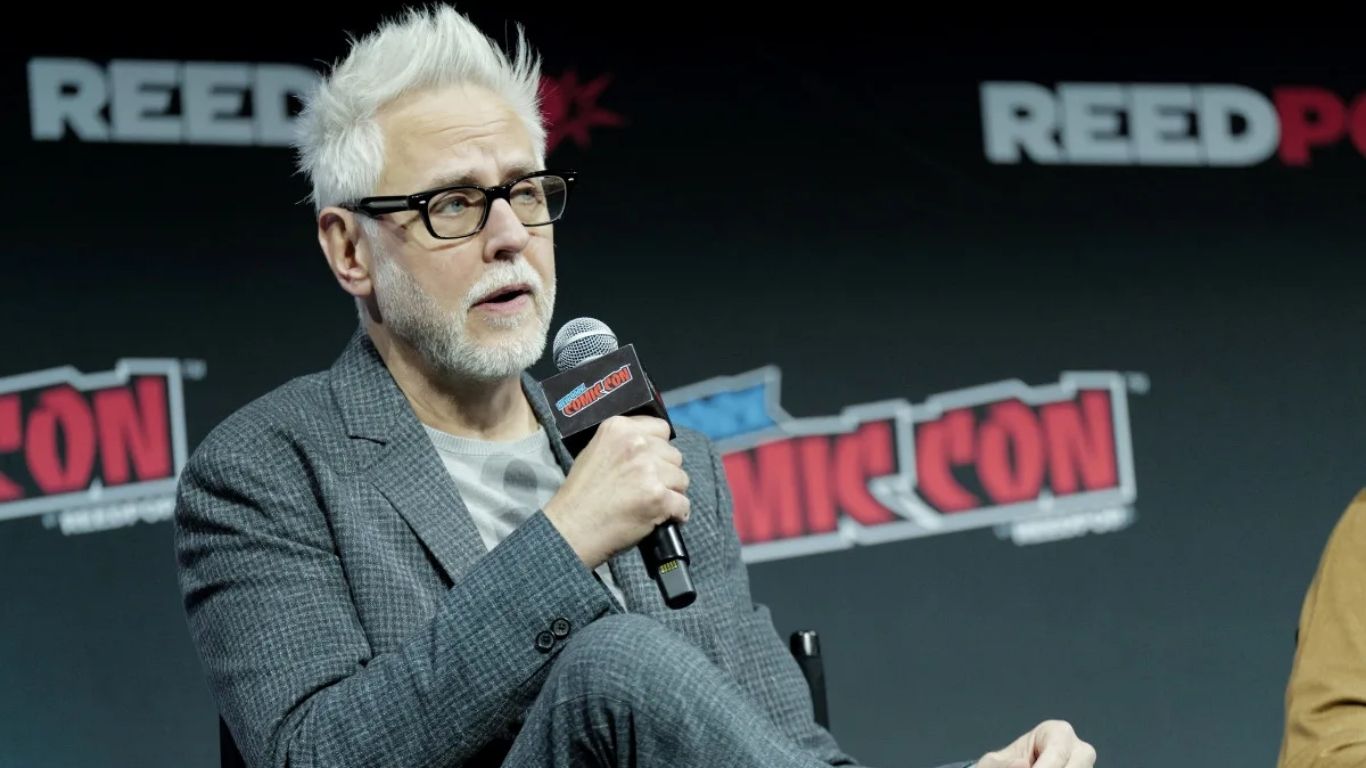
Gunn’s own statements reflect the uncertainty. In a recent interview, he confessed, “Do I have hopes? No, I really don’t because everything’s unknown.” While he later added that he was “excited” and “hoping for the best,” his remarks highlighted just how unpredictable DC’s situation has become. The creative team’s careful optimism seems to mask genuine concern about how corporate shifts might reshape the studio’s future.
Despite the turbulence, DC Studios has an ambitious lineup extending beyond 2026. Supergirl: Woman of Tomorrow is set to release in just a few months, followed by Lanterns and the R-rated Clayface film. Looking ahead to 2027, fans can expect The Batman Part II (under the Elseworlds banner) and the highly anticipated Superman: Man of Tomorrow. Gunn is also actively developing Batman: Knightfall and casting key roles like The Flash and Wonder Woman, aiming to solidify the next generation of DC heroes.
Yet, even as Gunn drives the creative direction, his dual role as writer-director and studio head raises questions about sustainability. In a candid conversation with Variety, Gunn revealed he initially declined the job, explaining, “I didn’t want to do what Kevin Feige does. But once Peter and I realized we’d be doing it together, it became exciting. I still don’t know if it’s sustainable long-term. It’s a lot. There just aren’t enough hours in the day.”

The concern is understandable. Unlike Marvel’s Kevin Feige — who serves purely as a producer and coordinator — Gunn is deeply hands-on, directly crafting films while overseeing the entire interconnected DCU across film, television, and animation. This workload, while ensuring creative consistency, also risks burnout. The approach prioritizes strong artistic identity early on but may demand a leadership transition sooner than intended.
Meanwhile, Safran and Gunn are reportedly preparing for the future, including plans for continuity beyond Gunn’s eventual exit. Still, if the director steps back earlier than planned, the DCU could face another creative inflection point, needing leadership capable of balancing vision and endurance.
Ultimately, DC Studios’ model stands in stark contrast to Marvel’s. While Feige’s method ensures long-term stability through delegation, Gunn’s strategy thrives on creative intensity and direct authorship. Each approach has its advantages — one built for marathon endurance, the other for a powerful sprint toward artistic reinvention.
For now, DC fans can only wait and watch as James Gunn’s cinematic universe takes shape under pressure. Amid buyout talks, leadership strains, and massive expectations, one thing remains clear: the next few years will define whether DC Studios can truly deliver on its ambitious promise or become another casualty of corporate chaos.